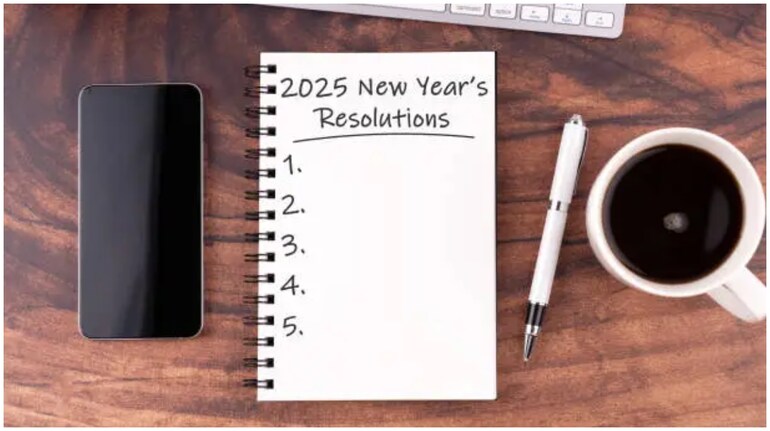
The age-old English proverb "Health is wealth" resonates strongly as people set goals for the new year. Common resolutions often include losing weight, joining gyms, exercising regularly, and eating healthily. However, the crucial aspect of mental health is frequently overlooked. Mental well-being plays a pivotal role in regulating the body’s functions; when the mind is healthy, the body thrives. Conversely, stress can negatively impact vital organs, including the heart, stomach, and kidneys.
A 2025 Statista survey on New Year’s resolutions found financial goals, particularly saving money and accumulating wealth, were the most common. This was closely followed by resolutions focused on physical well-being, such as losing weight, adopting healthier diets, and exercising. Despite these intentions, a 2023 Forbes Health survey revealed that most resolutions lose momentum within four months.
Psychiatrist Dr Priyanka Srivastava suggested that social media has amplified the pressure to maintain an image of wealth and physical beauty, contributing to stress and negatively impacting mental health. Stress, a pervasive element of modern life, stems from factors such as demanding jobs, financial worries, and strained relationships.
While weight loss often dominates New Year’s resolutions, managing stress is crucial for long-term health and fitness. Elevated stress levels trigger the production of cortisol, a hormone that impedes muscle relaxation and makes exercise less effective. Dr Srivastava explained that reducing stress helps regulate cortisol, paving the way for sustainable weight management.
Depression, another key mental health concern, often leads to unhealthy eating habits, such as irregular meal timings, consuming junk food, and overeating. These behaviours exacerbate both physical and mental health issues. Improving mental well-being can encourage healthier lifestyle choices, including mindful eating, which helps alleviate symptoms of depression.
The tradition of making promises at the start of a new year dates back 5,000 years to the Babylonian civilisation in Mesopotamia. During the new year, people promised their king to repay debts on time and improve crop yields. Over the centuries, resolutions have evolved from commitments to self-improvement to a preoccupation with self-image and material achievements.
“Today, people prioritise outward appearances over genuine personal growth,” observed Dr Srivastava. Resolutions such as losing weight to fit into old clothes or aspiring to social media fame reflect this shift. She added, "The ‘I’ has become so dominant that people have forgotten the word ‘we’. The focus is on self-gratification and material possessions."
Making resolutions is easy, but fulfilling them requires addressing the negativity that often surrounds modern life. For improved mental health in the new year, Dr Srivastava advised prioritising self-love and fostering positive habits.
She suggested simple changes, such as avoiding mobile phones first thing in the morning and keeping devices away during meals and bedtime. Rekindling friendships by scheduling weekly meetups, dedicating time to hobbies, and engaging in gadget-free family activities were also recommended.
Dr Srivastava highlighted the importance of strengthening familial bonds through activities like playing with children, cycling, or sharing meals. Meditation, especially before bedtime, was identified as a valuable tool for reducing stress and improving mental health.
Spending quality time with loved ones not only strengthens relationships but also provides emotional support and alleviates stress. These practices, she emphasised, are essential for fostering a healthier mind and body in the new year.
Discover the latest Business News, Sensex, and Nifty updates. Obtain Personal Finance insights, tax queries, and expert opinions on Moneycontrol or download the Moneycontrol App to stay updated!
Find the best of Al News in one place, specially curated for you every weekend.
Stay on top of the latest tech trends and biggest startup news.