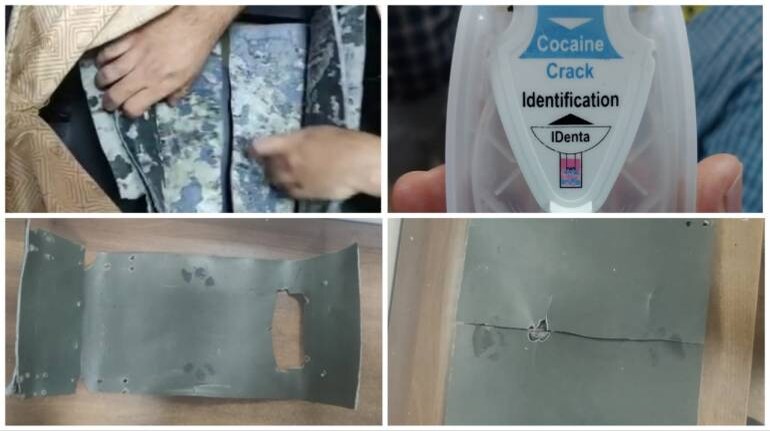
After the first-ever seizure of “Black Cocaine” worth Rs 32 crore at Ahmedabad airport, the spotlight is on the prohibited drug that can avoid detection easily.
Over 3 kgs of the drug was concealed by a Brazilian national at the airport in Gujarat who had mixed it with charcoal and other chemicals, and eluded detection by canines and testing kits.
What is 'black cocaine'?
“Black cocaine” is a modified form of the traditional drug that has been engineered to circumvent conventional screening methods.
This drug has been chemically altered to create a substance with a unique set of properties. Traditional cocaine is a white powder derived from the leaves of the coca plant, whereas black cocaine appears as a black, tar-like substance. The transformation comes after adding various chemicals during the production process.
While the exact composition may vary, some of the common chemicals employed in the production of black cocaine include potassium permanganate, hydrochloric acid, and kerosene. These substances alter the physical properties of the drug, resulting in a darker colour and a stickier consistency.
In order to extract pure cocaine and restore its original white colour, chemists employ solvents like methylene chloride, an organic compound. This solvent serves the purpose of separating the alkaloid base from the toner. An additional step is required to transform this base into powdered cocaine.
How does it evade detection?
“Black Cocaine” worth Rs 32 crore seized at Ahmedabad International AirportRead here: https://t.co/6RVYBA4PAk pic.twitter.com/Oe0U0pVd6J
— PIB India (@PIB_India) June 21, 2023
Black cocaine possesses several unique properties that make it challenging to detect through conventional means.
The dark, tar-like appearance of black cocaine significantly contrasts with the usual white powder form. This stark difference makes it harder to identify during routine inspections or searches.
The chemical modifications applied to black cocaine can also alter its smell. By adding aromatic substances or masking agents, the distinct odour associated with traditional cocaine can be masked or minimized, reducing the likelihood of detection by trained drug-sniffing dogs or odour detection systems.
Read: Man arrested for opening store selling cocaine, heroin and meth
Black cocaine is often packaged within dense materials or concealed within objects that can bypass X-ray scanners.
The chemical alterations made during the production process of black cocaine can also interfere with traditional field testing kits, leading to inconclusive or false-negative results.
Discover the latest Business News, Sensex, and Nifty updates. Obtain Personal Finance insights, tax queries, and expert opinions on Moneycontrol or download the Moneycontrol App to stay updated!

Find the best of Al News in one place, specially curated for you every weekend.
Stay on top of the latest tech trends and biggest startup news.