One quick thing: IIT professor-founded Sedemac Mechatronics plans Rs 800-crore IPO
In today’s newsletter:
- PhonePe prepares for India IPO
- India cracks down on 119 apps, many from China
- Influencers face the heat amid BeerBiceps row
P.S.: One Indian village. Thousands of YouTubers. Do you know about India's YouTube capital? Scroll down for deets!
Was this newsletter forwarded to you? You can sign up for Tech3 here
 Top 3 stories
PhonePe prepares for India IPO

Walmart-owned digital payments app PhonePe is preparing for a stock market listing, following its Noida-based rival, Paytm, to the bourses.
- PhonePe currently dominates the UPI market with a 48% share, significantly outpacing Paytm's 7%
Bumper listing?
The past few years have witnessed a surge in successful IPOs, both from startups and the broader market. PhonePe's last valuation was $12 billion, and the company has since experienced rapid revenue growth and improved profitability.
- While Paytm's IPO valuation reached $20 billion, its stock performance upon listing was disappointing
- To be sure, in FY24, Paytm had almost double the revenue of PhonePe
Many startup unicorns have adopted a more conservative IPO pricing strategy to avoid post-listing setbacks. However, market sentiment has been bearish since last October.
- PhonePe redomiciled from Singapore to India in December 2022
The company said it has established a clear corporate structure with each of its new non-payment businesses as fully-owned subsidiaries.
A sudden change of plans?
PhonePe founder Sameer Nigam previously said the company would only list after clarity on the NPCI's UPI market cap regulation, citing potential impacts on the company's share price.
NPCI’s rule, which caps any single third-party UPI app at 30% market share, directly impacts PhonePe, which currently facilitates around 48% of UPI transactions.
- The NPCI recently extended the deadline for compliance to December 31, 2026
By the time PhonePe goes public, it will be cutting it close to the deadline. Or it might have recently been listed, and the overhang could introduce extreme volatility.
Dig deeper
India cracks down on 119 apps, many from China
Another round of app bans is brewing in India, but this time, it’s not just China that’s in the crosshairs.
Driving the news
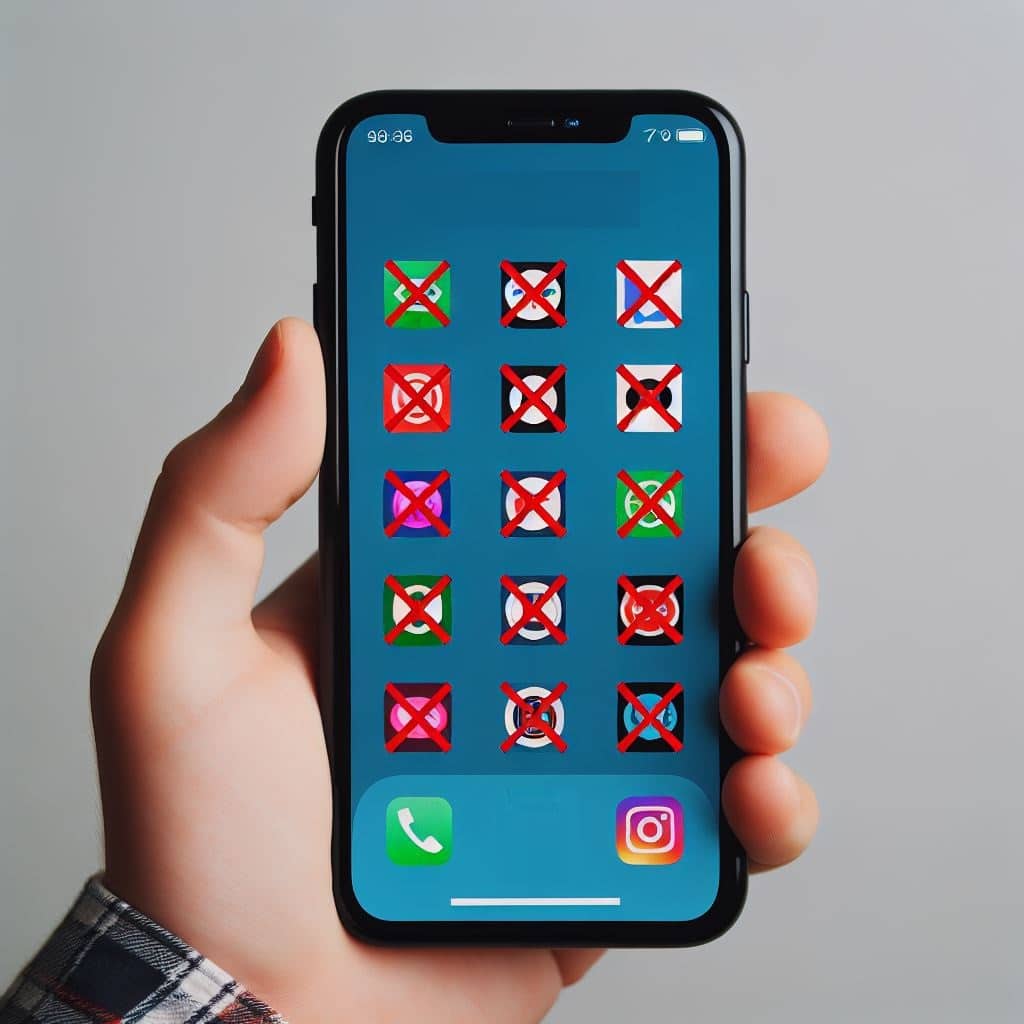
The Ministry of Electronics and Information Technology (MeitY) seeks to block as many as 119 apps, mostly linked to China and Hong Kong under Sec 69A of the Information Technology Act, 2000.
- Only 15 of these apps have been blocked so far, with the rest still available for download as of February 20
- Affected apps also include those from Singapore, the US, the UK, Australia, and so on
The matter first surfaced in a now-deleted disclosure on the Harvard University-operated Lumen Database, a website that keeps track of content takedown orders sent by governments worldwide.
Developers left in the dark
Companies behind apps like ChillChat (Singapore), HoneyCam (Australia), and Blom (China) say they were notified by Google but have received no direct communication from the Indian government.
- These apps are keen to work with the Indian government and resolve the issue
- Developers also say the move will hurt user trust, stall growth and damage revenues in the Indian market
What’s Sec 69A
This grants the Centre the power to block public access to online content on grounds of national security, sovereignty, and so on. Blocking orders passed under the clause are confidential.
- In 2022, the microblogging platform X, then known as Twitter, sued the Indian government, seeking relief from some blocking orders issued under Section 69A
The section and the blocking orders issued under it remain contentious due to their lack of transparency.
- With Google’s disclosure now deleted from Lumen, it’s unclear when the full ban will be enforced
Dig deeper
Influencers face the heat amid BeerBiceps row

The backlash faced by YouTuber Ranveer Allahbadia has worried the influencer community, who fear they could be next.
The aftermath
Popular vlogger Shenaz Treasury lost a deal with a brand that thought collaborating with an influencer was too risky.
- Stand-up comedian Harsh Gujral took down two episodes of his new roast-style show following the Allahbadia controversy
- While comedian Anubhav Singh Bassi's shows in Lucknow were cancelled.
Streaming apps are also feeling the effects of this controversy, with the Ministry of Information and Broadcasting (MIB) urging platforms to strictly adhere to age-based content classification.
Brands on edge
Many brands are in wait-and-watch mode and are asking for detailed assurances before committing to any partnership.
- Advertisers have become selective about who they want to work with when it comes to influencers
Comedians are the hardest hit, once again facing scrutiny, and brands are wary of associating with them.
Adjusting to new realities
Influencer marketing agencies have amped up their content vetting process, especially around sensitive topics, by adding more aspects to their existing guidelines.
- Some are getting their campaigns pre-approved by the Advertising Standards Council of India (ASCI), the ad regulator
One agency has brought on board specialized legal consultants to review creative proposals before presenting them to clients.
- Many are even using AI to gauge the digital landscape by analyzing posts and audience sentiment
Find out more



 PREVIOUS
 QUICK HITS
 GLOBAL PICKS