Top 3 stories
India plans 100-qubit quantum leap
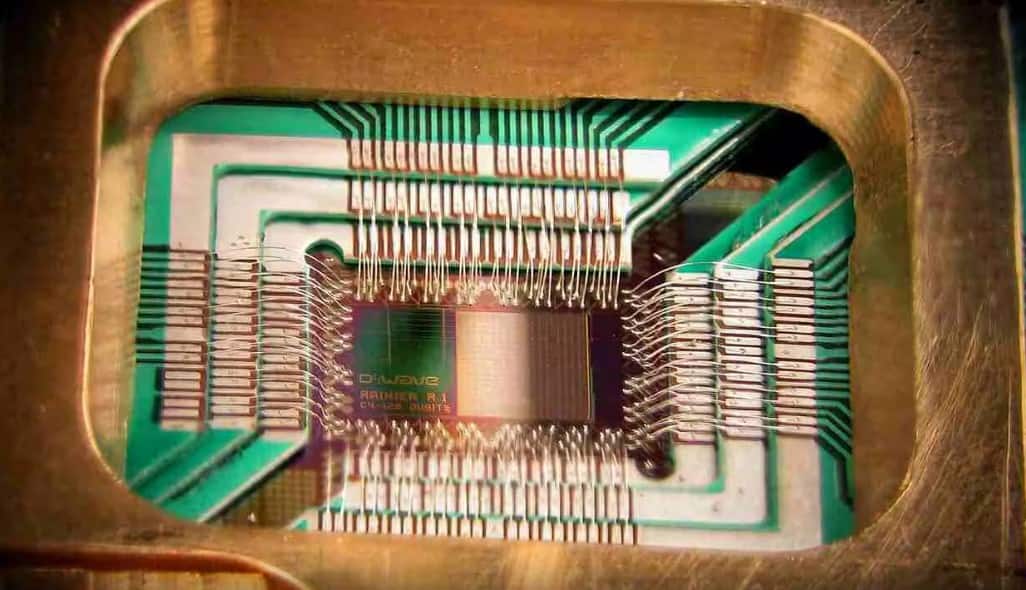
India is getting serious about quantum computing and this time, it’s not just all theory or on paper.
Driving the news
India is building a superconducting qubit-based quantum computing facility with a capacity of 50 to 100 qubits, aimed at strengthening domestic R&D in quantum technologies.
- The system will cater to Indian researchers, academic institutions, and startups
Tell me more
The Centre for Development of Advanced Computing (C-DAC) has issued a tender for the project.
- The facility will be located at C-DAC’s Electronic City campus in Bengaluru
- The system must be commissioned within 9 months of awarding the contract
- The system must be upgradable to 250 qubits
Not just hardware
C-DAC is also inviting co-development proposals in areas like:
- Quantum processor design, etc.
These proposals will not be part of the current tender evaluation but may be pursued independently later.
Meanwhile, industry is already looking ahead to the next frontier.
Quantum to go mainstream
Tata Consultancy Services (TCS), India’s largest IT services firm, expects conversations around quantum AI to go mainstream within the next two years.
“We may start witnessing the talks on quantum AI probably in a year or two,” said Bala Prasad Peddigari, Chief Innovation Officer, TCS.
Family businesses get a PE facelift

Brownies, baggage, and boardroom deals – Indian family businesses are packing in private equity partners at a rapid pace.
- What’s driving momentum? No heir apparent, need for growth catalysts and an ageing crop of Promoters
No heir, no problem
Age not just a number
An unwillingness to sell via M&A, the vision to IPO and Promoters getting older are all driving demand, too.
“In several cases, families also sell their businesses because a promoter turning old wants to give their younger generation money to live instead of a business to run,” VT Bharadwaj, general partner, A91 Partners, a private investment firm, told us.
In the case of Piramal, who turns 76 this year, it becomes difficult to keep operating a publicly listed company.
- A 50-year old Promoter wanting to take their company public knows they cannot run it for another 15-20 years, like a 40-year old. So they choose to sell to PEs
Not all deals
While there are several success stories, some deals like the Subhiksha one, have turned sour.
- Differences in opinions and management styles were some of the key reasons
- However, some deals also do not work out because Promoters feel they leave money on the table
Dig deeper
Is AI learning too much from itself?
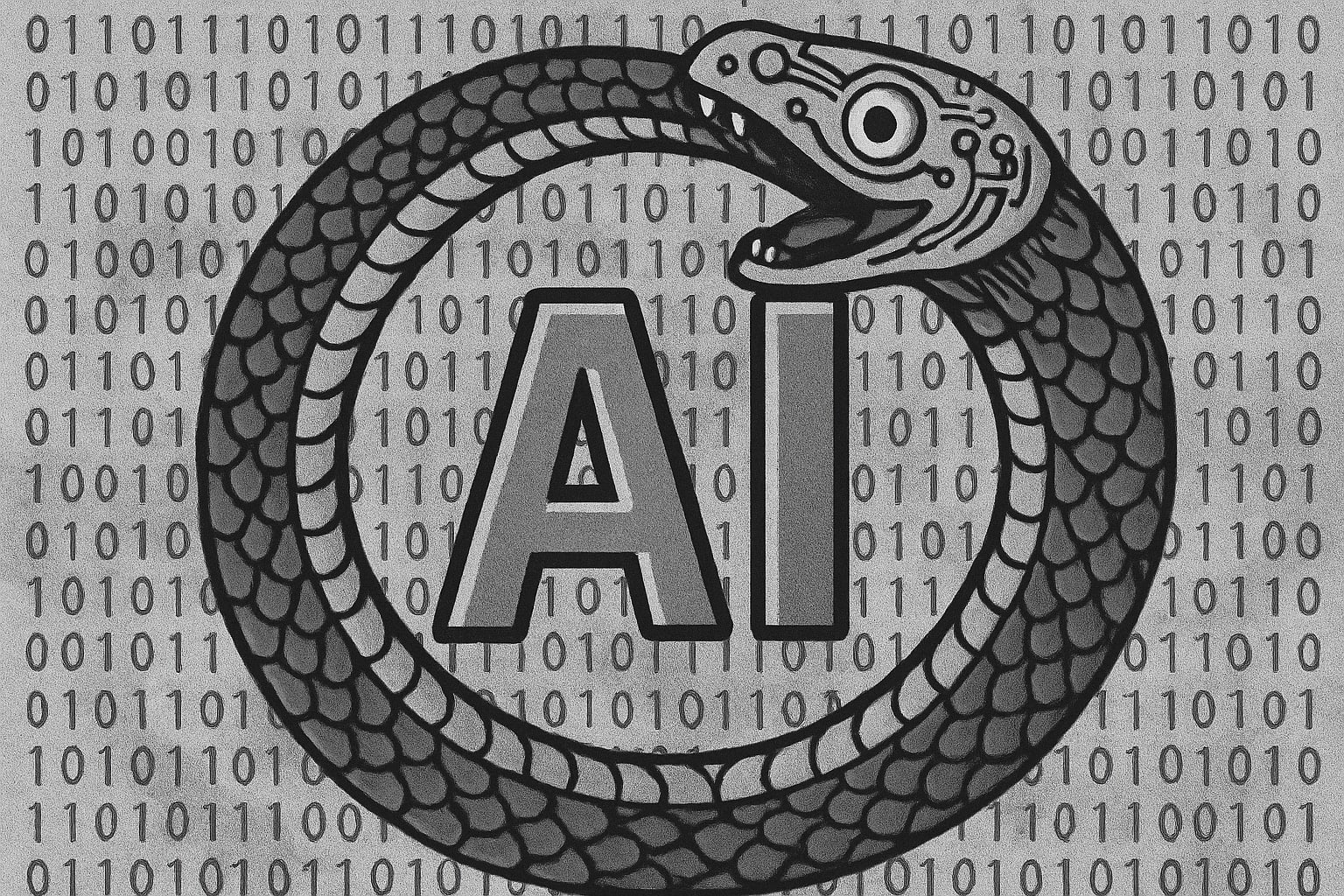
In Greek mythology, the ouroboros, a serpent eating its own tail, is a symbol of infinity, recursion, and sometimes, self-destruction.
- In the AI world of 2025, that metaphor feels uncomfortably real
What's happening?
As generative AI floods the internet with machine-made text, future models are at risk of being trained on their digital tails.
- Learning not from humans, but from each other
Researchers call it model collapse, and that could reshape the very foundations of AI.
- A 2023 Oxford-Cambridge study warns that repeated training on synthetic data leads to a degenerative loop where models lose originality and accuracy
According to Copyleaks, AI-generated content online has soared 8,362% since ChatGPT-3.5 launched in late 2022.
India’s high-stakes play
As India builds its own LLMs under the IndiaAI Mission, the synthetic data crisis takes centre stage.
- Gan.ai’s Suvrat Bhooshan isn’t worried yet, but says his models already watermark output to avoid training on AI-generated data
- Gnani.ai uses speech metadata tagging and provenance tracking, keeping 20% of data human-sourced to mitigate collapse risks
- Soket AI Labs pulls from pre-2018 Common Crawl datasets and emphasises model alignment over scale
Not everyone’s worried
Some industry experts argue the panic is overblown.
Tanuj Bhojwani, an independent tech expert, says most companies rely on closed data pipelines, making the feedback loop less of a real-world issue.
- He points to TTS models like Kokoro, which delivered strong results using synthetic training data
Others disagree. Sravan Kumar Aditya of Toystack AI warns: “Don’t train on synthetic data. It’s not reliable.”
- Counterpoint’s Tarun Pathak says hallucinations and misinformation rise when synthetic content dominates
Is the window closing?
The Oxford-Cambridge paper suggests that early movers like OpenAI had an edge as they had access to a more “human” internet.
Still, Srikanth Velamakanni, CEO of Fractal Analytics, believes it’s not too late for India.
"A significant portion of Indian-language content remains untouched,” he said.
One common theme among industry players is the push towards smaller models trained on trusted human data.
“This local-first, quality-over-quantity approach can help them (Indian AI startups) stand out globally, not by competing head-on in sheer scale, but by offering models that excel in relevance, accuracy, and real-world utility for diverse Indian users,” Gnani.ai co-founder Ganesh Gopalan said.
Dig deeper
MC Interview: Zoho bets big on vertical SaaS
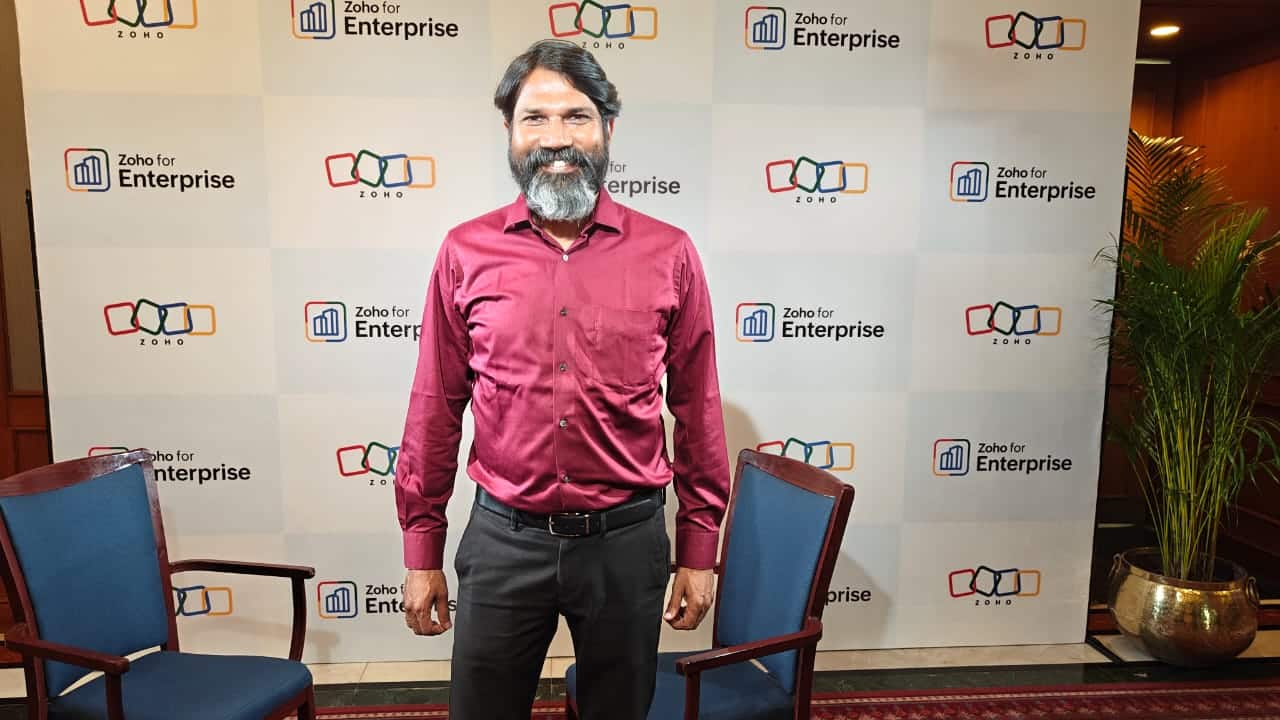
Zoho is going all-in on vertical SaaS, identifying it as the next big growth opportunity. CEO Mani Vembu said the company aims to disrupt sectors like auto dealership management and BFSI by slashing implementation times and productising early wins.
- Ramprakash Ramamoorthy, Director of AI Research also said Zoho is focused on “purposeful intelligence”, building modular, task-specific agents that understand enterprise data, workflows, and business logic
Find out more



 PREVIOUS
 QUICK HITS
 GLOBAL PICKS