 Top 3 stories
Good Glamm puts brands on sale

They say selling the family silver can buy you time, but can it truly save the day?
Driving the news
In a bid to stay afloat, Warburg Pincus-backed The Good Glamm Group (GGG) has put three of its top brands on the block.
- Organic Harvest, The Moms Co, and Sirona are now up for grabs as the company scrambles to raise much-needed funds
- The founder, Darpan Sanghvi, has been in talks with leaders of top brands like Mamaearth, Nykaa, and Purplle, but so far, no deals have materialised
The valuation of these assets has become a point of contention, with Good Glamm seeking Rs 500-550 crore for Sirona, while potential buyers believe it's worth only Rs 150-180 crore.
Inside the struggle
It's no secret that things haven’t been smooth sailing for Good Glamm lately.
- The company's monthly revenues have plummeted from Rs 50-60 crore to Rs 25-30 crore, as its cash burn reduced by half
- These financial difficulties have put Good Glamm under immense pressure to raise additional capital
The company's aggressive acquisition strategy has stretched its resources, hindering its ability to scale and grow its brands.
Quick fix, big risk?
With plans to go public by mid-2025, The Good Glamm Group needs to improve profitability, and selling brands could inject the cash necessary to reach that goal in time. But insiders aren't convinced this is the right move.
"GGG selling 3-4 of its best companies to raise money does not make sense. Once you sell your jewels, you can't use the capital to run other brands that haven't scaled," said one source.
Dig deeper
Picture credit: GPT4.o
The Uber-Ola of bus travel

Driving the disruption
For decades, inter-city bus travel in India has been synonymous with discomfort, uncertainty, and a less-than-ideal experience. But times are changing!
- Companies like IntrCity, Zingbus, and the recent entrant, FlixBus, are offering promotional fares as low as Rs 99 on select routes
These aggregators are adopting an 'asset-light model,' focusing on technology and partnerships rather than owning buses directly.
Addressing passenger concerns
Recognising the challenges faced by inter-city travellers—especially women—these aggregators prioritise passenger comfort and safety. They are tackling issues such as:
- Poorly-lit waiting areas
- Dirty washrooms
- Unreliable staff
- Delayed services
- Unscheduled stops at overpriced eateries
- Poorly maintained buses
Passengers can also enjoy amenities like free Wi-Fi, GPS tracking, water bottles, and snacks.
A win-win partnership
The aggregators pay operators a fixed per-Km fee, regardless of the number of seats filled.
- This ensures a steady income for operators while giving the aggregators control over fare pricing and ticket marketing
Go for a ride
Curious about what’s next for the future of transport? Scroll down for more!
Tesla's future fleet
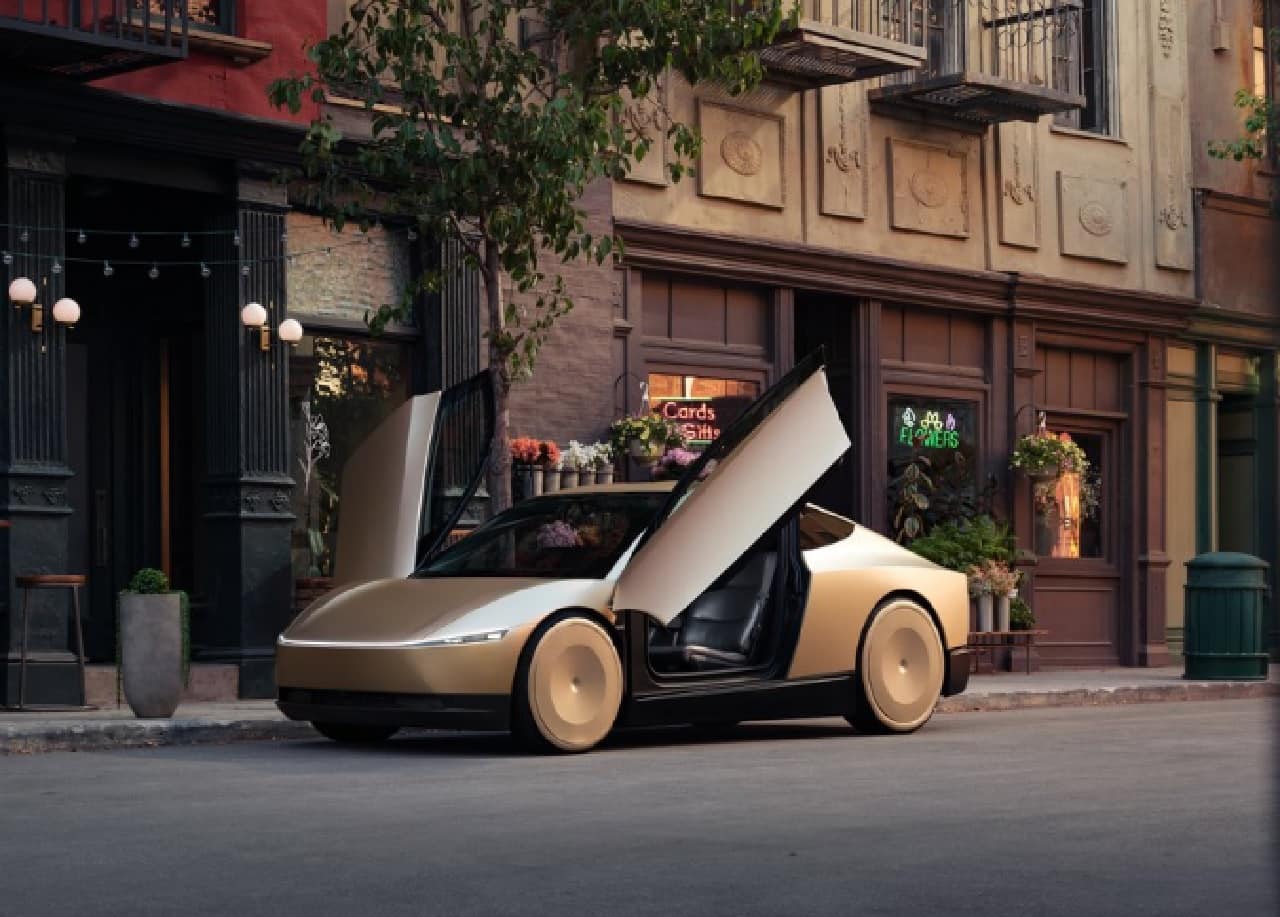
Elon Musk's vision of autonomous driving has taken a significant step forward!
Step inside the future
Gone are the days of steering wheels and foot pedals!
- The Cybercab features two sleek gull-wing doors and offers a lounge-like interiors
The Cybercab is set to go into production in 2026 with a price tag under $30,000.
"You're just sitting in a comfortable little lounge, and you can do whatever you want while you're in this comfortable little lounge, and when you get out, you will be at your destination," Musk said.
Meet the Robovan
Musk didn't stop with the Cybercab; he also teased the Robovan, a futuristic vehicle capable of transporting 20 passengers or goods.
- However, the timeline for Robovan's production remains a mystery
Robovans are expected to offer autonomous deliveries, streamline logistics, and cut down on operational costs for last-mile deliveries.
The tech inside
Equipped with AI and advanced camera systems, both the Cybercab and Robovan will operate without the complex hardware used by competitors.
- The vehicles will use wireless inductive charging
- Musk said that a Cybercab will be “10 to 20 times safer” than a car driven by a human
Yes, but...
Musk's ambitious plans for autonomous driving have often faced scepticism, and the Cybercab and Robovan are no exception. While the concepts are exciting, investors and analysts are eager to see concrete timelines and tangible results
Will Tesla's Cybercab and Robovan be the next groundbreaking innovations from the company, or will they join the list of Musk's ambitious projects that face production delays? Only time will tell.



 PREVIOUS
 QUICK HITS
 GLOBAL PICKS


