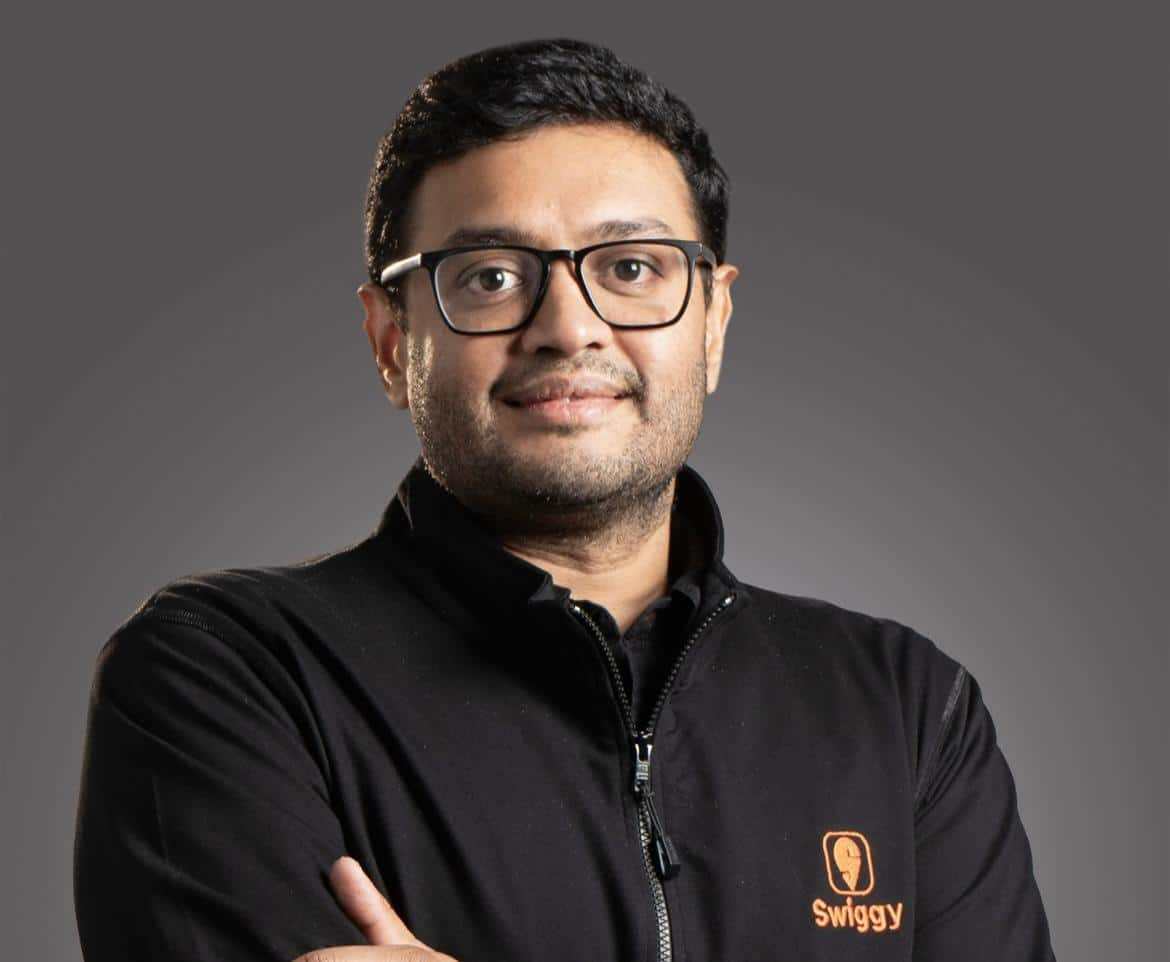
One quick thing: Yulu rides the quick commerce surge
In today’s newsletter:
- Capgemini acquires WNS for $3.3 billion
- Cred tops PhonePe in bill payment value
- Garena's eSports ghar wapsi
P.S.: Introducing the Tech3 Podcast, your daily dose of tech and startup insights. Monday to Friday! Check it out on Spotify or Apple Podcasts
Was this newsletter forwarded to you? You can sign up for Tech3 here
 Top 3 stories
Capgemini’s $3.3 billion AI buy
Capgemini is placing a massive bet on the future of AI-powered business process services — and it’s betting on WNS to deliver it.
The big deal
Capgemini is acquiring WNS for $3.3 billion (excluding debt), a premium of 17% over WNS’s July 3 closing price.
- This is one of the largest consolidations in the IT-BPM (business process management) sector in recent times
The transaction is expected to immediately show an increase in Capgemini’s revenue growth and operating margin, Capgemini said.
“Capgemini’s acquisition of WNS will provide the Group with the scale and vertical sector expertise to capture that rapidly emerging strategic opportunity created by the paradigm shift from traditional BPS to Agentic AI-powered Intelligent Operations,” said Capgemini CEO Aiman Ezzat.
Yes, but why?
The French IT giant wants to turbocharge its generative and agentic AI capabilities. By acquiring WNS, it’s getting:
- Deep domain-led BPO expertise
- A strong foothold in insurance, banking, travel and hospitality
Expert take
Analysts say the acquisition will give Capgemini access to WNS’s blue-chip client portfolio, including United Airlines, Aviva, and Centrica.
- One expert noted that business process services (BPS) are a prerequisite for developing and deploying AI
Capgemini will also get to leverage one of its emerging strengths, as large clients want to move from BPO to Services-as-Software solutions.
Go deeper
Cred tops PhonePe in bill payment value
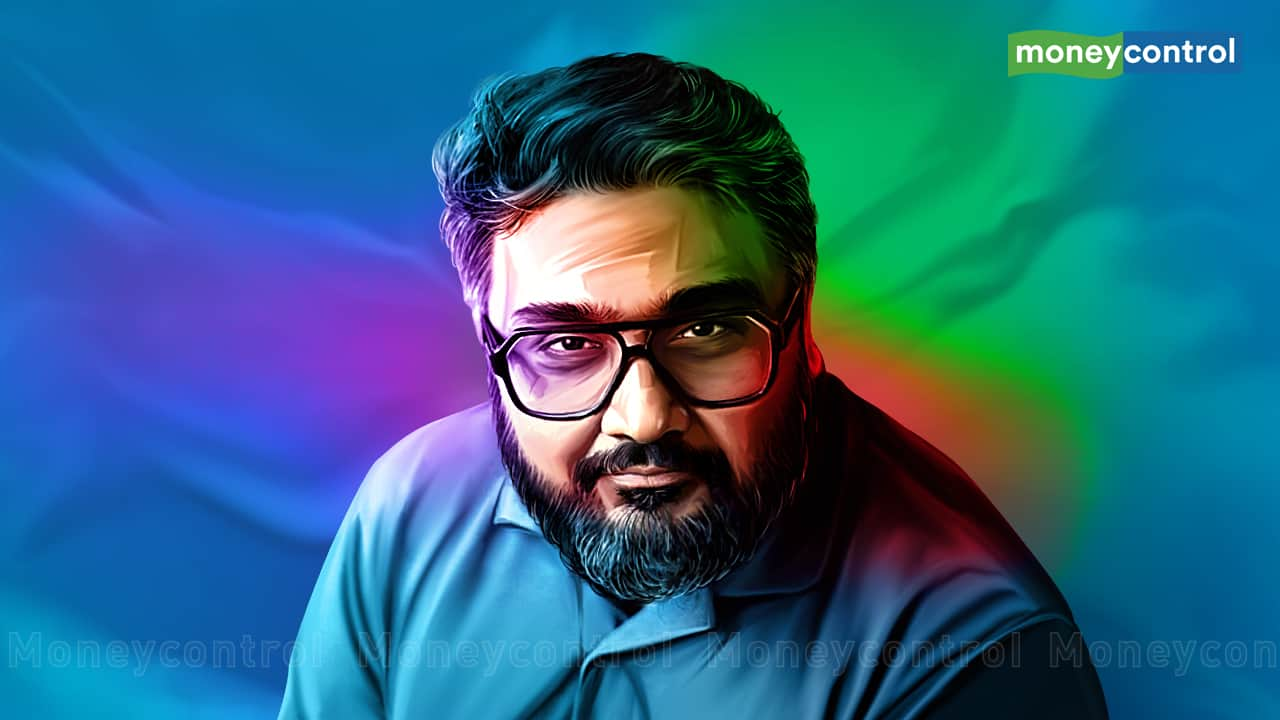
Kunal Shah-led Cred may have lost ground in the UPI payments space to newer players like Sachin Bansal’s Navi and Flipkart’s super.money.
- But there is one area where it clearly dominates over larger UPI players such as PhonePe, Google Pay and Paytm: bill payments
Driving the news
Cred processes bill payments worth over Rs 50,000 crore every month.
- 75% more than PhonePe, the next largest player in the segment, which handles over Rs 30,000 crore in bill payments
However, when it comes to volume, PhonePe is nearly three times bigger.
- It facilitates 9.3 crore bill payments a month, compared to Cred’s 3.6 crore
One more thing
Cred’s entry into the bill payments platform was spurred by a regulatory mandate issued last July, requiring all bills, including credit card bills, to be aggregated under the Bharat Connect platform.
- Cred’s dominance in less than a year owes a lot to its origin as a credit card bill payment rewards platform
The average value of a bill settled on Cred is Rs 14,000, compared to just Rs 3,000 on PhonePe.
Dig deeper
Garena's eSports ghar wapsi

It's game on for esports players in India as Garena reboots its most popular game --- Free Fire Max in the tournament battles.
- With a prize purse that rivals India’s most popular esports title, BGMI, the India 2025 Cup is levelling up the competition
What's driving the news
Game developer Garena has made a comeback in India’s competitive esports scene, long after the 2022 ban of its Free Fire game.
- From open qualifiers to pro leagues, the India Cup gives gamers the roadmap they’ve been missing
When Garena exited, it left a big hole in mobile esports, especially in smaller cities, where Free Fire wasn’t just a game; it was the game.
Battle royale
Rs 1 crore on the line! The India Cup is ready to bring gamers, streamers, and fans back into action after the long lull.
- With brand deals, streaming revenue, and team payouts, India’s top players can earn between Rs 3 lakh and Rs 10 lakh a month
The India Cup's biggest brand tie-up is with Tez Platforms, the consumer technology venture of the Hiranandani Group.
Let the games begin
It’s not just one big event—it’s the beginning of a full calendar of tournaments, local leagues, and community esports.
Through its Free Fire MAX Esports team, Garena is directly engaging with young players and giving fresh talent a chance to step into esports.
“India’s gaming community and esports landscape are evolving at an incredible pace, and this collaboration marks a significant step toward nurturing homegrown talent and building a vibrant, future-ready esports ecosystem,” Tez Platforms chairman Darshan Hiranandani told us
Find out more




 PREVIOUS
 QUICK HITS
 GLOBAL PICKS