

co-presented by
ASSOCIATE SPONSORS
co-presented by


ASSOCIATE SPONSORS



The development is important as India and the US have been negotiating an interim deal to boost trade ties. Both sides aim to agree to a scaled-down version before July 9.

These duties were imposed following recommendations of the commerce ministry's investigation arm Directorate General of Trade Remedies (DGTR).

The Global Trade Research Initiative (GTRI) said these five products — basmati rice, non-basmati rice, sugar, spices, and oil meals — account for 51.5 per cent of India's total agriculture exports.

India's move came after both regions were not able to arrive at a mutually agreeable solution (MAS).
In the meeting, "India took the floor to introduce the joint communication from Egypt, India and South Africa," the Geneva-based official said, without disclosing details of the paper.

The four-day 12th ministerial conference (MC) will start on June 12 in Geneva. The meeting is taking place after a gap of four years and in the backdrop of the Ukraine-Russia war and uncertain global economic situation.

India has time and again emphasised that it is keen to finalise an agreement on fisheries subsidies in the WTO as irrational benefits and overfishing by many countries are hurting domestic fishermen and their livelihood.

The European Union argued at the World Trade Organization that Chinese courts were preventing European companies from protecting their telecom technology patents.
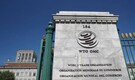
In 2019, Brazil, Australia, and Guatemala dragged India into the WTO's dispute settlement mechanism alleging that New Delhi's domestic support measures to producers of sugarcane and sugar and export subsidies are inconsistent with global trade rules including various provisions of the WTO's Agreement on Agriculture, Agreement on Subsidies and Countervailing Measures, and the General Agreement on Trade and Tariffs.
India, the world's top sugar producer after Brazil, may appeal the decision. Its mission to the WTO in Geneva did not immediately respond to a request for comment on the ruling in the conclusion of the panel's 115-page report.

Global trade is expected to grow at a tepid 2.8 percent in 2016, the World Trade Organization (WTO) said in April, with uncertainty over Britain's decision to leave the EU only adding to concerns.

Foreign direct investment (FDI) in India increased to USD 37.53 billion during April-February period of the last fiscal, Parliament was informed today.

New Delhi is furious about a threat of trade sanctions made by the U.S. Trade Representative's (USTR) office over its protection of intellectual property rights (IPR), preference for domestic producers and non-trade barriers.


