


co-presented by
ASSOCIATE SPONSORS
co-presented by


ASSOCIATE SPONSORS


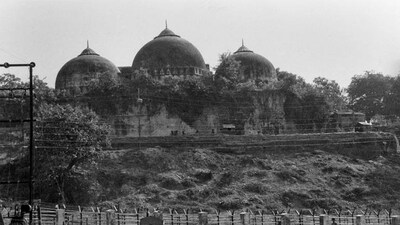
The land is in village Dhannipur in tehsil Sohawal in Ayodhya on the Lucknow highway, about 18 kilometres from the district headquarters, state government spokesperson Shrikant Sharma told reporters.

However, the Uttar Pradesh Sunni Central Waqf Board, which has been awarded the alternative five-acre land for mosque by the apex court, as well as Iqbal Ansari, also a main litigant, distanced themselves from the Board's decision and said they would not file a review petition.

Seen against the rise of Hindu majoritarianism across India, the Congress’ impish welcoming of Supreme Court’s Ayodhya verdict doesn’t come as a surprise. The Congress is perhaps keen to keep the focus on the BJP and its recent failures.

The Muslim community had possibly reconciled itself to the verdict a while ago. The damage caused to the social harmony of India because of this dispute has been enormous
The verdict provides a template for the future on how to use the present to set right the wrongs of the past — perceived or real

The Waqf Board, through its lawyer VV Giri, had claimed that the Taj Mahal had belonged to it since Shah Jahan was alive.


