-
My Account









How to build your credit score from scratch: A beginner’s guide
A strong credit score opens doors to better loans, lower interest rates, and greater financial flexibility.




1/6

Start off with a secured credit card
If you're new to credit, a secured credit card is one of the safest ways to begin. You make a deposit that becomes your line of credit, reducing risk for the lender. As you use the card regularly for small, affordable purchases and pay the balance in full each month, you'll start establishing good payment history. With time, sound use of a secured card can result in becoming eligible for a regular, unsecured credit card.
If you're new to credit, a secured credit card is one of the safest ways to begin. You make a deposit that becomes your line of credit, reducing risk for the lender. As you use the card regularly for small, affordable purchases and pay the balance in full each month, you'll start establishing good payment history. With time, sound use of a secured card can result in becoming eligible for a regular, unsecured credit card.
2/6

Keep your credit utilization low
Your credit utilization ratio—the percentage of what you owe compared to how much you have available to you—has a big impact on your credit rating. Experts tend to recommend keeping it below 30%, but lower than 10% is even better. This tells lenders that you're not overly reliant on credit. First, this means only making a handful of purchases on your card per month and paying them off on time, not letting you charge to the limit.
Your credit utilization ratio—the percentage of what you owe compared to how much you have available to you—has a big impact on your credit rating. Experts tend to recommend keeping it below 30%, but lower than 10% is even better. This tells lenders that you're not overly reliant on credit. First, this means only making a handful of purchases on your card per month and paying them off on time, not letting you charge to the limit.
3/6

Pay all bills on time
Payment history is the greatest influence on your credit score. A single late or missed payment can set your score back significantly, especially if you're early into building your credit. Automated payments or reminders may ensure that you never miss a payment due date. This applies not only to charge cards, but also to utilities, rent, and other recurring payments that are subject to reporting by the credit bureaus.
Payment history is the greatest influence on your credit score. A single late or missed payment can set your score back significantly, especially if you're early into building your credit. Automated payments or reminders may ensure that you never miss a payment due date. This applies not only to charge cards, but also to utilities, rent, and other recurring payments that are subject to reporting by the credit bureaus.
4/6
Think of becoming an authorised user
If there is a member of your family or a close friend who has had an old credit card with excellent payment history, you can ask to be added as an authorised user. By doing so, you get to benefit from the positive credit habit because the account history will be incorporated in your own credit report. Although you never need to use the card, ensure the initial owner of the account continues to make responsible payments.
If there is a member of your family or a close friend who has had an old credit card with excellent payment history, you can ask to be added as an authorised user. By doing so, you get to benefit from the positive credit habit because the account history will be incorporated in your own credit report. Although you never need to use the card, ensure the initial owner of the account continues to make responsible payments.
5/6
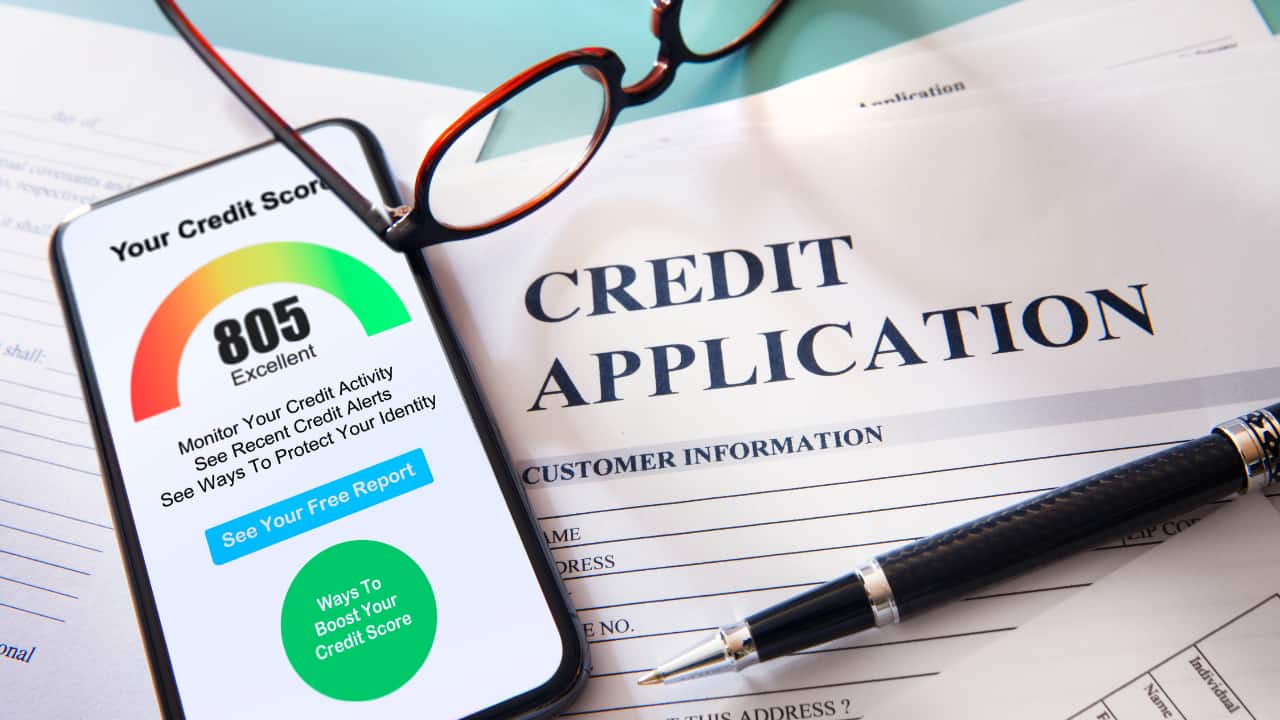
Construct incrementally and avoid unnecessary credit applications
As much as you may need to try for several cards or loans in order to maximize your credit facilities, applying too many in a short space of time will damage your score. Each application incurs a hard inquiry, which lowers your score in the short term. Focus instead on keeping one or two accounts current, allowing your credit history to mature over time. A solid foundation will pay rewards and give you more options and better terms in the long run.
As much as you may need to try for several cards or loans in order to maximize your credit facilities, applying too many in a short space of time will damage your score. Each application incurs a hard inquiry, which lowers your score in the short term. Focus instead on keeping one or two accounts current, allowing your credit history to mature over time. A solid foundation will pay rewards and give you more options and better terms in the long run.
6/6
Be consistent and monitor your progress
Building credit is an ongoing commitment, and consistency is what will get you there. Regularly reviewing your credit report means you're on the right path and seeing any errors that could hinder your progress. These little, self-disciplined steps month after month and year after year will all contribute to a healthy credit report, giving you greater control over your economic destiny.
Building credit is an ongoing commitment, and consistency is what will get you there. Regularly reviewing your credit report means you're on the right path and seeing any errors that could hinder your progress. These little, self-disciplined steps month after month and year after year will all contribute to a healthy credit report, giving you greater control over your economic destiny.
Discover the latest Business News, Budget 2025 News, Sensex, and Nifty updates. Obtain Personal Finance insights, tax queries, and expert opinions on Moneycontrol or download the Moneycontrol App to stay updated!



