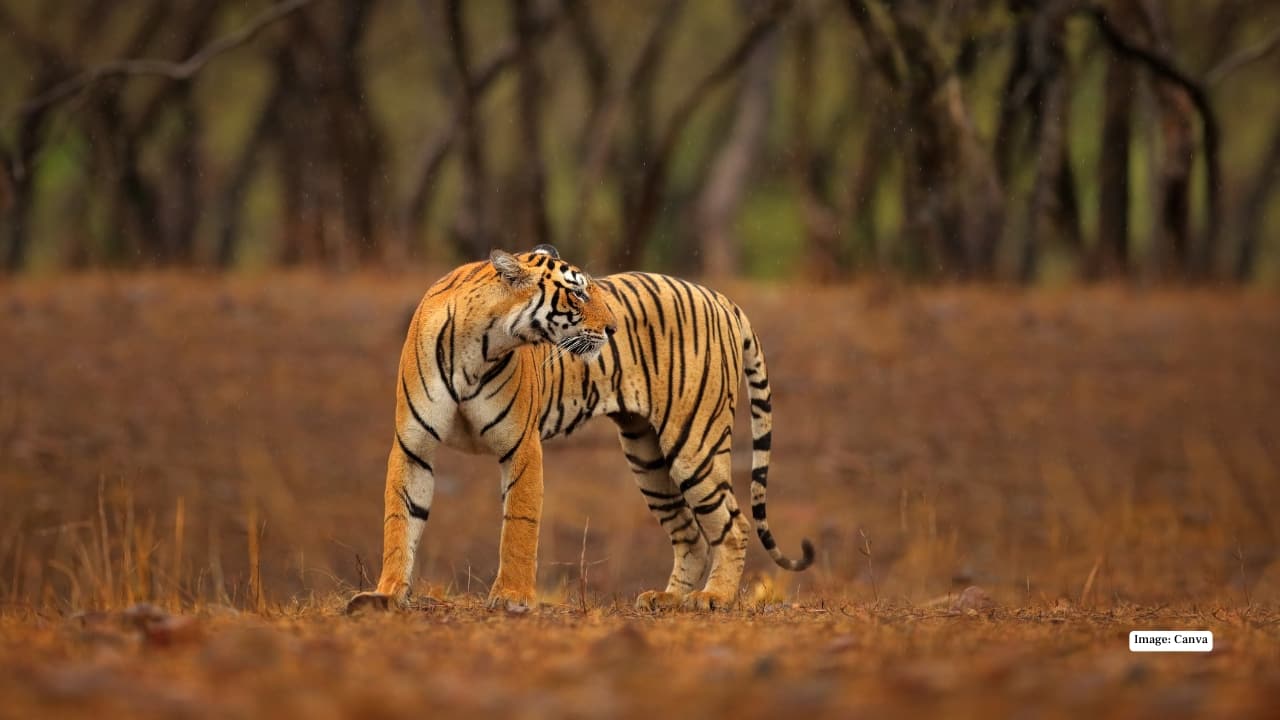
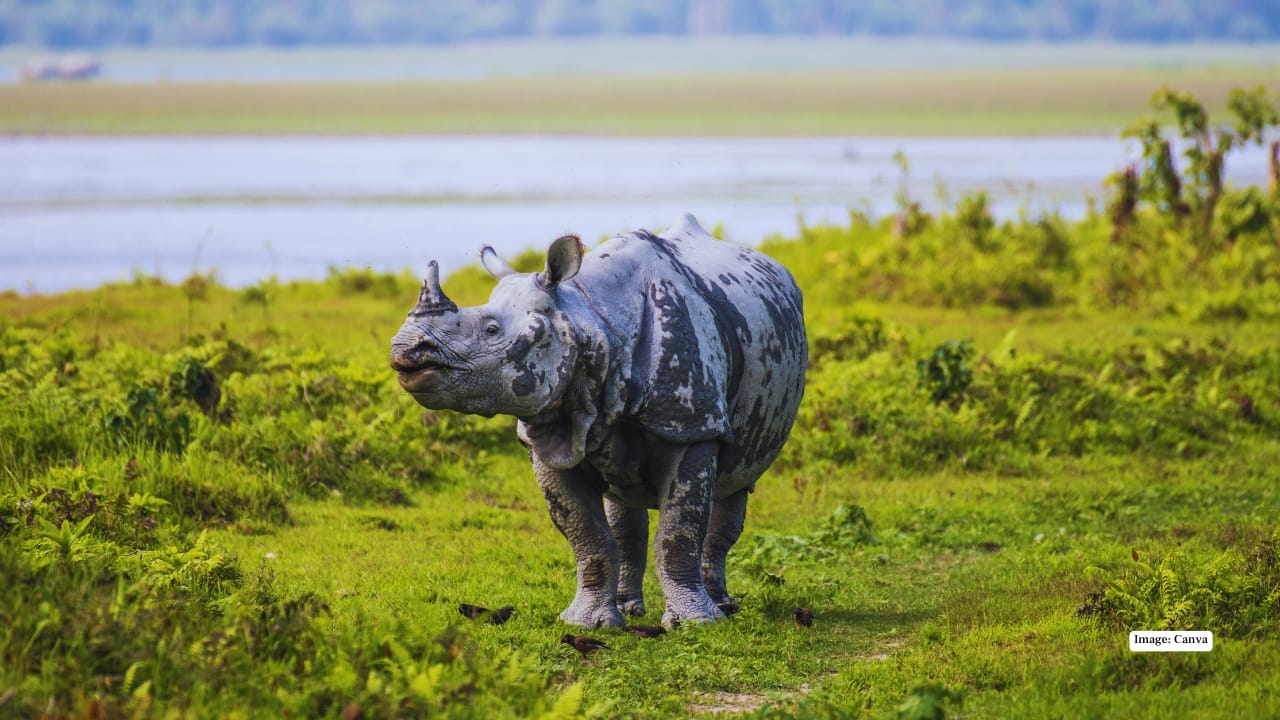
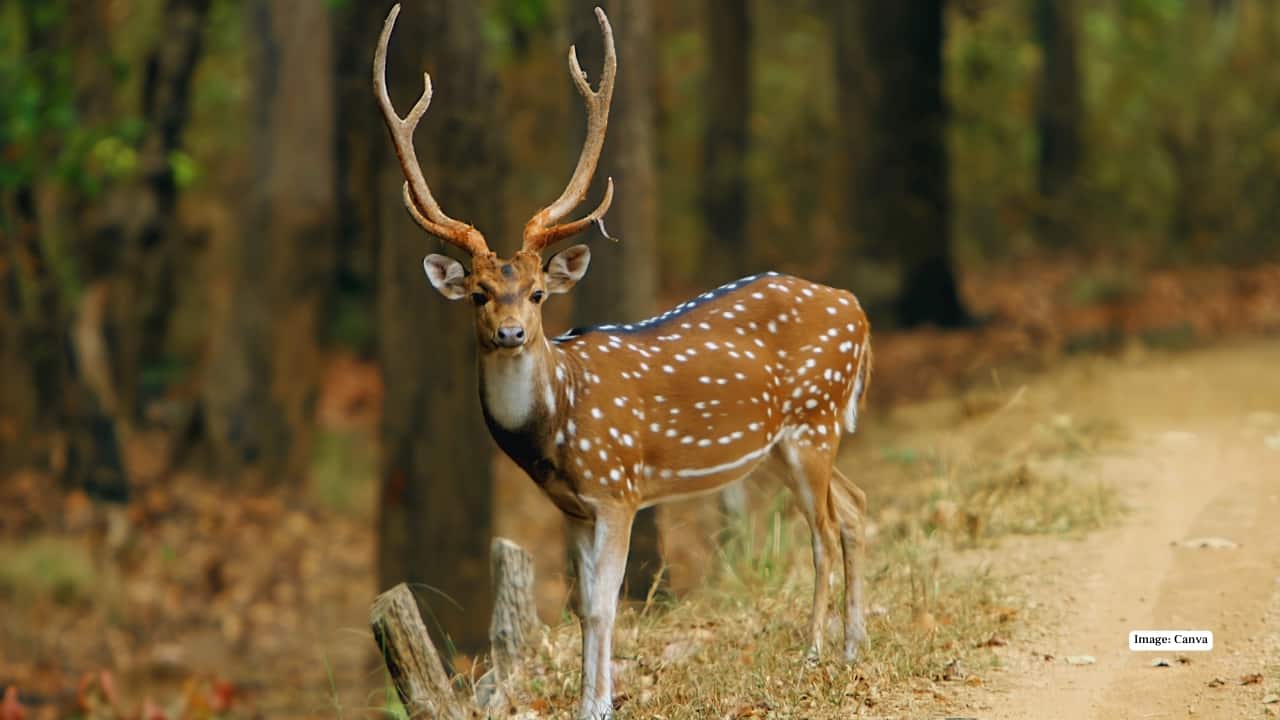
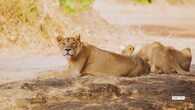
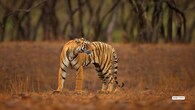
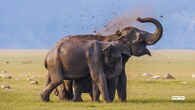
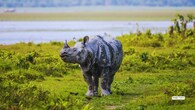
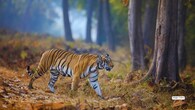
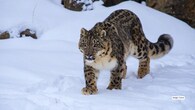
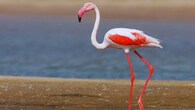
Winter in India is nothing short of magical, turning forests, grasslands, deserts, and alpine ranges into living works of art. Mist drifts over riverbeds, golden sunrises illuminate dewy meadows, and frosted landscapes create a dreamlike backdrop for photographers chasing the untamed. From the stealthy snow leopard navigating Ladakh’s snowy ridges to one-horned rhinos grazing in Assam’s shimmering wetlands, every corner of India bursts with life in winter. It’s the season when migratory birds paint the skies, predators reveal intimate moments, and landscapes transform into cinematic frames. For wildlife photographers seeking drama, serenity, or a once-in-a-lifetime encounter with nature, these nine destinations promise experiences — and shots — that linger long after the shutter clicks. 1. Gir National Park, GujaratWinter is the best time to photograph the legendary Asiatic lions, who bask on sunlit plateaus and stroll through Gir’s teak forests. Clear visibility, open terrain and the park’s thriving prey base make capturing lion prides feel almost cinematic. Look for early-morning patrols along waterholes and dusty trails glowing in warm winter light. 2. Ranthambore National Park, RajasthanIn winter, Ranthambore feels like a real-life movie set — tigers emerging through ancient stone arches, prowling along lakes framed by medieval forts, and resting near crumbling temples. The cool season sharpens visibility and amplifies drama, offering photographers a rare blend of wildlife action and historic grandeur in every frame. 3. Jim Corbett National Park, UttarakhandCorbett’s winter magic lies in its atmosphere: thick morning fog, long shadows stretching across riverbeds, and tigers materialising like phantoms from tall grass. Elephants, jackals and deer wander through the haze, giving photographers perfect opportunities for silhouettes, reflections and moody forest shots that feel straight out of a nature documentary. 4. Kaziranga National Park, AssamKaziranga in winter is an explosion of life — one-horned rhinos grazing in golden elephant grass, massive wild buffaloes crossing marshes, and migratory birds painting the sky. The crisp season allows clearer views across wetlands, making it easier to capture close-up action and sweeping herd shots against dramatic, low winter sun. 5. Tadoba-Andhari Tiger Reserve, MaharashtraTadoba is known for its bold tigers, and winter only increases your chances. The dry forest opens up sight lines, and mornings bring intense activity near waterbodies. Photographers can expect intimate tiger portraits, cub interactions, and bonus sightings of leopards, wild dogs and sloth bears wandering through glowing bamboo groves. 6. Keoladeo National Park, RajasthanWinter transforms Bharatpur into India’s busiest birding arena. Thousands of migratory species — from Siberian visitors to painted storks — fill the wetlands with colour and sound. Sunrise here is magical: mist floating over still water, birds landing in perfect formation, and the sky turning into a canvas of orange and gold. 7. Hemis National Park, LadakhWinter at Hemis is an expedition in itself, promising what few photographers ever capture — the elusive snow leopard. As temperatures drop, the “grey ghost” descends to lower ridges, offering rare chances for telephoto magic. Ibex, blue sheep and red foxes move across snow-draped slopes, giving storytellers dramatic Himalayan scenes. 8. Kanha National Park, Madhya PradeshKanha’s winter meadows glow at sunrise, turning every photograph into a soft, dreamy portrait. Tigers roam through sal forests shimmering with dew, while barasingha herds graze peacefully under golden light. The diverse landscape — open grasslands, dense woods, winding rivers — offers a variety of compositions in a single safari. 9. Rann of Kutch, GujaratIndia’s white desert becomes alive in winter. Flamingos, cranes and desert birds gather around seasonal wetlands, while wild asses sprint across endless salt plains. The stark, minimalist landscape gives photographers a rare canvas for abstract wildlife shots, silhouettes and horizon-wide frames unlike any other habitat in the country.