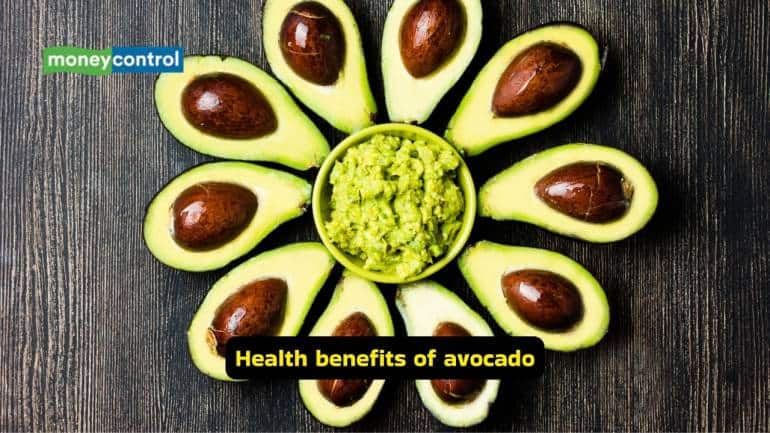
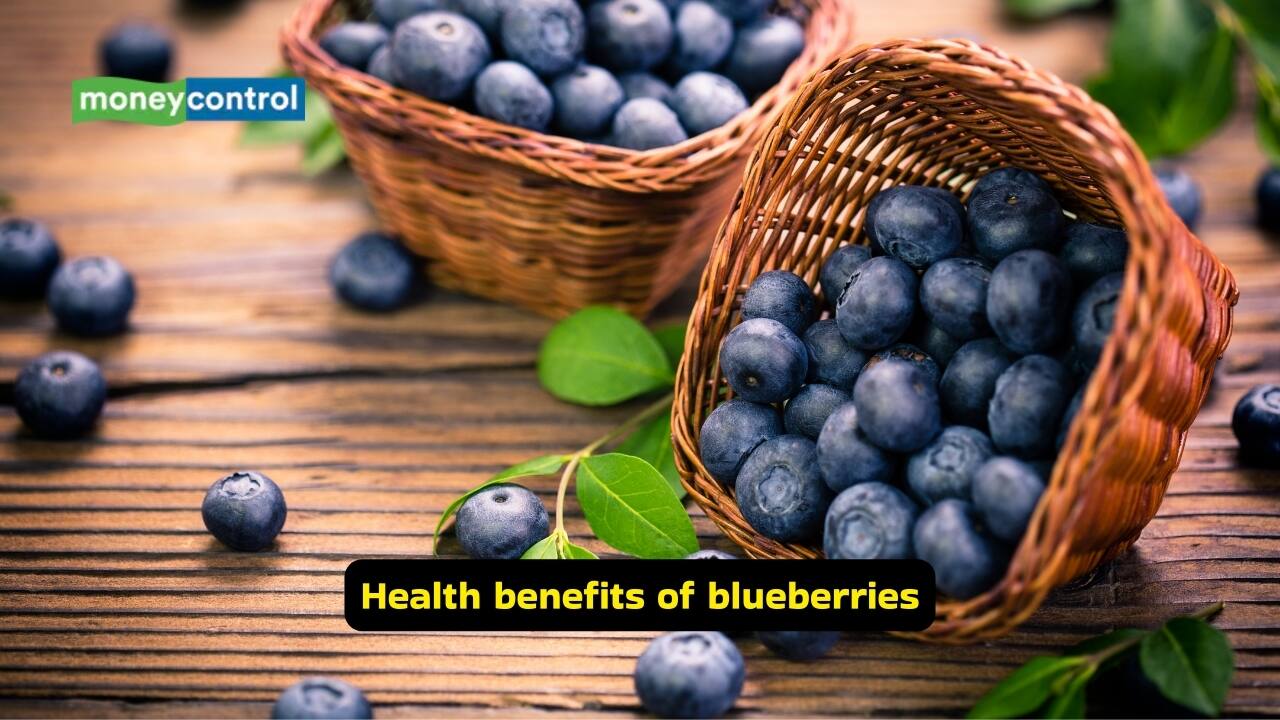
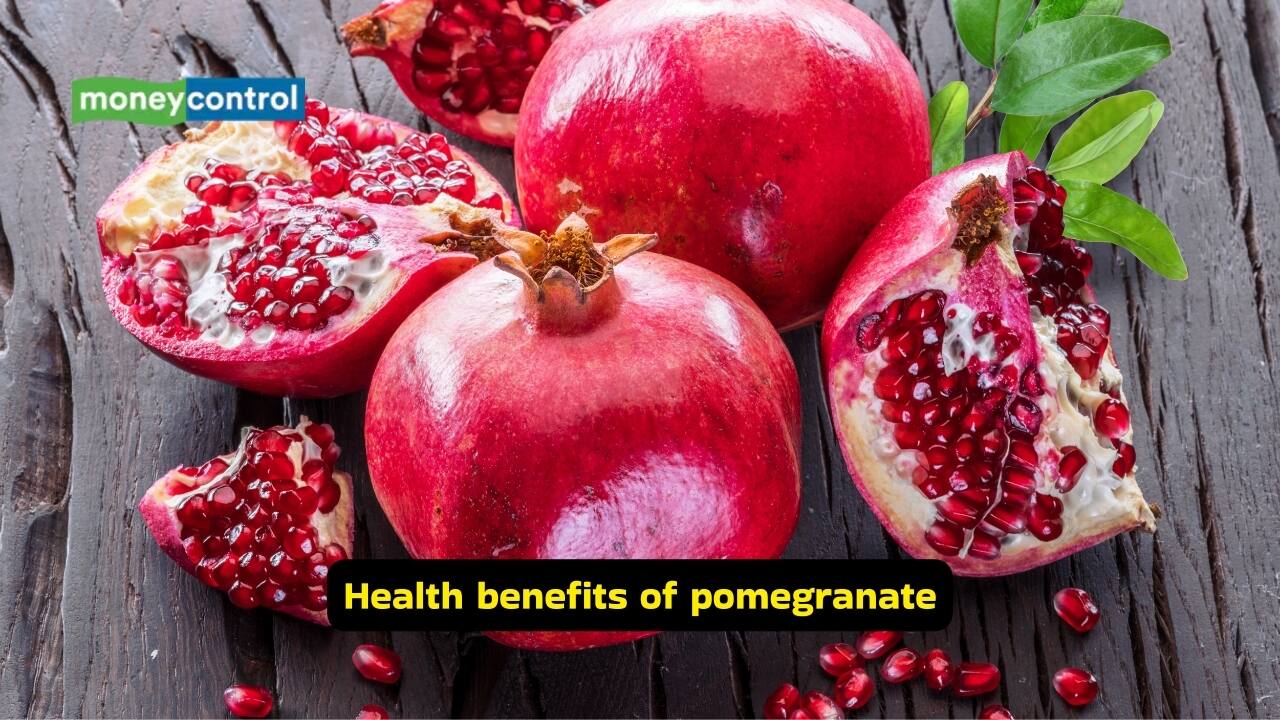
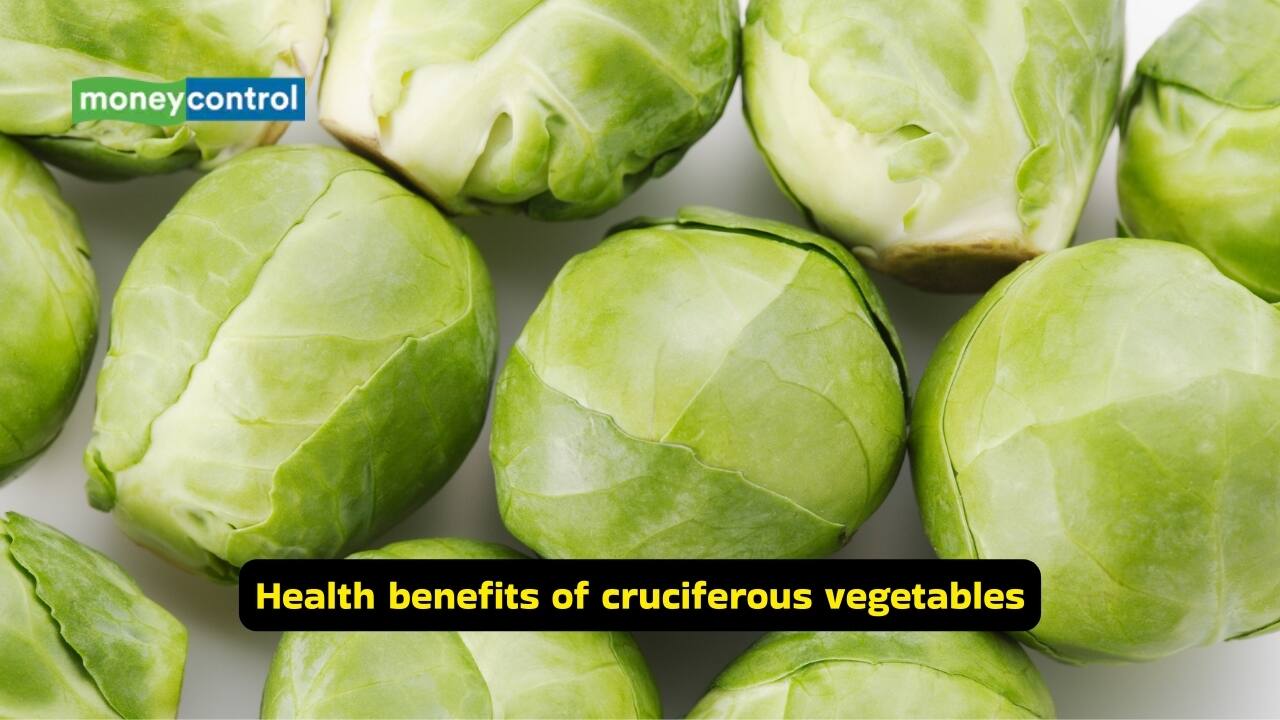
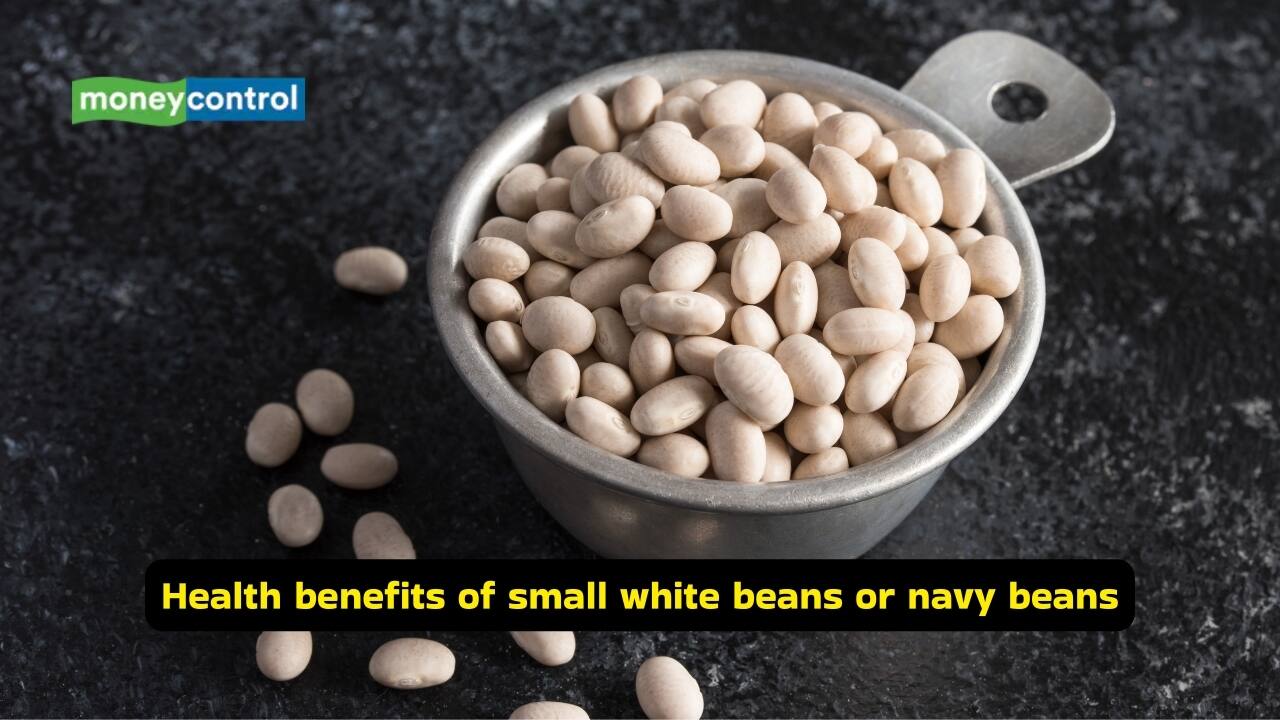
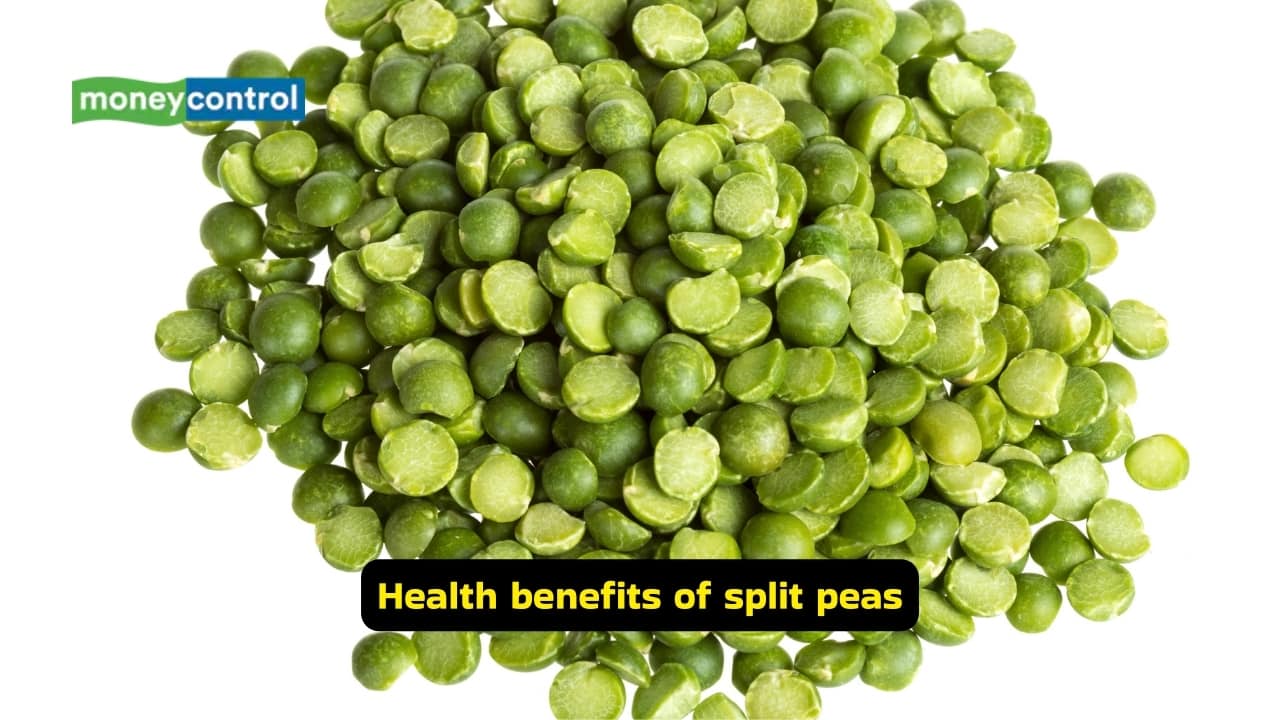
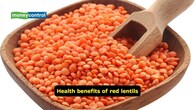
How to keep gut healthyDietary fibre is not just important for your gut health, but it also plays an important role in protecting your bones and joints. Orthopaedic surgeon Dr Jocelyn Wittstein, in her new Instagram video, explained more about the link between dietary fibre, circulating short-chain fatty acid levels, and the impact it has on your bones and joints. Benefits of short-chain fatty acidsShe explained, “Short-chain fatty acids come from your gut microbiota, which metabolise fibre and produce them. Then there are circulating levels of short-chain fatty acids that impact inflammatory processes in your body. More specifically, they inhibit activation of the nuclear factor kappa beta receptor, which is a key part of the inflammatory cascade that leads to cartilage breakdown and bone resorption.” Anti-inflammatory dietShe shared that anti-inflammatory diets contain adequate dietary fibre, which helps reduce fracture risk. Studies show that patients with rheumatoid arthritis have reduced short-chain fatty acid levels, and higher short-chain fatty acid levels have been associated with less progression of arthritis. She shared her favourite sources of dietary fibre along with the amount they contain. These are affordable and accessible. Health benefits of avocadoOne medium avocado gives you 10 gm of fibre. An avocado toast with sourdough bread is both healthy and delicious. Health benefits of raspberriesThese can be frozen or fresh. One cup gives you 9 gm of fibre, which is higher than other berries. Have them alone or with yoghurt or breakfast oatmeal. Health benefits of blueberriesThey have many benefits because they are rich in antioxidants. One cup contains 8 gm of fibre. These can also be consumed as a snack, with yogurt, or with breakfast oatmeal. Health benefits of pomegranateThey also have anti-inflammatory properties, along with 7 gm of fibre per cup. Toss them into salads or sprinkle them onto yogurt or oatmeal. Health benefits of cruciferous vegetablesThey have many health benefits, and when it comes to fibre, Brussels sprouts have the highest content. They contain about 6.5 gm of fibre per cup. Health benefits of basil seedsTwo tablespoons of basil seeds equal 15 gm of fibre. The orthopaedic surgeon said she consumes them frequently in yoghurt with fruit. Health benefits of small white beans or navy beansDepending on the brand, they contain about 10 gm of fibre per half cup, cooked. They taste good in soups and stews. Health benefits of split peasThis is another easy ingredient for soup and contains 8 gm of fibre per half cup, cooked. Health benefits of red lentilsOne of her favourites on the list for soup, she said red lentils contain 8 gm of fibre per half cup, cooked. Health benefits of tempeh She said it has 6 gm of fibre and 18 gm of protein in a 3-ounce serving. They can be crumbled, cubed, or sliced. (Disclaimer: This article, including health and fitness advice, only provides generic information. Don’t treat it as a substitute for qualified medical opinion. Always consult a specialist for specific health diagnosis)