






Dr Dhvani Mehta, Co-Founder of the Vidhi Centre for Legal Policy, was part of the legal team that represented Harish Rana and his family before the Supreme Court. In an interview with Moneycontrol, she spoke about constitutional issues surrounding euthanasia and the evolving debate on the right to die with dignity in India.
No, the appropriate phrase is ‘withholding or withdrawing life-sustaining treatment.’ In earlier cases, like Aruna Shanbaug and Common Cause, the Court has used ‘passive euthanasia’ to refer to ‘withholding or withdrawing life-sustaining treatment.’ However, in Harish Rana, the Court has stated clearly that euthanasia should refer only to an intentional act done to a person (like the administration of a lethal injection) to bring about their death. The intention underlying withholding or withdrawing life-sustaining treatment is only to ease suffering and protect dignity, not to bring about death. This is why it is not appropriate to refer to this as euthanasia, either active or passive.
Decisions to withhold or withdraw life-sustaining treatment are complex and are emotionally difficult both for doctors and for the patient’s caregivers. If these are equated with ‘euthanasia’, which is currently illegal in India, it can have very negative connotations and add to the emotional burden of doctors and caregivers. It might also put off doctors from ever withholding or withdrawing medical treatment, for fear of prosecution.
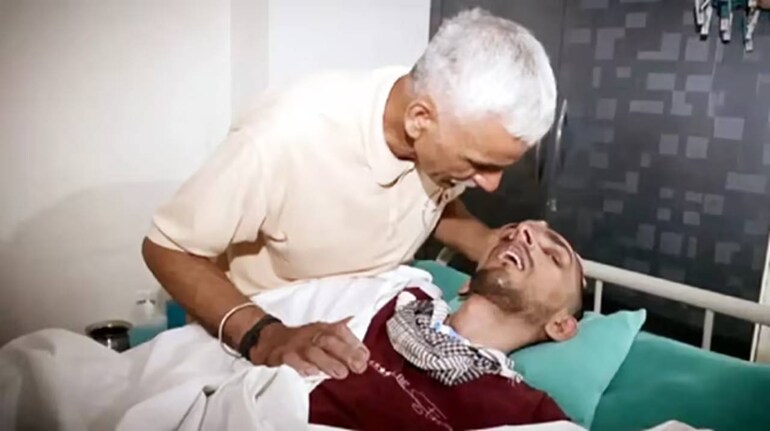
In Harish Rana’s case, the Court decided that it is in his best interests that the life-sustaining treatment that he currently receives (in the form of clinically assisted nutrition and hydration through a PEG tube) be withdrawn.
This demonstrates that other decisions relating to the withholding or withdrawal of life-sustaining treatment may also take place in accordance with the standard of best interests. Best interests include clinical considerations, i.e. determining whether the treatment is medically appropriate or not, as well as other factors, such as what the wishes or preferences of the patient would have been, and other moral, social and psychological considerations.
The directions in Common Cause (an earlier 2018 Constitution Bench judgment that laid the foundation) and as confirmed in Harish Rana v Union of India apply to patients diagnosed to be suffering from a terminal illness, or be in a permanent vegetative state or like conditions. Before deciding whether to withhold or withdraw life-sustaining treatment in such patients, they should be undergoing prolonged medical treatment for their illness or condition to demonstrate that the treatment is no longer temporary. Their ailment must also be irreversible, i.e. incurable or no hope of them being cured.
If life-sustaining treatment is being administered in a home setting, the Harish Rana judgment confirms that the guidelines in Common Cause can also be extended to them.
If the patient has made a valid advance medical directive, then the person or persons nominated in such directive to take decisions on behalf of the patient would be legally authorised.
If there is no such directive, the treating team and the patient’s next of kin/next friend/guardian will arrive at a decision in the best interests of the patient through a process of shared decision-making.
The implications of the judgment for the healthcare community are that they must be vigilant about offering and continuing medical treatment only in the best interests of the patient. Where a patient has decision-making capacity, they are bound to respect a refusal of medical treatment, no matter how irrational such a refusal may seem. There should be sensitisation sessions for doctors to help them understand their obligations under this and previous judgements.
The Common Cause guidelines require two sets of medical experts (Primary and Secondary Medical Board) to determine whether continuing medical treatment would be in the patient’s best interests or not. Hospitals will have to set up these Boards in order to carry out withholding/withdrawal.
It does not mean the right to die by suicide. It does not encompass euthanasia or assisted dying, at least in the Indian context. For patients with decision-making capacity, it means the right to refuse treatment, and for others, the right to be free of unwarranted medical interventions that violate their bodily integrity and dignity.
No, the Court has asked treating teams to ensure that there is a withdrawal plan in place, which also requires the positive provision of palliative and end-of-life care in order to ease the patient’s pain and suffering. The Court has firmly remarked that withdrawal of treatment should not mean the abandonment of the patient.
State Governments in the first instance, should carry out two actions:
1) Ensuring that Chief Medical Officers create and maintain a panel of registered medical practitioners who can serve on the Secondary Medical Board required by the Court
2) Appoint custodians to receive and store advance medical directives, and create a protocol that allows them to be authenticated. The Union Government has been urged to adopt comprehensive legislation on this issue.
It requires a change in the mindset of the medical community, many of whom value the preservation of life at all costs. It also requires the integration of palliative care into healthcare delivery and the training and sensitisation of doctors regarding withholding/withdrawing life-sustaining treatment and palliative and end-of-life care.
It also requires all operational protocols to be in place for doctors and hospitals to carry out the Common Cause guidelines as they were intended.
(Views are personal, and do not represent the stand of this publication.)
Discover the latest Business News, Sensex, and Nifty updates. Obtain Personal Finance insights, tax queries, and expert opinions on Moneycontrol or download the Moneycontrol App to stay updated!
Find the best of Al News in one place, specially curated for you every weekend.
Stay on top of the latest tech trends and biggest startup news.









