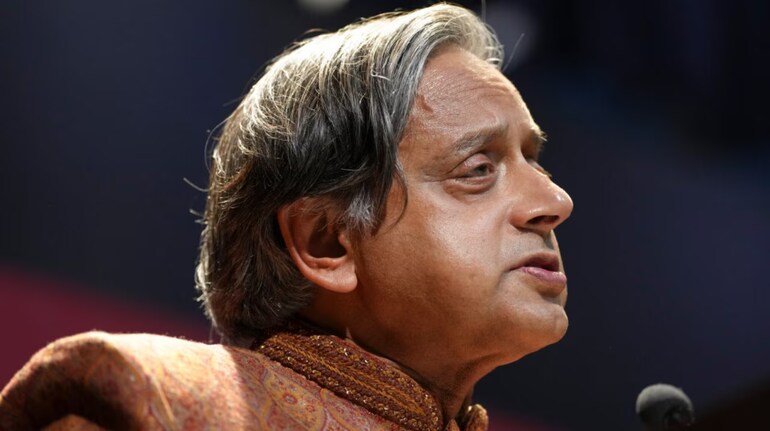

India is facing disruptions in oil and gas supplies from the Gulf region due to the ongoing West Asia conflict, with potential knock-on effects on the broader economy, Congress leader Shashi Tharoor said in an interview with ANI. He also called for diversifying energy sources and expanding trade agreements to mitigate the impact.
Tharoor said that if the conflict involving Israel and the United States on one side and Iran on the other continues for an extended period, India has limited options to cope with the disruption. The current round of conflict began on February 28.
“We can diversify sources of supply as long as the war lasts… We can also, in the broader sense, have more free trade agreements… For this particular crisis, we are… caught over a barrel… We don’t have a whole lot of options to cope with this if it drags on much longer,” Tharoor told ANI.
Supply disruptions begin to hit fuel availability
Tharoor, who is Chairman of the Parliamentary Standing Committee on External Affairs, said shipments of oil and gas from Gulf countries have been significantly affected.
According to him, oil, petrol and diesel supplies from Gulf producers, along with 60–80 percent of India’s LNG and LPG imports from countries such as Qatar, are now arriving in limited quantities.
“We are not able to receive it anymore, except in very small instalments. A couple of ships come, that’s one and a half days’ supply. So we are not able… to fuel our kitchens, our dhabas, our restaurants,” he said.
He added that the disruptions are already affecting economic activity, with potential spillovers into employment and consumption.
“If factories start slowing down, that affects employment, that affects purchases,” Tharoor said.
Crude price surge raises inflation concerns
Tharoor said international crude oil prices have risen sharply since the conflict began, moving from $64 per barrel to between $100 and $120.
“We’re looking at a very serious situation of petrol inflation, which in turn has a knock-on effect on everything that is transported by petrol,” he said.
He noted that while India has been able to increase purchases of Russian crude following sanctions relief for Indian companies, this does not address shortages in gas supplies.
“We are buying a lot of Russian oil. But that is not a solution yet on the gas front,” he said.
Government flags concern over attacks on energy infrastructure
Separately, India said attacks on energy infrastructure in the Gulf region are adding to global energy uncertainty.
Responding to media queries, Randhir Jaiswal, spokesperson for the Ministry of External Affairs, said such attacks are unacceptable and should cease.
“Recent attacks against energy installations… are deeply disturbing and only serve to further destabilise an already uncertain energy scenario for the whole world,” Jaiswal said during a weekly media briefing.
He added that India has consistently called for avoiding targeting civilian infrastructure, including energy assets, and emphasised the need for uninterrupted transit of goods and energy supplies.
India looks to diversify sourcing amid supply stress
Jaiswal said India is actively exploring alternative sources to meet domestic fuel demand, including sourcing LPG from multiple countries.
“We’re trying to buy LPG from everywhere, wherever it’s available… If Russia is available, we’ll go there too,” he said.
He added that India is already procuring oil from a range of sources, including Russia, and is seeking to maintain flexibility in sourcing amid the current disruptions.
Conflict escalates, energy routes under strain
The latest tensions in West Asia escalated on February 28, involving Israel and the United States on one side and Iran on the other, raising concerns over energy supply routes in the Gulf region.
The Gulf remains a key supplier of oil and gas to India, accounting for a majority share of its hydrocarbon imports. Disruptions in shipping routes and infrastructure in the region have historically had direct implications for India’s energy security and inflation trajectory.
India has, in recent years, increased imports of discounted Russian crude following geopolitical shifts and sanctions, while continuing to depend on the Gulf for gas supplies.
The government has also reiterated its position on ensuring uninterrupted global energy flows and avoiding escalation that could impact civilian infrastructure.
Discover the latest Business News, Sensex, and Nifty updates. Obtain Personal Finance insights, tax queries, and expert opinions on Moneycontrol or download the Moneycontrol App to stay updated!
Find the best of Al News in one place, specially curated for you every weekend.
Stay on top of the latest tech trends and biggest startup news.