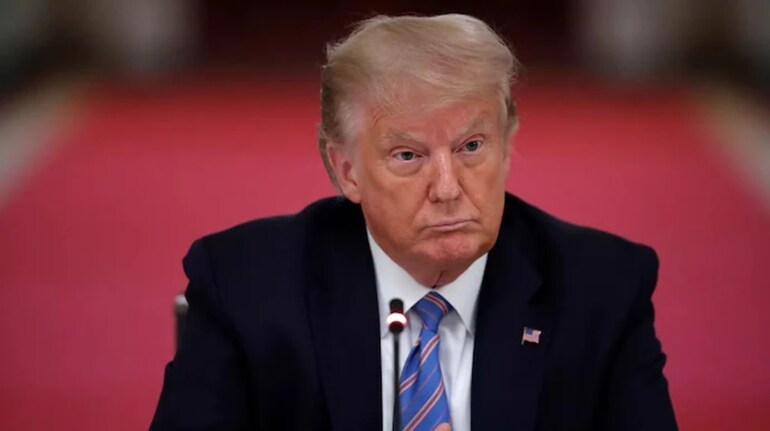
US President Donald Trump’s recent call with Ukrainian President Volodymyr Zelensky underscored a growing pattern in the administration’s foreign policy: the desire for public expressions of personal gratitude from US allies.
The official White House summary of the call mentioned four separate instances of Zelensky thanking Trump for his efforts to broker a ceasefire with Russia, also noting the Ukrainian leader’s appreciation for the president’s leadership. The emphasis on gratitude comes just weeks after a tense Oval Office meeting in which US Vice President JD Vance chastised Zelensky for not expressing thanks, and Trump himself remarked, “You’re not acting at all thankful.”
A shift in diplomatic norms
Trump’s approach represents a significant departure from traditional diplomatic etiquette, which typically keeps such expectations behind closed doors. While previous presidents have sought recognition for American contributions, public shaming or demands for personal deference were rare.
“It’s called respect,” said White House spokesman Harrison Fields. “Every US president should demand that from both allies and adversaries, especially when being asked to contribute billions of taxpayer dollars in their defence.”
But critics say the dynamic has turned US diplomacy into a performance of loyalty. "Trump treats our allies like subjects instead of acting like peers," said Kori Schake of the American Enterprise Institute. “What this signals is that in a strictly transactional global order, if you humble yourself in front of the American president, you can get what you want.”
Zelensky pressured, Russia spared
While Trump pressed Ukraine’s president for verbal gratitude, his call with Russian President Vladimir Putin made no mention of thanks. This contrast has raised questions about Trump’s treatment of allies versus adversaries.
Foreign leaders appear to be adjusting. NATO Secretary General Mark Rutte began a recent joint appearance at the White House by thanking Trump and crediting him for the alliance’s increased military spending. Irish Prime Minister Micheál Martin avoided direct thanks but instead praised Trump’s personal investment in Ireland, prompting the president to say, "I love this guy."
Trump allies follow his lead
Even members of Trump’s cabinet are echoing the president’s demands for gratitude. Secretary of State Marco Rubio recently clashed on social media with Polish Foreign Minister Radoslaw Sikorski over the Starlink satellite system provided by Elon Musk’s SpaceX to Ukraine. When Sikorski pushed back on Musk’s threats to withdraw service, Rubio retorted, "Say thank you because without Starlink Ukraine would have lost this war long ago."
Gratitude as leverage
Analysts say Trump’s emphasis on gratitude reflects his broader "dominance display" style of governance. "He approaches foreign policy like a protection racket," said Matt Duss of the Center for International Policy. "If you want protection, you have to show respect to the boss, and you’ve got to pay upstairs."
The diplomatic consequences remain to be seen. But with Trump asserting greater personal influence over foreign relationships, the line between alliance and allegiance is growing increasingly blurred.
Discover the latest Business News, Sensex, and Nifty updates. Obtain Personal Finance insights, tax queries, and expert opinions on Moneycontrol or download the Moneycontrol App to stay updated!
Find the best of Al News in one place, specially curated for you every weekend.
Stay on top of the latest tech trends and biggest startup news.