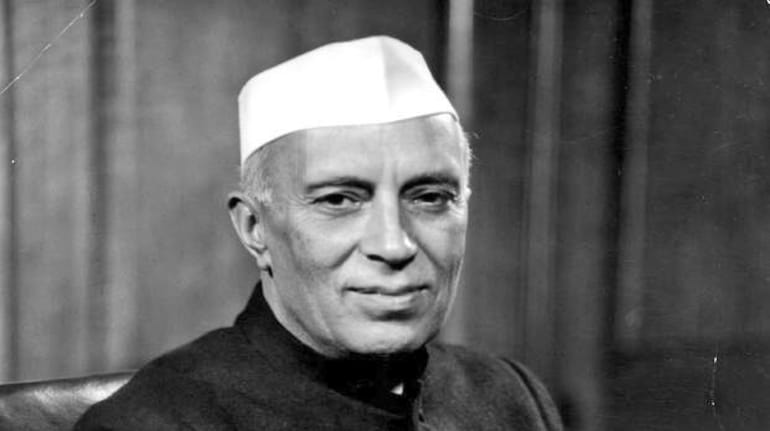
The Bharatiya Janata Party (BJP) has renewed its attack on Jawaharlal Nehru ahead of the Somnath Swabhiman Parv, citing a series of letters written by India’s first prime minister in 1950-51 that, it claims, show sustained opposition to the reconstruction and public inauguration of the Somnath temple.
At the centre of the BJP’s argument are at least 17 letters authored by Nehru to Indian constitutional authorities, Cabinet colleagues, chief ministers and even Pakistan’s prime minister, which the party says, reflect discomfort with the revival of the historic temple and anxiety over its domestic and international optics.
The letter to Pakistan PM Liaquat Ali Khan
The most politically charged document highlighted by the BJP is a letter dated April 21, 1951, written by Nehru to Pakistan Prime Minister Liaquat Ali Khan, addressing him as “Dear Nawabzada”.
अतीत में सोमनाथ को मोहम्मद गजनी और खिलजी ने लूटा लेकिन आजाद भारत में भगवान् सोमनाथ से सबसे अधिक नफरत पंडित नेहरू को थी।इसकी सबसे बड़ी बानगी देखिये कि पंडित नेहरू ने 21 अप्रैल 1951 को पाकिस्तान के प्रधानमंत्री लियाकत अली खान को "प्रिय नवाबजादा" कहकर संबोधित करते हुए पत्र लिखा और… pic.twitter.com/J34QlGmFy8 — Dr. Sudhanshu Trivedi (@SudhanshuTrived) January 7, 2026
According to BJP national spokesperson and Rajya Sabha MP Sudhanshu Trivedi, Nehru described reports about the reconstruction of Somnath and the return of its gates as “completely false”, and reassured Khan that “nothing of the sort was happening”.
“Instead of countering Pakistan’s propaganda or defending India’s civilisational memory, Nehru chose to appease Pakistan by downplaying historic symbols of Hindu faith,” Trivedi alleged.
Opposition to state participation
Several letters cited by the BJP show Nehru distancing the Government of India from the Somnath consecration ceremony held on May 11, 1951.
In a March 2, 1951, letter to President Rajendra Prasad, Nehru wrote that he “did not like” the President associating with the inauguration and felt the ceremony should have been delayed.
In correspondence with then Home Minister C Rajagopalachari, Nehru said he would have preferred that the President and Union ministers did not attend the event, warning of “bad consequences nationally and internationally”.
‘Pompous’, ‘revivalist’, and harmful abroad
Nehru repeatedly expressed concern that the ceremony would damage India’s secular image overseas.
In an April 28, 1951 letter to Information and Broadcasting Minister R R Diwakar, he asked that coverage of the consecration be toned down, describing the ceremony as “pompous” and saying it created “a bad impression abroad”.
पंडित जवाहरलाल नेहरू चाहते ही नहीं थे कि सोमनाथ मंदिर का जीर्णोद्धार हो। ये तो सब जानते हैं कि पंडित नेहरू ने न केवल कैबिनेट मंत्रियों बल्कि राष्ट्रपति डॉ राजेंद्र प्रसाद और उपराष्ट्रपति डॉ सर्वपल्ली राधाकृष्णन तक को पत्र लिख कर सोमनाथ मंदिर के पुनर्निर्माण की ज़रूरत पर सवाल… pic.twitter.com/kQlB8kx0ed — Dr. Sudhanshu Trivedi (@SudhanshuTrived) January 7, 2026
Letters written to chief ministers on May 2 and August 1, 1951, referred to the reconstruction as “revivalist” and argued that public association with the temple harmed India’s image in the world.
“The ceremonies worry me a great deal,” Nehru wrote in one of the letters cited by the BJP.
The BJP also points to letters where Nehru instructed Indian embassies and officials not to assist the Somnath Trust.
In an April 17, 1951, letter to the foreign secretary, Nehru directed that Indian missions abroad should “not pay the slightest attention” to requests for sacred river water for the consecration.
A March 19, 1951, communication concerning the use of Indus water for rituals conveyed that such requests did not have his approval and should attract “no publicity under any circumstances”.
Summing up the party’s position, Trivedi said, “Somnath was plundered by Mahmud Ghazni and Alauddin Khilji in the past. But in independent India, Pandit Nehru harboured the greatest hostility towards Lord Somnath.” He accused Nehru of practising “blind appeasement politics” and applying secularism selectively when Hindu religious revival was involved.
The BJP’s fresh push comes ahead of Somnath Swabhiman Parv, marking 1,000 years since the first attack on the temple. Prime Minister Narendra Modi is scheduled to visit Somnath on January 11.
In a blog post released Monday, PM Modi recalled that Sardar Vallabhbhai Patel had championed the temple’s reconstruction after Independence, and noted that Nehru was “not too enthused” by the development.
“He did not want the President and ministers to associate with this special event, saying it created a bad impression of India,” PM Modi wrote.
Despite Nehru’s reservations, President Rajendra Prasad presided over the inauguration in 1951, a moment the BJP now frames as a symbol of civilisational resilience and political defiance.
Discover the latest Business News, Sensex, and Nifty updates. Obtain Personal Finance insights, tax queries, and expert opinions on Moneycontrol or download the Moneycontrol App to stay updated!
Find the best of Al News in one place, specially curated for you every weekend.
Stay on top of the latest tech trends and biggest startup news.