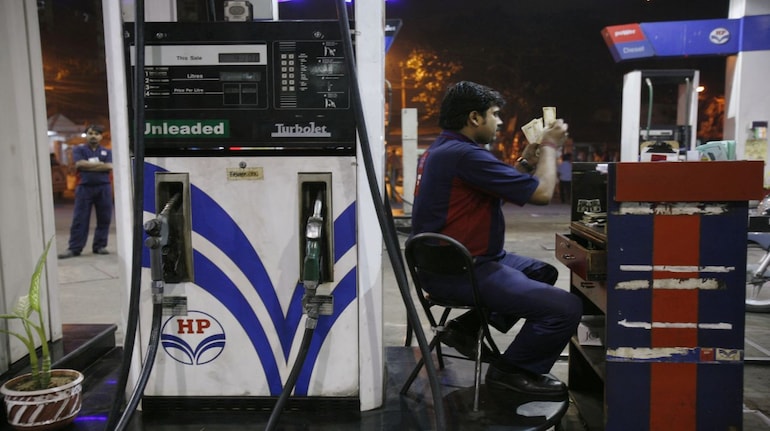
The government is considering further relaxing the norms for setting up petrol pumps in India, the world’s fastest-growing fuel market, as part of its evolving energy security strategy and commitment to decarbonisation, according to an official.
The Ministry of Petroleum and Natural Gas has appointed an expert committee to review the 2019 guidelines for granting authorisation to market transportation fuels. The panel will assess whether the current framework is effective, suggest ways to align it with the push for alternative fuels and electric mobility, and address implementation issues.
Who’s on the panel
The four-member committee is headed by Sukhmal Jain, former Director (Marketing) at Bharat Petroleum Corporation Ltd (BPCL). Other members include:
P Manoj Kumar, Director General, Petroleum Planning and Analysis Cell (PPAC)
PS Ravi, representative from the Federation of Indian Petroleum Industry (FIPI)
Arun Kumar, Director (Marketing), Ministry of Petroleum and Natural Gas
An August 6 notice invited comments and suggestions from stakeholders and the public within 14 days.
How norms have changed
Until 2019, companies seeking a fuel retail licence had to invest or commit Rs 2,000 crore in oil exploration, refining, pipelines or LNG terminals.
The 2019 reforms reduced this requirement, allowing:
Net worth of Rs 250 crore to sell petrol and diesel in the retail market (with a mandate to set up at least one alternative fuel infrastructure such as CNG, LNG, biofuels or EV charging within three years)
Net worth of Rs 500 crore to sell to both retail and bulk consumers
Retail licence holders must establish at least 100 outlets, with 5% of them in rural areas within five years.
Why the review matters
Global energy majors have long been eyeing the Indian fuel retail space, but state-run oil marketing companies still dominate the market of 97,804 petrol pumps.
Indian Oil Corp (IOC) leads with 40,666 outlets
BPCL has 23,959
HPCL has 23,901
Private players such as Reliance-BP, Nayara Energy, and Shell have a smaller footprint, though interest from global giants remains strong. TotalEnergies with Adani, BP with Reliance, Puma Energy, and Saudi Aramco have all explored entry or expansion.
Current market share
Reliance-BP operates 1,991 outlets, Nayara runs 6,763, and Shell has just 355. By contrast, state-owned companies control the lion’s share of the market.
A further easing of norms could open the field to more domestic and foreign companies, potentially intensifying competition and accelerating the rollout of alternative fuel infrastructure.
(With inputs from PTI)
Discover the latest Business News, Sensex, and Nifty updates. Obtain Personal Finance insights, tax queries, and expert opinions on Moneycontrol or download the Moneycontrol App to stay updated!
Find the best of Al News in one place, specially curated for you every weekend.
Stay on top of the latest tech trends and biggest startup news.