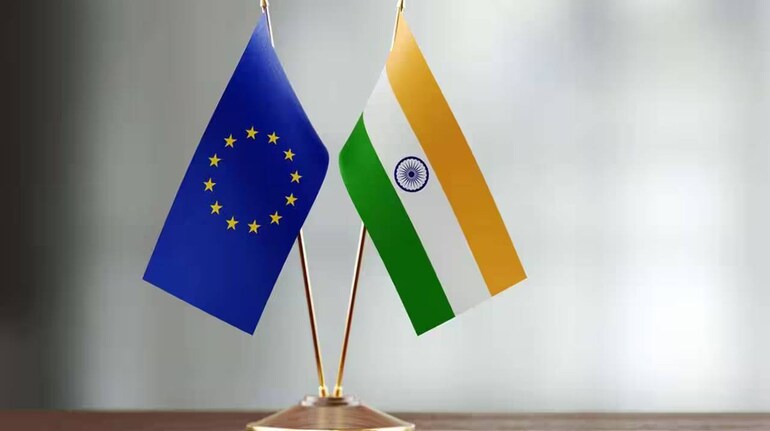
India and the European Union have successfully concluded the India-EU Free Trade Agreement (FTA), billed as the “mother of all deals”, amid the backdrop of a fractious global environment and trade disruptions largely due to Washington’s policy on tariff.
The India-EU FTA is projected to add Rs 6.4 lakh crore to India’s exports to the European Union, while opening up EU markets for Indian MSMEs, manufacturers, farmers and professionals. It proposes eliminating 9,425 tariff lines, boosting market access for labour-intensive sectors such as textiles, apparel, leather, gems and jewellery, handicrafts, tea, spices and marine products, as well as high-tech exports including engineering goods, electronics, pharmaceuticals and medical devices.
With the benefits expected to be widespread, here’s how the states are expected to gain from the trade deal –
Maharashtra
Maharashtra will see strong demand from EU markets translate into stronger orders across both scale manufacturing and MSMEs.
As tariffs on 99.6% of exports fall to zero -- textiles from 12% and electronics from 14% -- clusters such as Ichalkaranji’s garment manufacturers and Pune’s engineering, electronics and pharma sectors stand to expand orders and deepen integration with EU supply chains. Pharmaceutical exports from Thane-Raigad and gems and jewellery from Mumbai are also set to benefit, driving employment across labour-intensive and high-value manufacturing segments.
Gujarat
Gujarat gains through its export-led industrial belt where large anchors and MSME vendors operate in the same supply chains.
Surat is set to expand textiles, diamonds and jewellery, while Bharuch-Vadodara can scale chemicals with tariffs falling from 12.8% to 0% on 97.5% of chemicals exports to EU. Rajkot, meanwhile, is likely to benefit through surge in export of engineering goods and electronics, and Veraval through higher marine exports that support coastal livelihoods and processing units.
Tamil Nadu
Tamil Nadu stands out for immediate upside in labour-intensive clusters that are already globally competitive.
Apparel exports from Tiruppur are set to become far more competitive with textile tariffs falling from 12% to zero, while leather and footwear exporters in the Vellore–Ambur belt will benefit from a sharp reduction in duties from 17% to zero in the EU market. At the same time, engineering goods and electronics manufacturing corridors in Chennai and Coimbatore are expected to expand exports, strengthening the entire value chain from MSME suppliers to large manufacturers.
West Bengal
West Bengal is set to see benefits that connect directly to livelihoods in tea, coastal production, and crafts.
North Bengal can strengthen exports of Darjeeling tea, building on preferential access to European markets. Seafood exports from Digha and Haldia such as shrimp and frozen fish which currently attract as high as 26% tariff will see preferential access to EU markets. Traditional handicrafts will gain from improved access, supporting small producers and local value addition.
Assam
Assam sees a direct pathway for farmers and artisans into premium EU markets, with strong potential for brand-led exports. Dibrugarh-Jorhat tea exports can expand, while Upper Assam spices gain from improved access and better price realisation.
Barpeta and Nalbari are positioned to scale bamboo-based furniture and handicrafts, and niche pharmaceutical exports also get a lift through more predictable market entry.
Kerala
Kerala stands to benefit through high-demand food and spice categories that are closely tied to farmer and fisher incomes.
Kochi and Alappuzha can expand shrimp and tuna exports through preferential access to EU markets supporting processing units and port-linked logistics. Idukki and Wayanad gain through spices like pepper and cardamom which will benefit from increased access to wider EU market.
Karnataka
Karnataka is well placed to convert preferential access into growth across advanced manufacturing and export services linkages. Export momentum is expected from Bengaluru–Tumakuru in engineering goods, electronics and pharmaceuticals, supported by a strong ecosystem of component and ancillary MSMEs.
Bengaluru’s apparel exporters also stand to gain, helping job creation in labour-intensive manufacturing alongside high skill sectors.
Andhra Pradesh
Andhra Pradesh is poised for strong gains from its coastal export economy, as EU demand lifts volumes and value addition.
Visakhapatnam and Kakinada are expected to record a surge in shrimp and seafood exports, creating jobs in fisheries, processing and cold-chain segments, while Visakhapatnam’s pharma and electronics exports are also set to expand.
Telangana
Telangana benefits through a balanced profile of textiles and advanced manufacturing sectors. Hyderabad-Warangal can expand textile and apparel exports, supporting MSMEs and factory employment in labour-intensive units.
Hyderabad is also positioned to grow exports of pharmaceuticals, electronics, medical devices and engineering goods, reinforcing the state’s role in high-value global supply chains.
Punjab
Punjab gains through clusters where MSMEs dominate and employment intensity is high. Ludhiana can expand garments and knitwear exports, while Jalandhar is poised to push sports goods deeper into EU markets. Mandi Gobindgarh’s light engineering units also stand to benefit, strengthening industrial jobs and ancillary supply chains.
Rajasthan
Rajasthan gains through labour-intensive craft and manufacturing clusters that are export-ready but often constrained by market access.
Jaipur jewellery exports are expected to rise, while Jodhpur can expand wooden furniture and handicrafts with stronger EU reach. Churu sports goods, textiles such as Bandhej, and leather goods also stand to gain, spreading benefits across MSMEs and artisan communities.
Uttar Pradesh
Uttar Pradesh is among the biggest potential job multipliers because of its large labour-intensive base in leather and crafts.
Leather footwear exporters in Kanpur and Agra can scale up shipments, while Saharanpur benefits through furniture and handicrafts exports. Noida’s electronics manufacturing and Western UP’s agri-products also gain, widening the state’s export basket.
Taken together, the India-EU FTA emerges as a state-level growth opportunity to scale India’s most competitive export ecosystems. The agreement opens up a clear growth runway for labour-intensive industries -- ranging from textiles and apparel to leather, gems and jewellery, sports goods and handicrafts -- while simultaneously expanding markets for agriculture-linked exports such as tea, spices and marine products.
Discover the latest Business News, Sensex, and Nifty updates. Obtain Personal Finance insights, tax queries, and expert opinions on Moneycontrol or download the Moneycontrol App to stay updated!





Find the best of Al News in one place, specially curated for you every weekend.
Stay on top of the latest tech trends and biggest startup news.