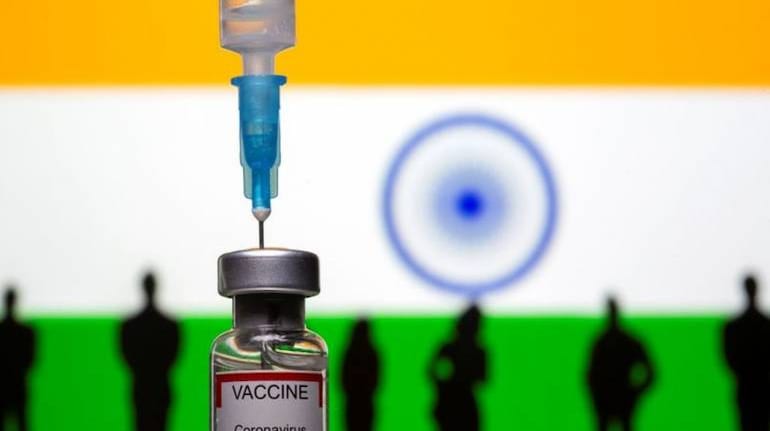
Despite rolling out a ‘liberalised vaccine policy’ from May 1, it is the Centre which is fixing the allocation for jabs for the 18-44 age group for state governments.
This when it is the states who are paying for the vaccine for this age group and procuring stocks directly from the two main vaccine manufacturers in India.
Many state governments are blaming the shortage of vaccines in the 18-44 category on this central government intervention.
Global tenders a flop
In addition, the states’ global tenders for vaccines have proved to be a flop show with no major manufacturer, besides Sputnik V, showing any real interest.
The high prices being cited are acting as a dampener and making it virtually impossible for states to go ahead with the exercise.
A senior Rajasthan government official told News18: “We have bought Covishield at Rs 300 per dose and Covaxin at Rs 400 per dose but a high price of nearly Rs 1,000 is being cited by certain distributors for Sputnik V and other global vaccines in response to our tenders. At a time when many opposition-ruled states are demanding GST waiver on the vaccines being supplied to us by the Serum Institute and Bharat Biotech as the extra charge is stretching our budget, paying such high prices is not feasible. We want the Centre to directly deal with global manufacturers and procure vaccines for us.”
What’s worse, despite the states paying for vaccine orders with manufacturers for the younger age group, the monthly allocation is being determined by the Centre.
Centre's directive
Last week, the central government informed all states that they would get about 4.8 crore vaccines in all from the two manufacturers for the 18-44 group till the end of June and the state-wise allocation based on their population was specified to them.
“There are limited production capacities of the two manufacturers till July and hence to ensure that every state gets an equitable share based on its population of the 18-44 age group, the Centre has intervened to fix allocation quotas,” a senior official in the Union Health Ministry said.
The move has angered many states who question the Centre’s intervention in what is a direct transaction between them and the manufacturers.
“States like UP and MP are getting the most stocks,” an official in the Chhattisgarh government said.
Many others like Delhi, Rajasthan and Maharashtra have run out of stocks for the 18-44 category and have halted the exercise for this week before fresh stocks arrive in June.
Many states have complained that they have released advance payments to manufacturers but are still not getting enough jabs.
“The Centre has no right to fix the state-wise allocations for the 18-44 category, unlike in the case for the 45-plus age category where it was supplying vaccine stocks for free to the states. This only means that even if a state has the resources to pay for and place bigger orders with the manufacturers with the intention to vaccinate its 18-44 population quickly, it will not be allowed to do so as the Centre is fixing the allocation based on the population,” a senior official in the Delhi government told News18.
Global manufacturers
States like Delhi and Punjab who tried to open a new route for vaccines by speaking directly with global manufacturers, have been told by both Pfizer and Moderna that they would deal only with the Centre and not the state governments.
The speed of the vaccination exercise in the 18-44 group is slow at about 1.38 crore jabs so far, since it began on May 1.
In comparison, nearly 3.7 crore people in the 45-60 age category were vaccinated in the first 26 days of April once inoculation was opened for all between the age of 45-60, showing that the rollout for that age-group was much faster.
There is also a wide disparity in the vaccination numbers for the 18-44 age group among states. Bihar leads the chart with 15.27 lakh doses followed by Uttar Pradesh at 15.14 lakh jabs and Rajasthan at 14.91 lakh.
However, some big states like Maharashtra have been allocated only 7.8 lakh vaccine doses so far. Tamil Nadu is way behind at 4.1 lakh shots while Telangana has only been given 4,084 jabs so far to those in the 18-44 group.
“This is the reason why the Centre has intervened to reduce this disparity and ensure that vaccination jabs are given in states to 18-44 age-groups in proportion to their population. The Centre is coordinating with the states and the manufacturers in this regard,” a Union Health Ministry official has told News18.
Discover the latest Business News, Sensex, and Nifty updates. Obtain Personal Finance insights, tax queries, and expert opinions on Moneycontrol or download the Moneycontrol App to stay updated!

Find the best of Al News in one place, specially curated for you every weekend.
Stay on top of the latest tech trends and biggest startup news.