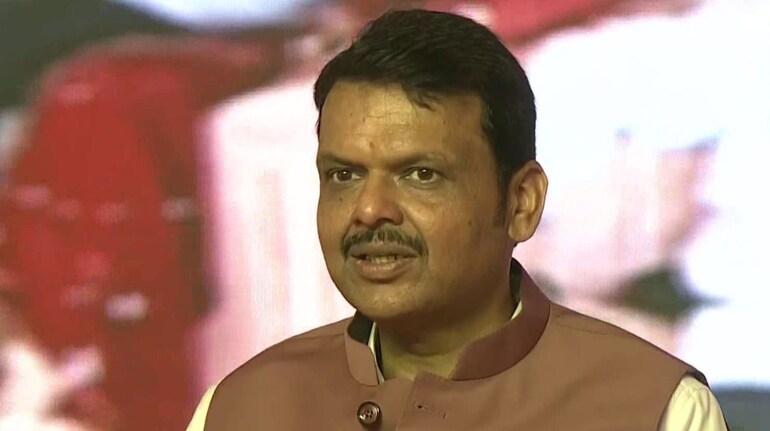
Maharashtra Chief Minister Devendra Fadnavis on Wednesday directed the formation of an authority for the 2027 Simhastha Kumbh Mela in Nashik-Trimbakeshwar, underscoring the use of artificial intelligence (AI) to manage crowd, officials said on Wednesday.
During the day, Fadnavis chaired a review meeting here on the preparations for the mega religious gathering. Nashik Divisional Commissioner Pravin Gedam made a presentation on the observations of a team from the state that visited the Maha Kumbh in Prayagraj, an official release said.
Fadnavis instructed officials to establish a legal framework for a dedicated authority for the Simhastha Kumbh Mela, which will be held in 2027, to ensure smooth coordination among departments and accelerate project execution, it said.
“There is a need for infrastructure planning, considering a crowd four to five times larger than the previous Simhastha Kumbh. Plans should include crowd management, expansion of ghats, roads, and railway and air connectivity,” the statement said, quoting the CM.
The Nashik-Trimbak road will be widened to 24 metres, and a tent city will be set up along the route, Fadnavis said at the meeting. The possibility of constructing a road along the Godavari river will also be explored through drone surveys.
The CM directed the use of AI-based technology for real-time crowd monitoring, traffic regulation, and surveillance, the release said.
Digital exhibitions on the history and significance of the religious event will be set up at high-footfall areas to engage pilgrims. A competition to design a logo for the event was also proposed, said the statement.
It was also decided to analyse the data concerning the 2015 Kumbh data to improve planning. Continuous water flow in Godavari should be ensured so pilgrims can bathe in clean water. Provisions for land acquisition for the “Sadhu Gram”, health centres, fire safety, and public address systems were also discussed, the statement said.
Pilgrims are expected to arrive via Mumbai, Jawhar in Palghar district, Gujarat, Chhatrapati Sambhajinagar, Shirdi, Dhule, and Pune for the mega congregation.
Roads on these routes will be strengthened, and parking facilities will be set up to keep Nashik city vehicle-free during the event. Electric buses will transport pilgrims from parking areas to the city every three minutes, it said.
“Additional airport facilities will be created at Shirdi and Ozar to handle increased flights, and the feasibility of helipads in Nashik will be assessed. The railways will coordinate (with the authorities concerned) to improve facilities at Nashik Road, Igatpuri, and Kasara stations,” it said.
Fadnavis called for developing religious corridors connecting Nashik with nearby pilgrimage sites like Trimbakeshwar, Shirdi, Vani, Shani Shingnapur, and Mangi-Tungi, it said.
The Ram Kaal Path project in Nashik will be completed by next year, and beautification efforts for Kushavarta and other sacred water bodies in Trimbakeshwar will be undertaken. Unauthorised structures around Nashik and Trimbakeshwar temples will be removed, the statement said.
Water Resources Minister Girish Mahajan, who also attended the meeting, stressed the importance of public participation and workforce training for effective Kumbh management, the release said.
Artificial intelligence-driven solutions will be used for crowd control, and personnel working during the Kumbh will receive specialised training, it added.
Meanwhile, the 45-day Maha Kumbh festival in Prayagraj is set to conclude on Wednesday. According to the Uttar Pradesh government, over 60 crore pilgrims took a holy dip at Sangam, the confluence of the Ganga, Yamuna and mythical Saraswati during the mega religious event.
Discover the latest Business News, Sensex, and Nifty updates. Obtain Personal Finance insights, tax queries, and expert opinions on Moneycontrol or download the Moneycontrol App to stay updated!





Find the best of Al News in one place, specially curated for you every weekend.
Stay on top of the latest tech trends and biggest startup news.