- By Jai Samota
In 1960, the Indian Army was given responsibility for the northern borders. This resulted in the induction of the 114 Infantry Brigade, which included the 7 J&K Militia under Lt Col RM Banon and the 14 J&K Militia under Lt Col Nihal Singh. The 1/8 Gorkha Rifles, led by Lieutenant Colonel Hari Chand, MVC, became the force’s third battalion in April 1961. These battalions were assigned to three different areas. The 14 J&K Militia oversaw the area north of the Galwan River. The 1/8 Gorkhas were responsible for the area between Galwan and Chushul, while the 7 J&K Militia were given charge of the southern territory, consisting of the Indus Valley.
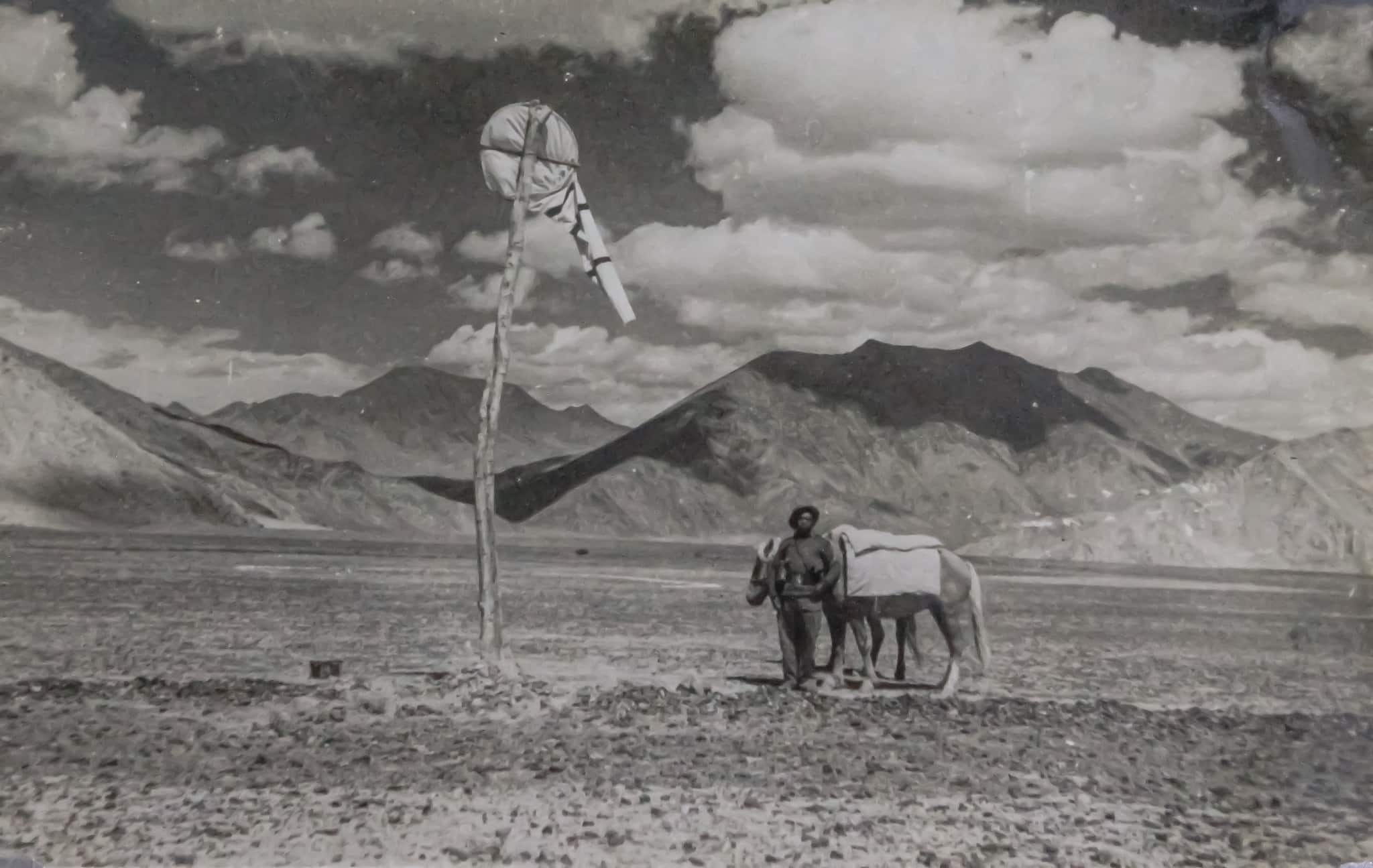
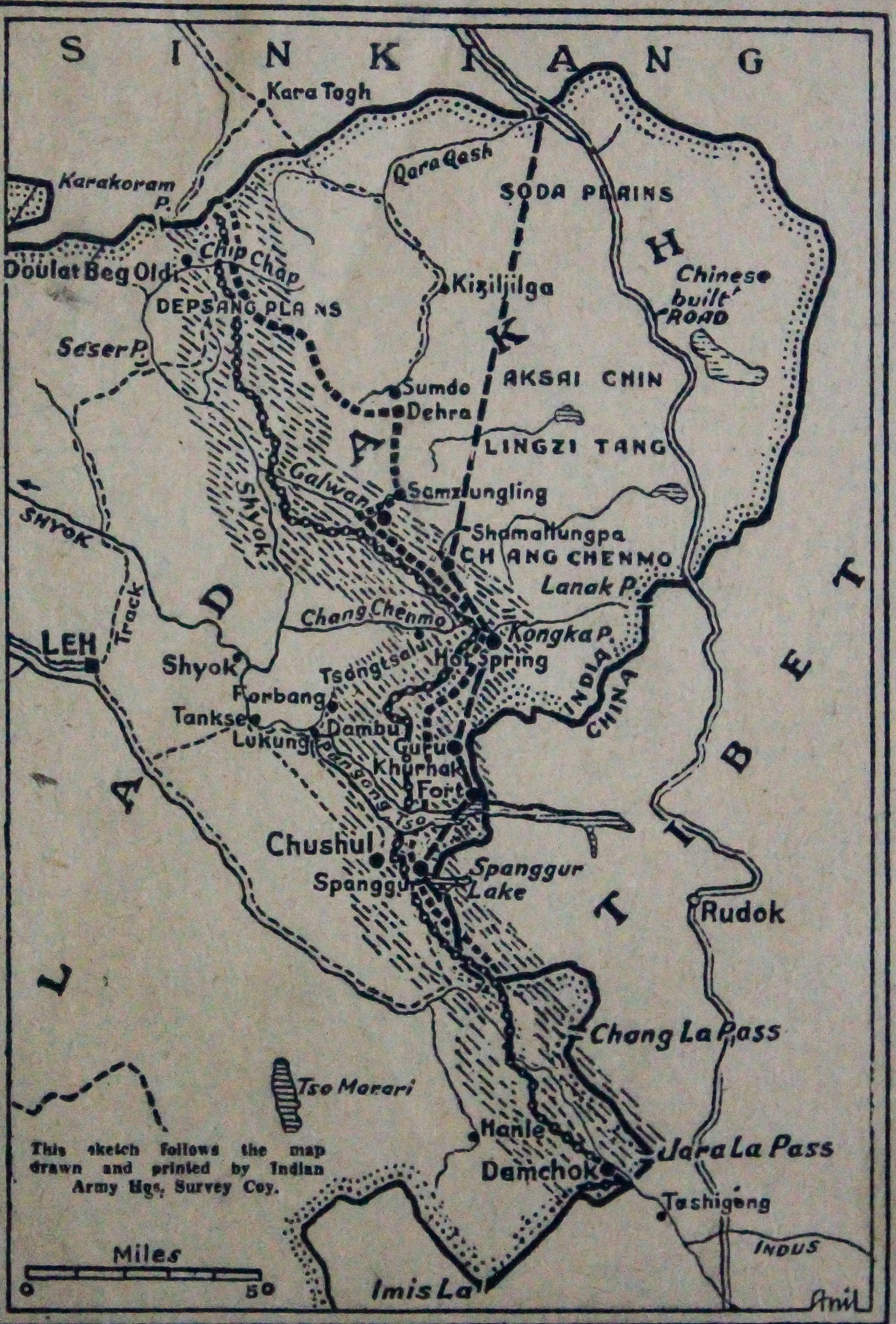
In April 1961, a platoon of the 14 J&K Militia was tasked with establishing a post at Daulat Beg Oldie (DBO), also referred to as the “Gateway to Hell” by old traders. It was located 16 kilometres southeast of the Karakoram Pass. Survival in this region was extremely challenging due to the terrain and severe weather conditions, even before the enemy arrived. In those days, Ladakh’s connectivity was poor, with only a jeepable road linking Chushul and Leh. Air supply was the only means of keeping posts operational.
At the early stage of 1962, Ladakh had only four battalions — 1/8 Gorkha Rifles, 14 J&K Militia, 7 J&K Militia, and 5 Jat led by Lt Col Bakhtawar Singh, which was inducted from Uri in April 1962, along with a platoon of 1 Mahar (MMG). These four battalions covered a front of 480 kilometres from DBO in the north to Demchok in the south.
Northern Sector
In addition to the 14 J&K Militia, C Company of 5 Jat was also deployed in the DBO sector. On the north and south banks of the Chip Chap River, nine posts were established, and five posts were set up opposite Murgo and Sultan Chushku. Every post had only 5 to 25 men.
Post 1 was named Chandni and had platoon strength as well as a 3-inch mortar section. Posts 2, 3, 4, 5, 7, and 14 had platoon strength (around 30 men), while the remaining posts had sections of 10–11 men. The average distance between each post was 2–3 kilometres, but Post 14, named Jyotish, was 12 kilometres away from any other Indian post.
All posts were equipped with small arms and limited ammunition compared to the enemy.
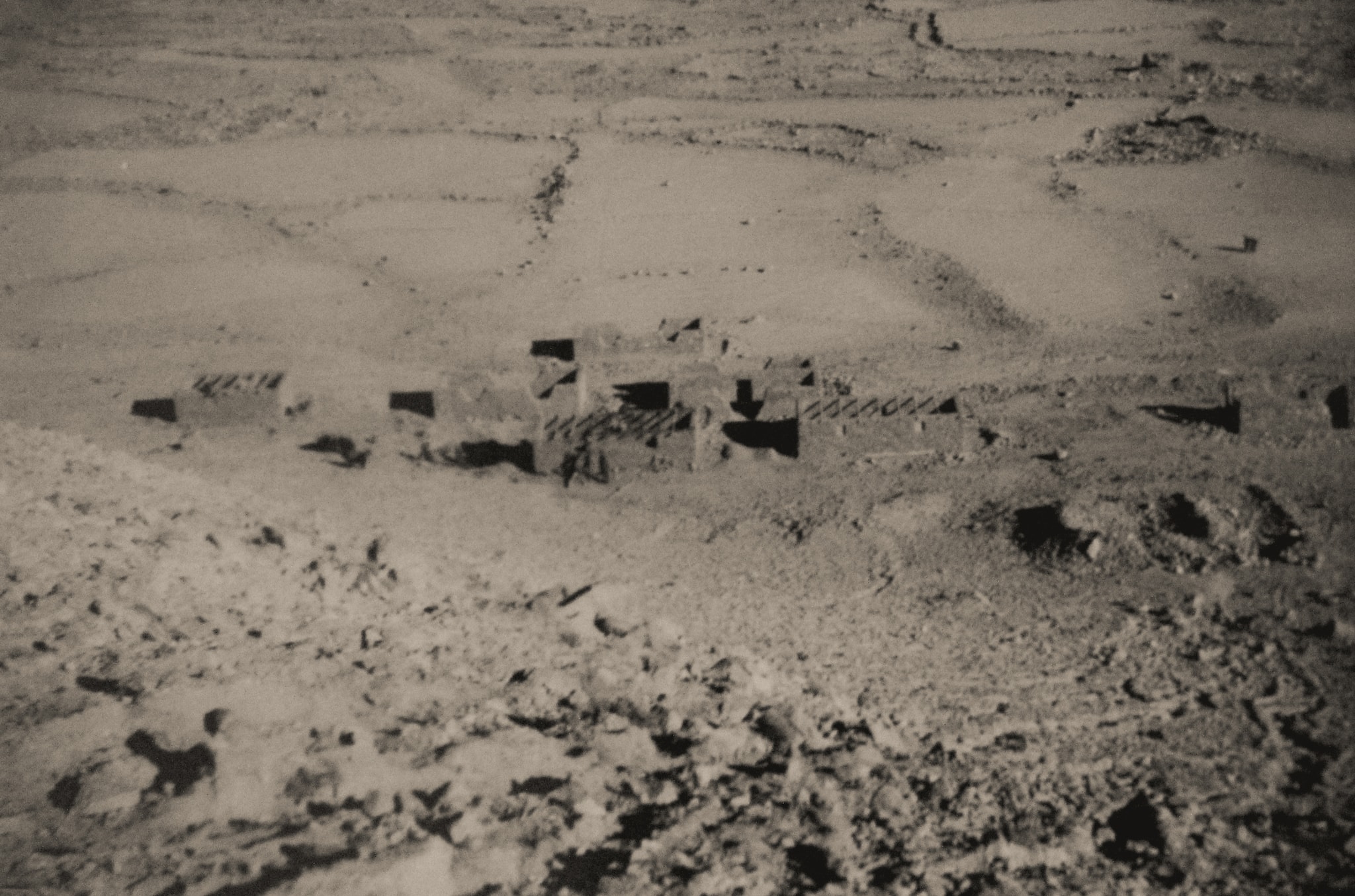
On the eve of the war’s first day, the Chinese began gathering and bringing in heavy weaponry. At Qizil-Jilga, they had a regiment with two attacking units and one reserve. Posts 5 and 9 were attacked simultaneously on October 19 at around 11 pm.
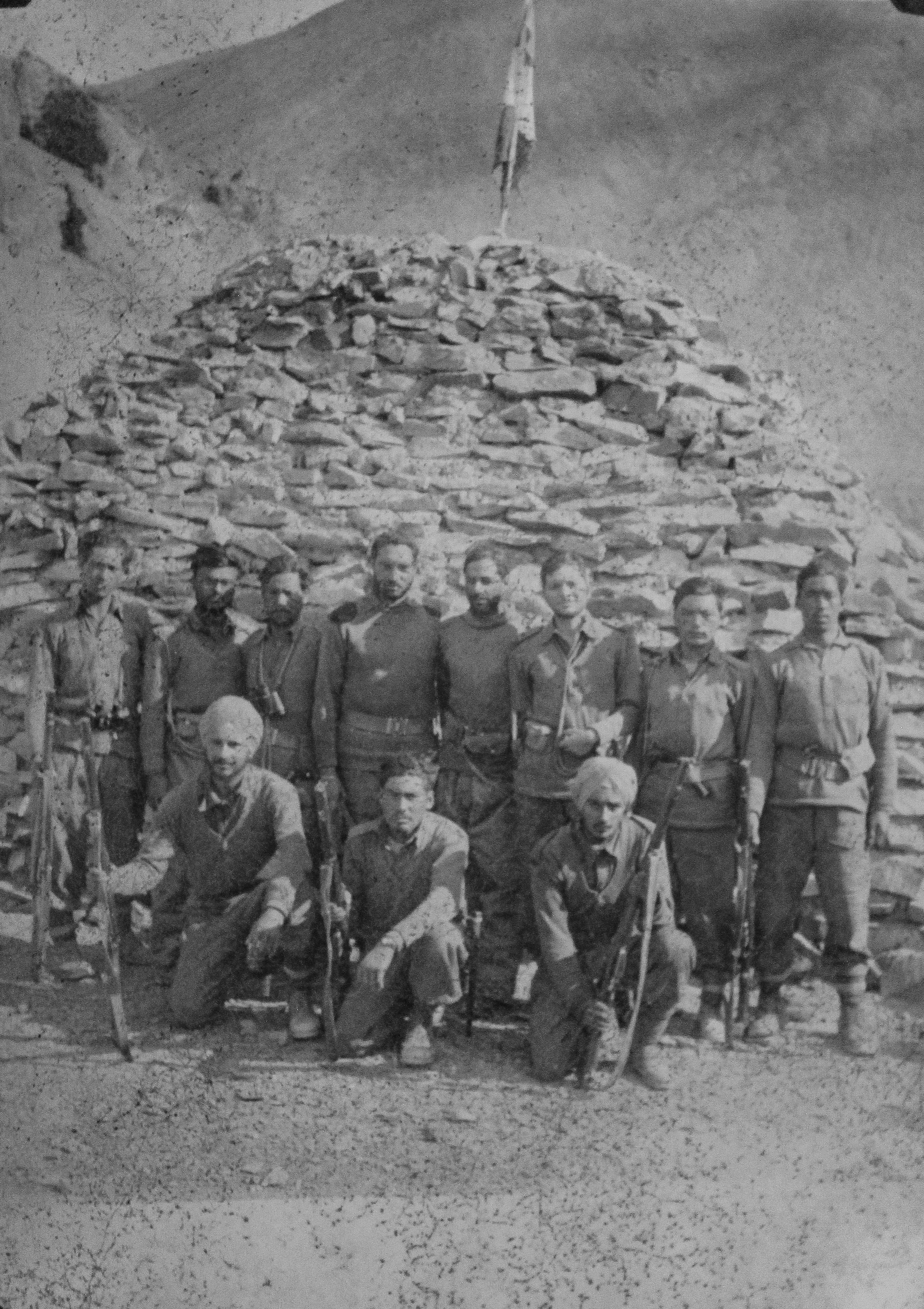
Post 5 (named Pramodak) was the smallest post in the sector, with only four men under Havildar Tulsi Ram. It was attacked by two Chinese companies, but due to its altitude, the men held the post until the Chinese began shelling. Except for the non-commissioned officer (NCO), who decided to continue firing the machine gun, all four men died. As his ammunition ran out, Havildar Tulsi Ram slipped away with his gun and moved downwards to DBO. He was later awarded the Vir Chakra (VrC). Pramodak fell.
Post Takkar, located at a height of 18,000 feet, was commanded by Subedar Dewan Chand. The Chinese launched a comprehensive assault, and men on the post were instructed to retreat under his leadership. The next day, Subedar Dewan Chand faced another attack, this time on the north flank, but with only ten men, he drove back a Chinese patrol of nearly 30. Later, the Chinese used mortars and medium machine guns for another major assault. Though repelled again, his position became untenable, and he was ordered to withdraw a few miles southeast. Subedar Dewan Chand demonstrated extraordinary courage and leadership, earning the Vir Chakra.
Post 9 was manned by 11 men from the 14 J&K Militia under Company Havildar Major Anant Ram. The post came under heavy mortar and MMG fire, and the Chinese inflicted significant damage from beyond Indian weapon range. After an hour of shelling that killed four soldiers, the Chinese infantry surrounded the post. Hav Anant Ram and his remaining men managed to break through, inflicting heavy casualties on the Chinese. He was awarded the VrC for his bravery.
On October 20, Posts 5 and 9 fought until dawn. The Chinese occupied Post 5, cutting off withdrawal and supply routes. Around 2:30 am, they attacked Posts 2 and 3 manned by the Jats, but after a stiff fight, the men withdrew to Post 4.
Post 1 (Chandni), on high ground, was difficult to capture but became isolated. Manned by Subedar Sonam Stopdhan and 25 soldiers of the 14 J&K Militia, it faced heavy shelling and a large infantry assault on October 20. Captain Raja Amrithalingam of AMC continuously aided the wounded. Major Shardul Singh Randhawa, officiating commander of DBO, tried to send reinforcements, but Chinese control made it impossible. After repelling three assaults, Chandni was eventually overrun, and all soldiers were killed. Major Randhawa emotionally informed Brigade Major Jagjit Singh: “Chandni khatam ho gayi. Chandni jal gayi.” Subedar Stopdhan was awarded the Maha Vir Chakra, while Captain Amrithalingam, Sepoys Chiring, Wangchuk, and Phunchok received the VrC.
Post Bhujang, held by 15 men under Jemadar Rigzin Phunchok, suffered heavy shelling before infantry attacks. Vastly outnumbered, only a few survived. Hav Saroop Singh, killed in action, was awarded the MVC.
The Chinese heavily bombarded all posts, eliminating most on Chip Chap’s northern bank. Only Post 4 resisted. By October 20 evening, the Chinese shelled Post 4 (around 40 men). Major Randhawa ordered a return to DBO, but only a few made it back due to the darkness.
By this time, only the DBO post—holding 125 men—remained intact. It maintained contact with the 114 Brigade. Other posts, including Jodha and 10, fell in subsequent days. By October 21, 18 Indian posts had fallen. A strategic withdrawal was ordered via the Gapshan-Shyok-Saser Brangsa route. Equipment was destroyed before retreat. Jemadar Bhimu Kamble’s platoon of 1 Mahar refused to destroy their guns and carried them through enemy fire, showing remarkable courage.
After the retreat, troops reached Saser Brangsa, where casualties were evacuated by helicopter, and supplies were air-dropped. There was no further fighting in DBO until the ceasefire on November 21. The troops’ grit and endurance under extreme conditions remain among the most heroic episodes of the war.
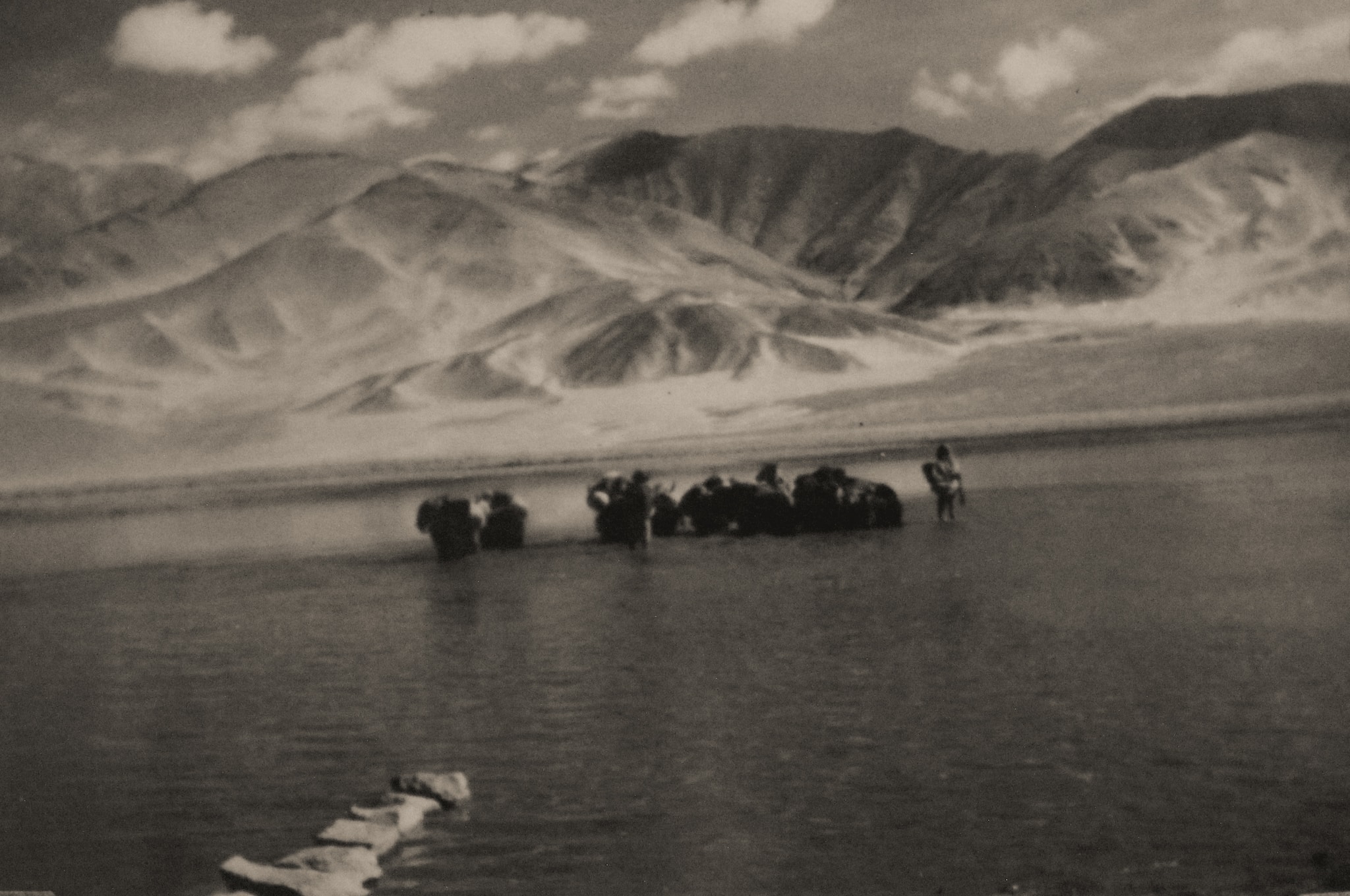
Southern Sector: The Indus Valley
The Indus Valley, south of Chushul, was strategically significant as it connected Chushul to Dungti and Demchok. Lt Col RM Banon, CO of 7 J&K Militia, led the sector’s defence. The unit HQ was at Koyul, with company strength at Dungti and small posts along the passes. On October 27, the Chinese began attacks mirroring their northern strategy.
Chang La Post
Commanded by Jemadar Ishe Tundup with 17 men, the post faced a fierce assault on October 27. Despite being heavily outnumbered, the troops held their ground until ammunition ran low. Hav Satingian Phunchok, the 2IC, fought to the end before being overpowered. Jemadar Tundup ordered his men to retreat while he covered them with LMG fire, sacrificing his life in the process. Both were awarded the Mahavir Chakra.
Jara La Post
Seventeen men under an NCO faced over 300 Chinese soldiers who surrounded the position. Signalman Dharam Chand Dhilan continued fighting even after his set was destroyed. Presumed killed, he was awarded the VrC posthumously—but later returned alive as a POW. Sepoy Sonam Rabgais, who fought till death, also received the VrC.
Most troops withdrew successfully to Koyul by October 28.
The J&K Militia’s deeds remain largely unsung. Their courage, endurance, and sacrifice across the 1962 operations brought honour to their units and the Indian Army.
Mr Jai Samota is a writer and researcher from Rajasthan. He is the author of the only biography of Major Shaitan Singh, PVC, and has extensively studied the battles fought in the Ladakh sector during the 1962 war. His research interests also extend to the State Forces units of the pre-independence era.

Discover the latest Business News, Sensex, and Nifty updates. Obtain Personal Finance insights, tax queries, and expert opinions on Moneycontrol or download the Moneycontrol App to stay updated!
Find the best of Al News in one place, specially curated for you every weekend.
Stay on top of the latest tech trends and biggest startup news.