






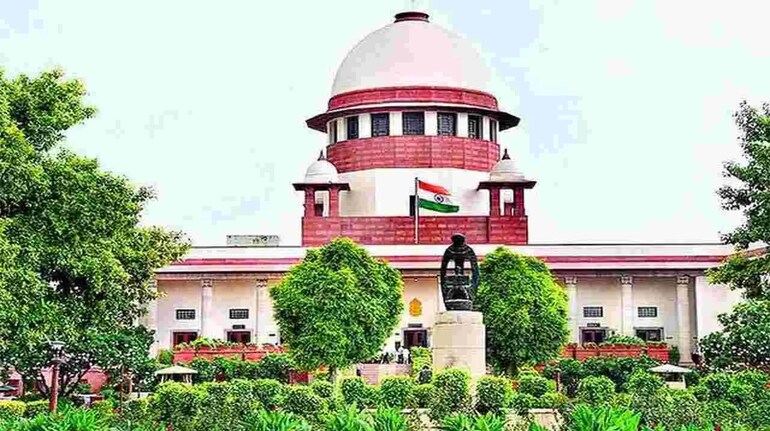
Supreme Court Justice Vikram Nath on Friday highlighted the urgent need for reform in India’s legal aid system, warning that nearly 70% of the country’s prison population consists of undertrials who have not yet been convicted.
Speaking at NALSAR University of Law during the release of the Fair Trial Programme Report for Pune and Nagpur, Justice Nath said that most undertrials remain behind bars not because the law requires it, but because of systemic failures.
“There are undertrials who have spent time in prison exceeding the maximum sentence for the very offence they are accused of. Many charged with bailable offences remain in custody simply because they could not furnish bail. Some would have been acquitted or given suspended sentences if trials concluded on time, yet they continue to languish,” he said.
The judge pointed out that lack of awareness and mistrust of legal aid compounds the problem.
“Even when prisoners know about their right to legal aid, they often refrain from seeking it, believing that hiring a private advocate will yield better results. This defeats the constitutional promise of liberty and dignity,” Justice Nath noted.
He stressed that legal aid in India often functions in disconnected silos, with courts, prisons, and legal services authorities operating independently. Justice Nath called for a unified system, linking all institutions through a single line of accountability, ensuring effective representation from the first hearing to the final verdict.
“It is not enough to just provide a lawyer; the representation must be effective. This is a constitutional duty that can determine whether a person spends years in confinement or walks free with dignity,” he said.
Justice Nath also urged law schools to take legal aid seriously, giving students practical exposure to the challenges faced by undertrials. “Legal aid clinics should be spaces where justice comes alive. Meeting undertrials and witnessing their fear and hope can reshape the future of our profession,” he added.
Highlighting the vulnerability of certain groups, he said women, prisoners with mental health issues, and marginalised communities face greater hardships in the criminal justice system and require compassionate approaches. “True equality demands that laws, policies, and institutions address the distinct burdens carried by these groups through effective legal aid, healthcare access, safe spaces, and institutional sensitivity,” Justice Nath said.
He underscored that improving legal aid is not charity but an act of faith in the Constitution. “The measure of our legal system lies not in the elegance of jurisprudence or procedural efficiency, but in how we treat the most vulnerable,” he concluded.
Discover the latest Business News, Sensex, and Nifty updates. Obtain Personal Finance insights, tax queries, and expert opinions on Moneycontrol or download the Moneycontrol App to stay updated!
Find the best of Al News in one place, specially curated for you every weekend.
Stay on top of the latest tech trends and biggest startup news.









