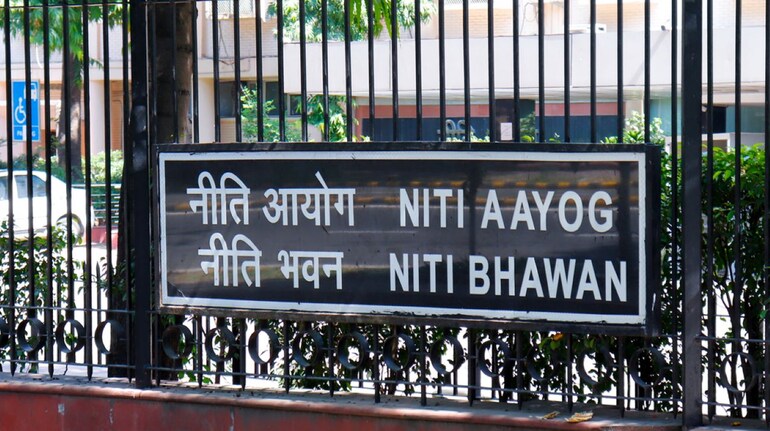

Weak revenue mobilisation and rising debt burdens continue to weigh on the fiscal health of several Indian states including Punjab, Andhra Pradesh, Kerala and West Bengal, according to NITI Aayog’s Fiscal Health Index that evaluates the fiscal performance of 18 major states.
The index, based on financial year 2023–24 data, assesses states across indicators such as revenue mobilisation, quality of expenditure, fiscal prudence, debt levels and debt sustainability.
“The Fiscal Health Index initiative by NITI Aayog aims to evolve an understanding of the fiscal health of states in India,” the report released on March 11 stated, noting that the analysis covers 18 major states that drive the Indian economy in terms of their contribution to GDP, demography, revenues and public expenditure.
Odisha emerged top performer
The index shows that Odisha emerged as the top-performing state, followed by Chhattisgarh, Goa, Jharkhand and Gujarat, reflecting relatively stronger fiscal management and debt sustainability among these states.
These states performed better across several indicators including revenue mobilisation, prudent fiscal management and sustainable debt levels.
The report highlights significant variation in fiscal performance across states, with some maintaining stronger fiscal discipline while others face structural pressures related to rising debt and weaker revenue generation.
By contrast, Punjab, Andhra Pradesh, Kerala and West Bengal feature among the weakest performers in the index, indicating comparatively weaker fiscal metrics among the states assessed in the report.
Uttar Pradesh and Bihar were placed in the middle of the rankings in the Fiscal Health Index 2026, indicating moderate fiscal performance compared with both the top- and bottom-ranked states. According to the report, Uttar Pradesh was ranked 11th while Bihar was placed 13th among the 18 states assessed, based on fiscal indicators such as revenue mobilisation, quality of expenditure, fiscal prudence, debt levels and debt sustainability for financial year 2023–24.
How the Fiscal Health Index is calculated
The index evaluates states across five sub-indices designed to capture both current fiscal conditions and the sustainability of public finances.
These include revenue mobilisation, which measures the ability of states to generate tax and non-tax revenues; quality of expenditure, assessing the share of productive or developmental spending; fiscal prudence, reflecting deficit management; debt index, capturing overall debt levels; and debt sustainability, evaluating the ability of states to service debt over time.
Why state finances matter
NITI Aayog noted that state finances play a crucial role in the country’s overall fiscal stability.
“States account for roughly two-thirds of public spending and about one-third of total revenue in India,” the report said, highlighting the importance of strengthening fiscal management at the sub-national level.
The Fiscal Health Index has been developed as a composite framework to evaluate fiscal performance and encourage better financial management practices among states.
“The composite Fiscal Health Index facilitates comparisons across states and benchmarking against best practices,” the report said.

Discover the latest Business News, Sensex, and Nifty updates. Obtain Personal Finance insights, tax queries, and expert opinions on Moneycontrol or download the Moneycontrol App to stay updated!
Find the best of Al News in one place, specially curated for you every weekend.
Stay on top of the latest tech trends and biggest startup news.