Industry associations and experts have welcomed the central government’s recent decision to rescind 14 Quality Control Orders (QCOs) on key chemical, polymer, and fibre-based materials. They have called it a “landmark reform”, which would accelerate clearances, streamline procedures, and enhance ease of doing business in textile, plastic, and chemical industries.
On November 12, the government withdrew QCOs covering several key polymer and fibre intermediates, including Terephthalic Acid, Ethylene Glycol, Polyester Yarns and Fibres, and major plastics such as Polypropylene, Polyethylene, PVC, ABS, and Polycarbonate.
A QCO is a legal directive issued by a Ministry that makes compliance with a specific Indian Standard (IS), as established by the Bureau of Indian Standards (BIS), mandatory for certain products. Products covered under a QCO must obtain a BIS license and use the standard mark (like the ISI mark) to be legally manufactured, imported, distributed, or sold in India.
The move, announced by the Ministry of Chemicals and Fertilizers, aims to ensure raw material availability, ease import constraints, and lower input costs for downstream MSMEs in the packaging, textile, and moulding sectors, according to government sources.
As part of the government’s ongoing commitment to ease of doing business, the withdrawal of BIS requirements for 14 key products in the chemical, plastic, and textile sectors is a landmark regulatory reform, noted Sohrab Bararia, Partner, Grant Thornton Bharat. "From a customs standpoint, this measure is anticipated to streamline import procedures, accelerate clearances, minimise delays, penalties and supply chain disruption," he added.
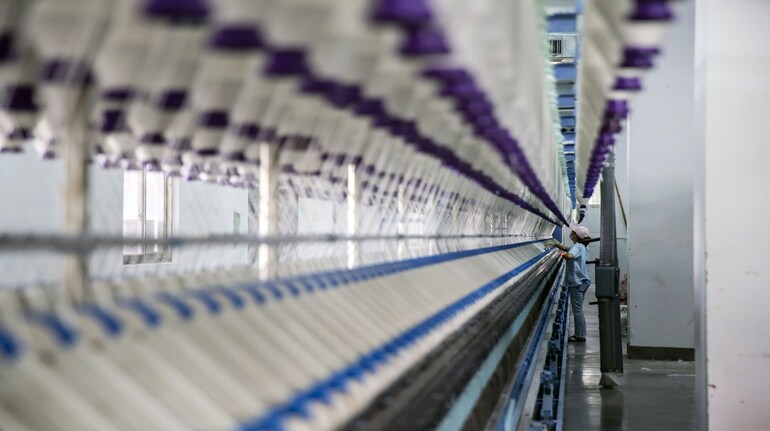
In a statement, The Confederation of Indian Textile Industry (CITI) said that the rescinding of the QCOs on Polyester Fibre and Polyester Yarn comes as a great relief, as it has been a long-awaited demand of all the user industries.
CITI said that removal of these QCOs will improve the cost competitiveness of Indian textile and apparel products by making it easier to obtain raw materials at internationally competitive prices. “Coupled with the Export Package announced on November 12, the rescinding of these QCOs will act as a huge confidence-booster for the textile and apparel sector,” the statement added.
Saurabh Agarwal, Partner, EY India said: "This move aligns with NITI Aayog report’s recommendations to streamline regulatory processes and promote industry-led quality standards. It enables faster operations, supports innovation, and strengthens India’s position in globally integrated chemical, plastics, and textile value chains."
The rollback aligns with the findings of a High-Level Committee on Non-Financial Regulatory Reforms under NITI Aayog, which noted that India’s QCO coverage has expanded from fewer than 70 products to nearly 790 over the past decade, many of them raw materials and intermediates that pose no direct consumer safety risks.
The panel urged the government to limit mandatory standards to consumer-facing or safety-critical items rather than early-stage manufacturing inputs.
Global Trade Research Initiative (GTRI) co-founder Ajay Srivastava cautioned that even as QCOs are being rolled back, India must closely monitor import trends, even daily, if required, to ensure that the absence of mandatory quality norms does not trigger a surge of dumped or sub-standard materials.
For polymers, fibres, metals and intermediates where QCOs have been withdrawn, some global suppliers could push excess stock at predatory prices, Srivastava said. “Close tracking of customs data, DGTR alerts and landed-price movements will allow timely responses, via anti-dumping, safeguard or tariff-rate actions, if unfair trade practices emerge.”
This approach, he said, protects domestic industry without diluting the gains of the rolling back certain QCOs.
Moneycontrol had reported on November 7 that the Centre may streamline QCOs across value chains to address concerns around non-tariff barriers as it negotiates free trade agreements (FTAs) with advanced economies.
Srivastava added that this reform brings India closer to global regulatory norms. Major economies do not impose mandatory national certification on industrial inputs such as polymers or metals.
"By rolling back QCOs where they impose friction rather than safety, India is realigning its quality-control framework with international practice," he said.
In May 2025, during the eleventh round of talks for the proposed FTA, the European Union raised the issue of easing the certification process under India’s Quality Control Orders, with the Indian side agreeing that improvements, such as online applications, could be considered.
India is presently negotiating a slew of trade agreements with developed economies and blocs, including the United States and the European Union, and has inked a deal with the United Kingdom in July of this year.
Discover the latest Business News, Sensex, and Nifty updates. Obtain Personal Finance insights, tax queries, and expert opinions on Moneycontrol or download the Moneycontrol App to stay updated!
Find the best of Al News in one place, specially curated for you every weekend.
Stay on top of the latest tech trends and biggest startup news.