
The world could be heading toward its worst energy crisis since the 1970s, with disruptions to oil, gas and critical commodities intensifying amid the Middle East conflict, Fatih Birol, head of the International Energy Agency, warned on Monday.
Describing the situation as "very severe", Birol said the scale of the shock now exceeds the twin oil crises of 1973 and 1979, as well as the gas market upheaval following Russia’s invasion of Ukraine. "This crisis… is now two oil crises and one gas crisis put all together," he said at the National Press Club of Australia.
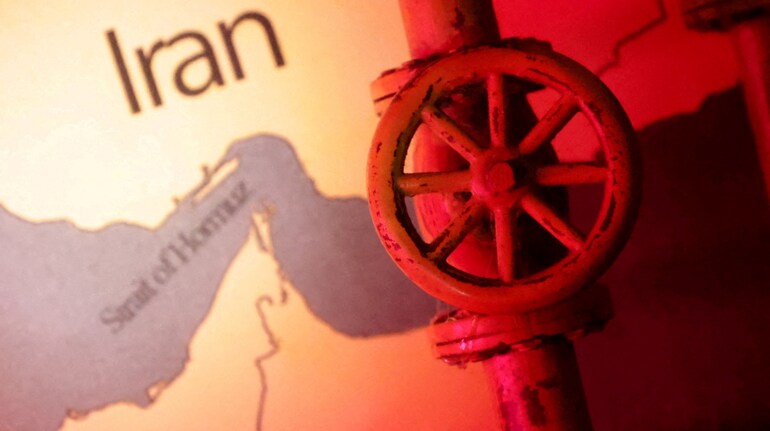
The disruption has been driven largely by the near-complete halt of shipping through the Strait of Hormuz, a vital artery for global energy flows that has been effectively blocked. The shutdown has triggered what the IEA describes as the largest-ever supply shock, with Persian Gulf producers forced to lock in output or rely on limited alternative routes.
“And not only oil and gas, some of the vital arteries of the global economy… their trade is all interrupted,” Birol said, pointing to disruptions in petrochemicals, fertilisers, sulphur and helium.
He stressed that reopening Hormuz remains the single most critical step. “The single most important solution to this problem is opening up the Hormuz trade,” he said.
The crisis has also caused extensive damage to infrastructure across the region. “At least forty energy assets… are severely or very severely damaged across nine countries,” Birol noted, underlining the scale of the supply disruption.
The IEA has already overseen a historic release of about 400 million barrels from emergency reserves to stabilise markets, and Birol said more could follow if needed. “If needed, we can put more oil in the markets… but this is not the solution. It will only help to reduce the pain,” he said.
Birol warned that the fallout from the energy shock is now spilling over into the broader global economy. “The global economy is facing a major, major threat today,” he said, adding that “no country will be immune” if the crisis persists.
Asia is particularly exposed due to its heavy reliance on supplies passing through the Strait of Hormuz, while poorer nations could bear the brunt of prolonged disruptions. The IEA chief cautioned that rationing and energy-saving measures similar to those seen during past crises may become necessary.
Oil prices have surged sharply in response to the supply shock.
Global benchmark Brent crude has risen more than 50% since late February, climbing above $110 a barrel, while US crude has hovered near $100. Analysts warn that constrained flows through Hormuz, estimated to be a fraction of normal levels, could keep markets tight for weeks.
The spike in crude has also lifted fuel prices globally, adding to inflationary pressures and triggering volatility across financial markets, including equities and bonds.
With the conflict entering its fourth week and no resolution in sight, the standoff over Hormuz remains the central flashpoint, raising the risk of a prolonged and potentially historic energy crisis.
Discover the latest Business News, Sensex, and Nifty updates. Obtain Personal Finance insights, tax queries, and expert opinions on Moneycontrol or download the Moneycontrol App to stay updated!
Find the best of Al News in one place, specially curated for you every weekend.
Stay on top of the latest tech trends and biggest startup news.