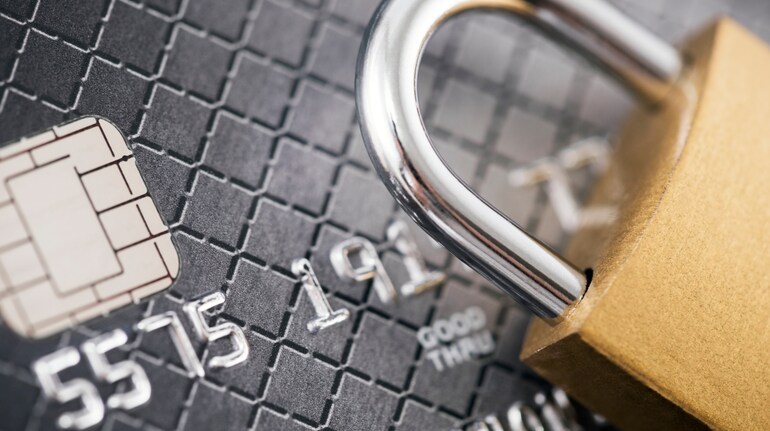

Realising that your credit card is missing can trigger instant panic. Most people first think about one thing: has someone already started using it? That fear is understandable, but this is one situation where acting quickly usually makes a big difference.
A stolen credit card does not always turn into a financial disaster. In many cases, the damage can be contained if you block the card fast, check for suspicious transactions and follow up properly with the bank. The key is not to waste time hoping the card will turn up later.
Step one: Block the card immediately
The moment you suspect your card has been stolen, block it. Do not wait to “double-check” your bag again for the next two hours. If the card turns up later, you can sort that out. Right now, your priority is to stop any misuse.
Most banks allow you to block a credit card through their mobile app, internet banking, customer care number or SMS banking. The app is usually the fastest route. Many banks also have an option to temporarily lock the card first, which can help if you think it may be misplaced rather than stolen. But if you are fairly sure it is gone, go ahead and block it fully.
Step two: Check your recent transactions
Once the card is blocked, open your banking app or net banking and go through the latest transactions. Look for anything you do not recognise, including very small purchases. Fraudsters sometimes test a card with a low-value transaction before trying a bigger one.
If you spot a suspicious charge, note down the amount, merchant name, date and time. This will help when you raise a dispute with the bank. It is a good idea to take screenshots as well, just so you have your own record.
Step three: Inform the bank that the card was stolen
Blocking the card is one step. Reporting the theft formally is another. Call the bank or use the official complaint channel and clearly say that the card was stolen and may have been misused.
Ask for a complaint or service request number and save it. This matters because if there is later any dispute about timing, you will want proof that you informed the bank promptly.
If the bank asks whether the card was lost or stolen, answer carefully. A stolen card may sometimes require a police complaint, especially if there are fraudulent transactions involved.
Step four: Raise a dispute for any unauthorised transaction
If someone has already used the card, report each unauthorised transaction to the bank. Most banks have a dispute form for this, either online or through email. Fill it in properly and do not leave it for later.
This is where people sometimes get casual and lose time. They block the card, feel relieved, and then forget to contest the actual fraudulent spending. Blocking stops future misuse. It does not automatically reverse what has already happened.
Step five: Change linked payment settings
A stolen credit card can affect more than one transaction. It may be linked to shopping apps, food delivery platforms, cab services, subscription accounts or standing instructions for bill payments.
Once the card is blocked, check where it was saved. Update those accounts so your regular payments do not start failing. This is especially useful if the stolen card was your default payment method for OTT subscriptions, utility bills or travel apps.
Step six: File a police complaint if needed
If the card was physically stolen, especially along with your wallet, it is worth filing a police complaint. This becomes more important if there has already been fraud on the card.
A police complaint may help if the bank later asks for supporting documents, and it creates an official record of the theft. If other documents were stolen too, such as your Aadhaar, PAN or debit card, that complaint becomes even more useful.
Step seven: Request a replacement card
After the immediate damage control, ask the bank to issue a replacement card. Most banks can send one within a few working days, and some offer quicker delivery in urgent cases.
When the new card arrives, activate it and set a fresh PIN. It is also a good time to review your card controls. You may want to switch off international usage, contactless payments or online transactions until you actually need them.
How to protect yourself after this
Once the crisis is over, take a few minutes to tighten things up. Turn on instant transaction alerts by SMS and email if they are not already active. Set lower transaction limits if your bank allows it. Do not keep unused cards casually lying around in bags or car compartments.
It also helps to avoid saving your card details on too many apps. Convenient, yes. Safe, not always.
A stolen credit card feels stressful in the moment, but the response is actually quite straightforward. Block it fast, check the damage, inform the bank, dispute anything suspicious and replace the card. The quicker and calmer you are in those first few steps, the easier the rest usually becomes.
Discover the latest Business News, Sensex, and Nifty updates. Obtain Personal Finance insights, tax queries, and expert opinions on Moneycontrol or download the Moneycontrol App to stay updated!
Find the best of Al News in one place, specially curated for you every weekend.
Stay on top of the latest tech trends and biggest startup news.