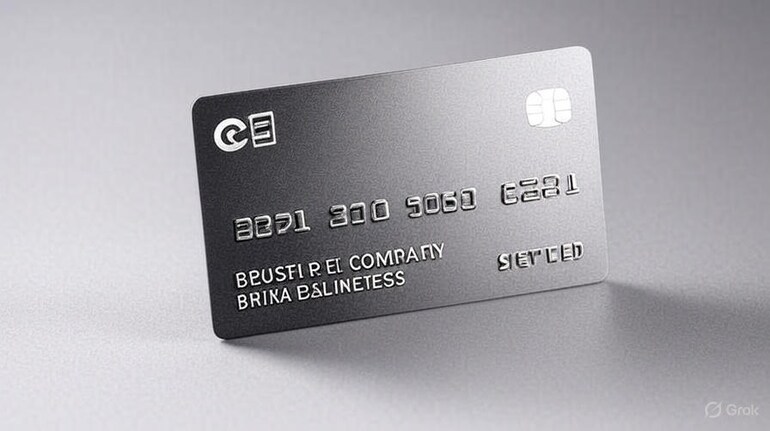
These corporate credit cards are only for business use—small and medium enterprises, start-ups, even single-proprietor GST registered freelancers. Unlike all other credit cards, these cards separately monitor business expenses, thereby making accounting and tax filing simpler. These cards are availed in the name of the firm (though with the promoter as the guarantor), and are with higher limits and benefits to suit professional use. Banks consider the business turnover, credit profile, and account books before giving the approval.
Offers, rewards, and spending control
Like business credit cards, personal credit cards provide cashback, travel miles, or rewards in the form of savings. But they do even more by allowing you to set spending limits on employees and issue them add-on cards. It makes it easy to keep business expenses in check, especially for sales representatives or frequently traveling employees. Even some cards have analytics software that lets you track spending categories, making reconciling each month that much simpler.
Assists to establish business credit history
By settling business expenses on a business credit card in a timely manner and keeping utilisation low, you will establish your firm's credit history over time. This can boost your firm's credit grade. A handy benefit if you're likely to borrow large amounts in the future. But defaults will also impact the individual credit score of the owner since a majority of Indian business credit cards still require personal guarantees by founders or partners.
Eligibility and documentation in India
For the purpose of application, banks mostly demand that your business should be operating for at least 1 year with supporting income documents such as ITRs, audited accounts, and bank statements. For proprietorship, a GST certificate or evidence of business registration would mostly suffice. For private limited companies or LLPs, incorporation certificates and PAN cards of the directors might be requested. The income of the promoters and credit score are normally considered.
Fees and payment terms to look out for
Annual fees range from ₹500 to ₹5,000 depending on the card and services. Balance carry-forward charges range from 2.5% to 3.5% of the amount every month. As with personal cards, minimum payments may be made, but payment of high balances through future instalments incurs high interest charges. The cards thus earn maximum if the balances are paid in full every cycle.
Not for every company—but a guarantee if managed properly
Business charge cards are not necessary for every small company, but can be an indispensable asset when used properly. They simplify expense recording, provide personalized rewards, and facilitate financial credibility. Pay only attention to interest rates, usage guidelines, and paying habits. Carefully planned, they can improve your company's productivity and financial standing.
Discover the latest Business News, Sensex, and Nifty updates. Obtain Personal Finance insights, tax queries, and expert opinions on Moneycontrol or download the Moneycontrol App to stay updated!
Find the best of Al News in one place, specially curated for you every weekend.
Stay on top of the latest tech trends and biggest startup news.