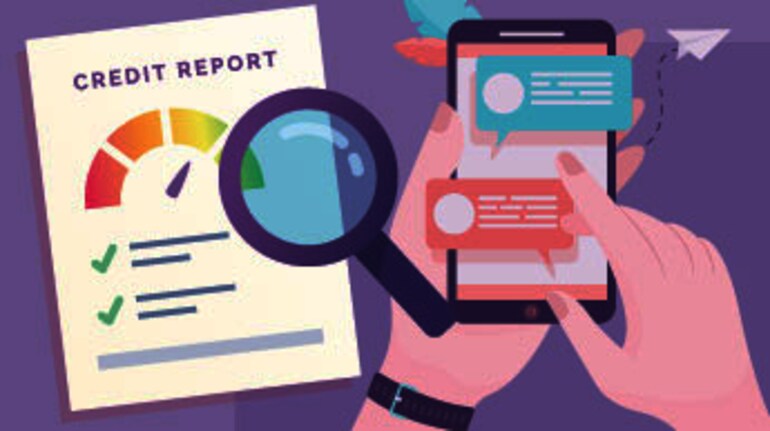
As far as credit scores go, there are few topics in personal finance that are more misconstrued. From assuming being debt-free will mean a high score to thinking checking your score will hurt it, credit myths can keep consumers from making good financial choices.
Your credit score is a key part of your financial life—it decides if you can obtain a loan, how much interest you'll pay, and even if you'll qualify for some jobs or rental applications. But keeping it in good shape takes separating fact from fiction. Here's the lowdown on some of the most prevalent myths—and what's actually true.
Myth 1: No debt means excellent credit
Most individuals assume that if they do not have any loans or credit cards, then their credit score is going to be excellent. Actually, not having any credit history makes you "invisible" to the credit industry. Credit scores are determined by how you treat borrowed funds, so without having any credit accounts, there is nothing for the bureaus to calculate. That makes lenders view you as a risk unknown.
To create a good score, you must demonstrate responsible use of credit—like paying a credit card bill in full every month or making regular payments on a small loan.
Myth 2: Checking your credit score will harm it
This is a myth that arises from misunderstanding two kinds of credit checks. A hard check, which occurs when you take out a loan or apply for a credit card, may result in a slight temporary decrease in your score. But a soft check, such as looking up your own credit score or being pre-qualified for a loan, affects it not at all.
Actually, checking your score periodically helps you detect errors or fraud promptly and see how your score has changed over time.
Myth 3: Closing old credit cards makes your score go higher
It makes sense: fewer accounts equal easier finances, right? But eliminating an old credit card can actually damage your score. That's because two of the most important factors in your credit score are your credit utilization ratio (how much you use compared to how much you have available) and your credit history length.
Closing an old account decreases your credit available and shortens your average account age—both of which can decrease your score. Unless the card has a high fee or is a financial risk, it is a good idea to leave it open.
Myth 4: You must carry a balance to establish credit
This is a chronic myth. The reality is, you do not have to hold a balance—or pay interest—in order to establish a healthy score. The important thing is that you do use credit and pay it back
in a responsible manner. Even when you settle your credit card bill in full every month (as you do want to do to prevent interest), it still reflects as on-time payment activity.
Myth 5: Income impacts your credit score
Your earnings can affect your capacity to qualify for a loan, but they do not affect your credit score directly. Credit scoring models consider your credit conduct—the amount you owe, payment history, the kinds of credit you carry, and how recently you made a credit application—rather than how much you earn.
Lenders will factor in your income when deciding to approve your application or not, but it won't increase or decrease your score.
How to actually improve your credit score
In order to establish or keep a good credit record:
• Make payments on time—always.
• Keep your credit utilization ratio low (less than 30%, preferably less than 10%).
• Have a mix of credit types if possible (credit card, car loan, etc.).
• Avoid opening too many new accounts in a short period.
• Keep old accounts open to lengthen your credit history.
Learning about credit scores—and resisting old myths—is the key to making better financial choices and achieving your objectives sooner. If you're starting from scratch or looking to improve your score for a large purchase, the secret is to concentrate on continuous, responsible credit conduct over time.
Discover the latest Business News, Sensex, and Nifty updates. Obtain Personal Finance insights, tax queries, and expert opinions on Moneycontrol or download the Moneycontrol App to stay updated!
Find the best of Al News in one place, specially curated for you every weekend.
Stay on top of the latest tech trends and biggest startup news.