Why ITR must be filed despite no salary
Even though you are a housewife with no fixed income but get money from investments like interest from the bank, dividends, or rentals from properties, filing an income tax return is more than a formality. It ensures transparency, enables you to claim refunds for TDS deducted, and keeps records in order for loans, visas, or benefits like scholarships. Filing ITR establishes your financial credibility even if you may not be earning through work.

Know what income must be disclosed
Investment income such as interest on fixed deposit, dividend income from mutual fund or share, rent earned, profit on selling house or stock—all of these are taxable even if you don't receive any salary. If all these incomes combined exceed the basic exemption threshold—₹2.5 lakh a year if you are a female under 60 years—you need to file an ITR. If you are under the threshold but tax at source (TDS) was deducted, filing allows you to claim a refund.

Choose the appropriate ITR form in your situation
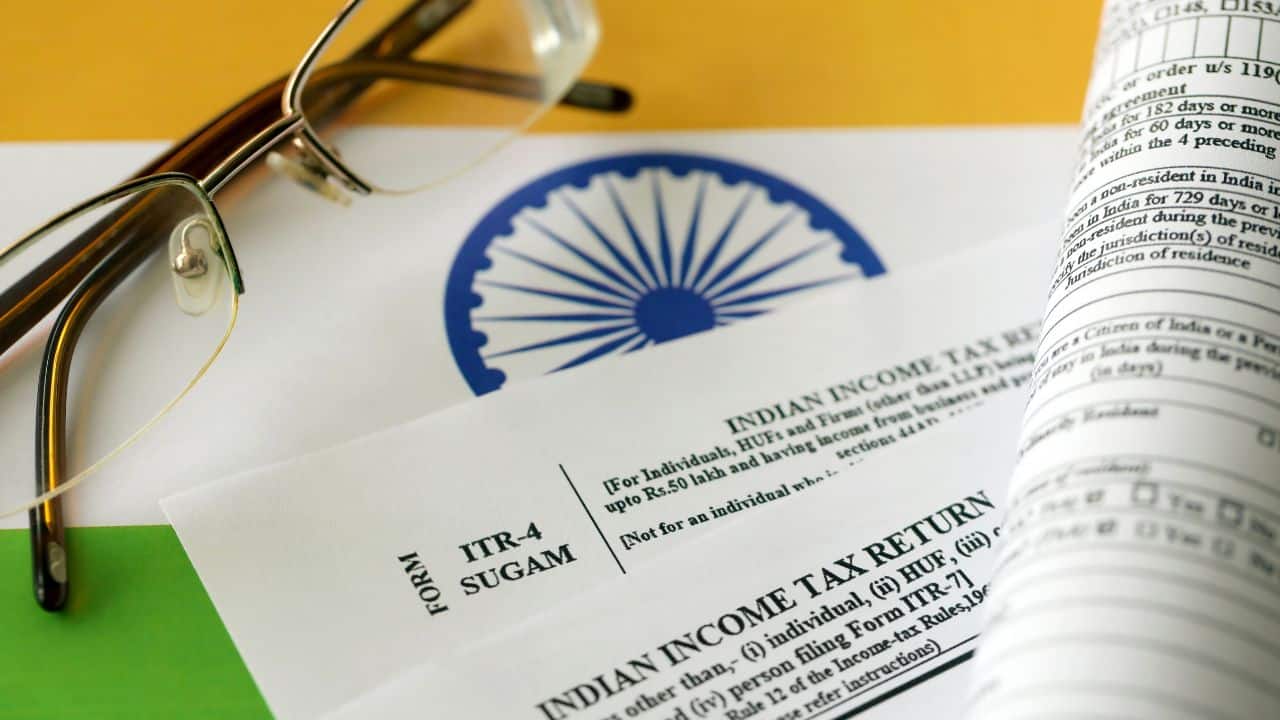
Salaried or retired individuals usually file with ITR-1 or ITR-2, but because you are a homemaker earning income solely through investments, you will need ITR-2 for transparency. It allows you to detail capital gains, dividend income, and other income excluding salary. If you have rental income or foreign investments, ITR-2 gives space to detail the same accurately. You need to match the format with your income trend so that you do not have mismatches or notices.
Match AIS and Form 26AS with your income as reported
Before filing, check your Form 26AS and Annual Information Statement. These include income shown by banks, mutual fund houses, etc. Inconsistency between filed and AIS shown can lead to notice or refund delay. Homemakers are likely to forget that TDS is deducted on interest or dividends; cross verifying all sources ensure they are accounted for in your return and does not lead to processing delays.

Claim deductions and reduce tax burden
Even without a salary, you could claim deductions under Sections like 80C (under life insurance or PPF) and 80D (on premium of health insurance). These reduce taxable income, taking you below the exemption limit and avoiding TDS trouble. Scrutinizing qualifying deductions before
filing, apart from reducing taxes, is a good habit to show tax liability is really zero, in case you've submitted Forms 15G or 15H.

Timing is of the essence—don't miss the deadline
If you are to file your income, it must be done by the last date, which has been extended to September 30, this year, for FY 2024-25. Delaying can bring about a penalty of ₹1,000 even though you won't have to pay any tax—and delay any refund. Tracking this in advance keeps you on track and keeps your fiscal record intact.

Keep records after filing
After submitting your ITR, retain copies of acknowledgement, audited statements along with proofs of deductions and transaction summaries. These documents serve as proof of income
for future financial needs and help resolve any queries the tax department may raise. As a homemaker, maintaining these records also builds financial discipline in your household. By being transparent on what kind of income is taxable, obtaining the correct form, matching bank details, and filing within deadlines, homemakers can comfortably fulfil their tax obligations even without any official income.
Discover the latest Business News, Sensex, and Nifty updates. Obtain Personal Finance insights, tax queries, and expert opinions on Moneycontrol or download the Moneycontrol App to stay updated!
Find the best of Al News in one place, specially curated for you every weekend.
Stay on top of the latest tech trends and biggest startup news.