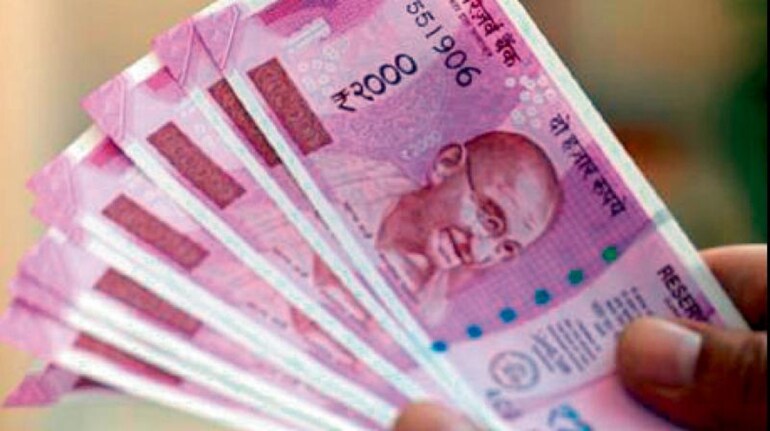
Most people begin their saving journey by promising themselves they’ll “cut expenses this month,” but that promise rarely lasts beyond a week. It’s not because they’re irresponsible; it’s because spending is tied to habits, moods and routines that run quietly in the background. Saving money isn’t about discipline alone — it’s about understanding why you spend the way you do and gently reshaping those patterns. Once you do that, saving becomes less of a monthly battle and more of a natural outcome.
Why tracking spending feels annoying but changes everything
Nobody enjoys logging expenses. It feels tedious and unnecessary. But the act of tracking — even loosely — exposes the spending that hides in plain sight. Most people underestimate small, frequent purchases: snacks, short rides, digital subscriptions, impulsive online deals. They don’t feel big individually, but they build a rhythm that drains savings without leaving much to show for it.
Tracking isn’t about policing yourself. It’s about seeing your financial life with clear eyes. After two or three weeks, patterns emerge, and you begin understanding what’s genuinely important to you and what you barely remember buying.
Creating friction where you overspend the most
When spending feels too easy, it grows quickly. Adding even small friction helps — keeping one shopping app, not ten; turning off saved cards on websites; delaying purchases by a day; or making yourself physically type in your card number each time. These tiny inconveniences slow down impulsive spending without making you feel deprived.
Many people discover that a 24-hour pause is enough to distinguish between what they want and what they wanted “in the moment.” If the desire remains the next day, the purchase usually carries less guilt and fits more naturally into your budget.
Separating emotional spending from necessary spending
A lot of spending isn’t about the item itself — it’s about the feeling. People shop when they’re stressed, bored, lonely or tired. The problem is not emotional spending; it’s emotional spending done unconsciously. When you recognise these triggers, you regain control.
Sometimes the solution is as simple as replacing the behaviour: taking a walk, making tea, talking to a friend, or postponing the decision until your mood settles. The goal isn’t to eliminate all mood-driven spending, but to ensure it happens deliberately rather than automatically.
Why saving first works better than saving whatever is “left”
Traditional budgeting expects you to control every expense. But most people manage their finances better when they reverse the process — save first, spend after. Setting up an automatic transfer into your savings or investment account the day your salary arrives ensures that saving becomes a habit, not a leftover.
When money leaves your account before you see it, your spending naturally adjusts. You learn to live within the remaining amount without feeling restricted. Over time, this simple habit builds a surprisingly stable financial cushion.
Building a spending plan that reflects your real life
Budgets fail when they’re too idealistic. You can’t cut entertainment entirely, or stop eating out, or eliminate every comfort purchase. A realistic spending plan acknowledges your actual life — your commute, your hobbies, your social rhythm, your occasional indulgences.
What works better is assigning a flexible amount for discretionary expenses instead of strict categories. Some weeks you spend more on food, some on travel, some on celebrations. As long as the overall monthly amount remains intact, your budget stays healthy without feeling rigid.
Avoiding lifestyle creep quietly protects your savings
Lifestyle creep is the silent enemy of saving. Each time your income rises, expenses grow along with it — a nicer phone, better dinners, upgraded plans, more frequent rides. You barely notice the transition. But if you consciously decide to maintain your lifestyle for a few months after a salary hike, the additional income becomes pure savings. This single habit often boosts long-term wealth more effectively than aggressive budgeting.
Saving money is not about restriction
You don’t save more because you deny yourself enjoyable things; you save more because you become aware of what actually adds value to your life. When spending becomes intentional, savings grow in the background almost without effort.
Changing spending habits takes time, but once they shift, the financial comfort that follows feels far more rewarding than the momentary thrill of an impulse purchase. Saving is ultimately about freedom — the freedom to make better choices with confidence, not pressure.
Discover the latest Business News, Sensex, and Nifty updates. Obtain Personal Finance insights, tax queries, and expert opinions on Moneycontrol or download the Moneycontrol App to stay updated!
Find the best of Al News in one place, specially curated for you every weekend.
Stay on top of the latest tech trends and biggest startup news.