

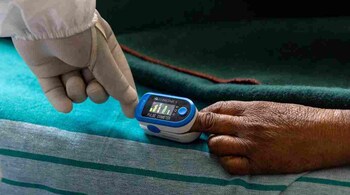
The COVID-19 pandemic has triggered an unprecedented crisis across the world. It is hardly surprising then that individual policyholders, as also the medical and health insurance sectors, are faced with claim scenarios that they do not encounter often. In some cases, the insurance ecosystem has found solutions, but in other cases, such scenarios have given rise to disputes.
Here’s a look at some of them.
Telemedical treatment at home
From mandatory hospitalisation in the initial stages of the first wave, COVID-19 treatment protocols changed over time to allow treatment at home for mild cases without co-morbidities. Insurance companies, too, started paying for home treatment and subsequently introduced the IRDAI-mandated Corona Kavach policies that cover such treatments. The costs of diagnostic tests, doctor’s consultation charges and pharmacy bills were included.
Also read: Renewal of Corona Kavach policies a must in current times
However, the brutal second wave made it difficult for even patients’ caregivers to step out of their houses and kept doctors busy. It was not easy to get physical copies of prescriptions and pharmacy bills. Many instructions and purchase orders were shared over messaging apps. If you had this experience, you need to check with your insurers on the pre-requisites while filing a claim. “Simple WhatsApp messages won’t work. When we receive such claims, we advise policyholders to get proper prescriptions from hospitals or on doctors’ letterheads. Even pictures sent by doctors of such formal prescriptions are accepted,” explains Shankar Bali, Joint Managing Director, Vidal Health, a third-party administrator.
However, some insurers may not insist on such formal documents. “We offer home care as a package for 14 days under our policies. What we need is an RT-PCR positive report and electronic proof of telemedicine services being availed, including regular follow-ups. Medicines ordered and blood tests done on an ongoing basis will also be covered,” says Dr S Prakash, Managing Director, Star Health & Allied Insurance.
COVID treatment despite negative RT-PCR
Moneycontrol had earlier highlighted the plight of some individuals who tested negative, but received COVID-19 treatment on the basis of the treating doctor’s call. Some insurers had rejected such claims. So, what is insurers’ stand on this issue now?
“Insurers are not insisting on positive RT-PCR. They go by surrogate tests such as HRCT (CT scan of the chest) and blood reports,” says Bali. Last month, the Indian Council of Medical Research (ICMR) issued guidelines recommending that those with fever, cough, breathlessness and so on should be treated as suspected COVID cases, unless proven otherwise. You could cite this protocol if your insurer rejects your claim.
Delay in claim intimation and document submission
Both hospitalised and home-quarantined policyholders face another quandary when it comes to filing claims: looking after other COVID-affected family members, which delayed the completion of the claim process. “We have seen a number of cases where claims were intimated in January but filed only in May. Immediately after their recovery, the priority, naturally, was not filing reimbursement claims, but taking care of their families. We have honoured such claims,” says Prakash. The same is applicable to discharge proofs, medicine and diagnostic bills to be submitted along with the claim form. “Most insurance companies have not been stringent about timelines.
They realise that policyholders may not be in a position to submit their documents on time,” says Dr Yashendra Sharma, Senior Vice-president and Head, Employee Benefit Practice, Alliance Insurance Brokers. If your insurer stalls your claim citing delay in submission, you can file a complaint with the insurer first and then the insurance ombudsman offices. Insurance companies ought to consider such claims when there are valid reasons for delay, as per IRDAI health insurance regulations. And, a raging pandemic should count as one.
Also read: Health insurance claim settlement hinges on IRDAI’s nudge
Denial of cashless treatment at network hospitals
Several hospitals refused to extend cashless facilities to COVID-19 patients, an issue that attracted the attention of even finance minister Nirmala Sitharaman as well as of the IRDAI. The latter, after the Delhi High Court verdict, asked insurers to give approvals – at the time of cashless authorisation at admission as well as final discharge – within 60 minutes. However, policyholders’ woes are far from over.
“Hospitals are either denying cashless treatment or not following the schedule of charges agreed upon with insurers. Some cite lack of manpower to complete the cashless paperwork. The whole burden then comes on the policyholder to pay out of own funds,” says Sharma. Since IRDAI does not regulate hospitals, there is little that policyholders can do if the hospital does not extend cashless facilities. Therefore, it is best to have a large-enough emergency corpus, capable of taking care of 9-12 months’ household expenses, in place. The COVID-19 crisis has only accentuated the need for this fund.
Discover the latest Business News, Sensex, and Nifty updates. Obtain Personal Finance insights, tax queries, and expert opinions on Moneycontrol or download the Moneycontrol App to stay updated!





