






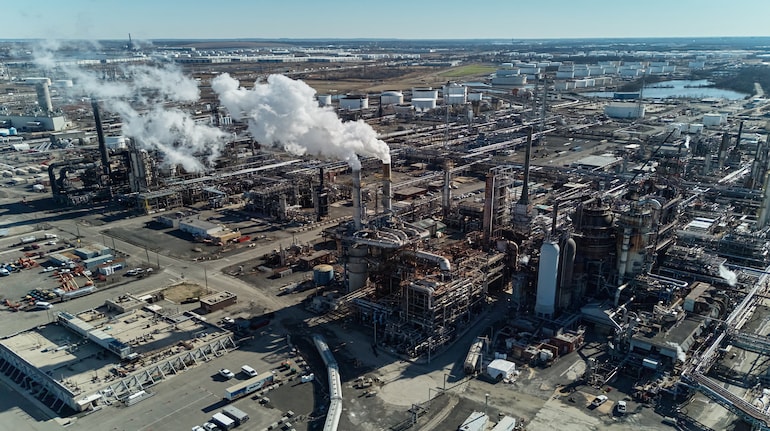

The US said it had stepped up strikes on Iran to unprecedented levels as the war that’s engulfed the Middle East hit the two-week mark and continued to upend energy flows and global markets.
Brent crude traded above $100 a barrel Friday following one of the most volatile weeks ever for the oil market, with investors bracing for more upheaval as Iran pledged to keep the vital Strait of Hormuz effectively shut.
Here are some of the charts that appeared on Bloomberg this week on the latest developments in the global economy, markets and geopolitics:
World
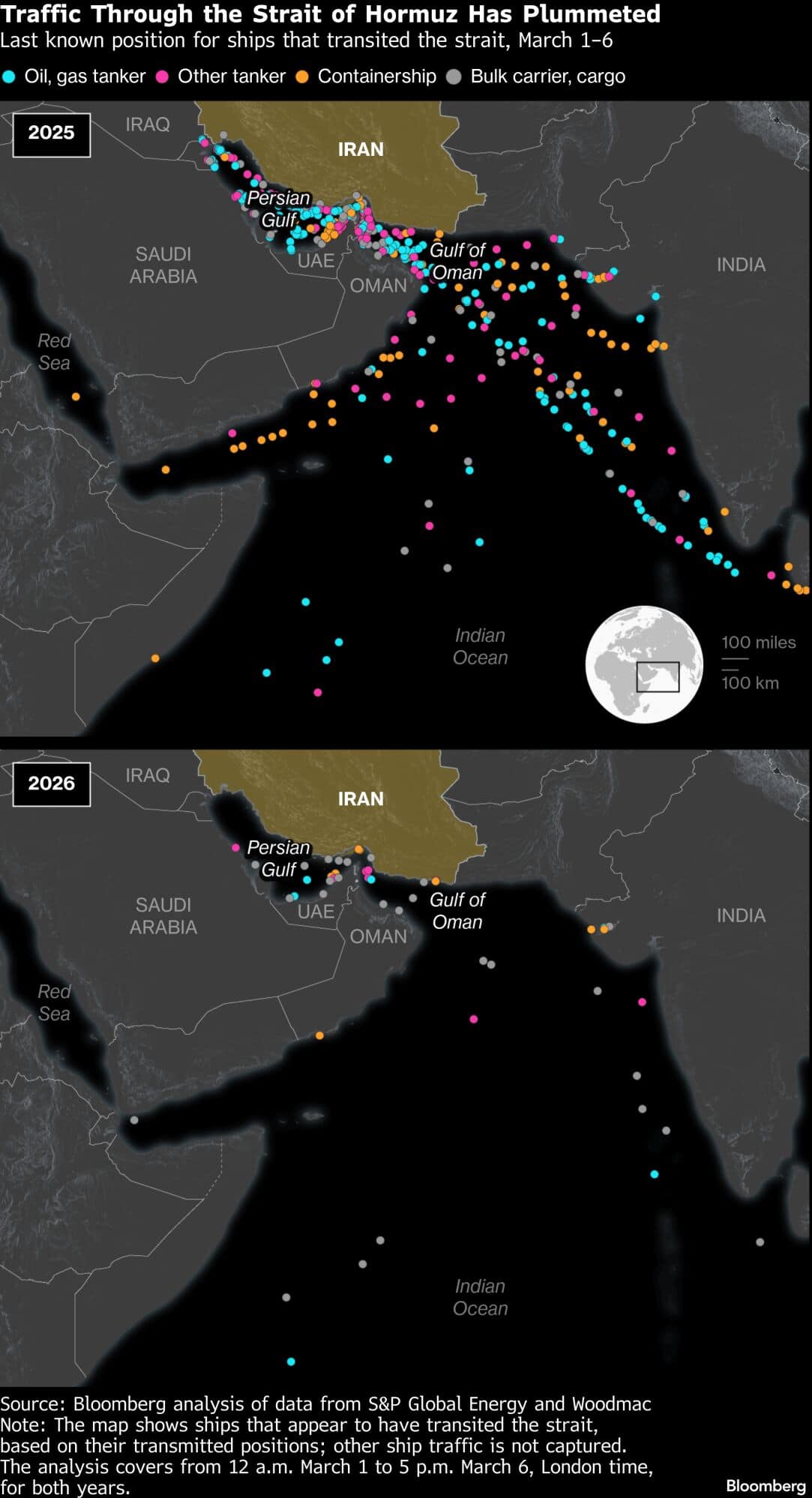
Policymakers around the world are readying measures to absorb surging energy and commodities prices triggered by the Middle East war that now threaten the global economy with its biggest shock since the pandemic. While recent comments from American President Donald Trump and Iran’s new leader have suggested there will be no letup in the conflict any time soon, pressure is building in the US for a deescalation given the mounting death toll and surge in oil prices.
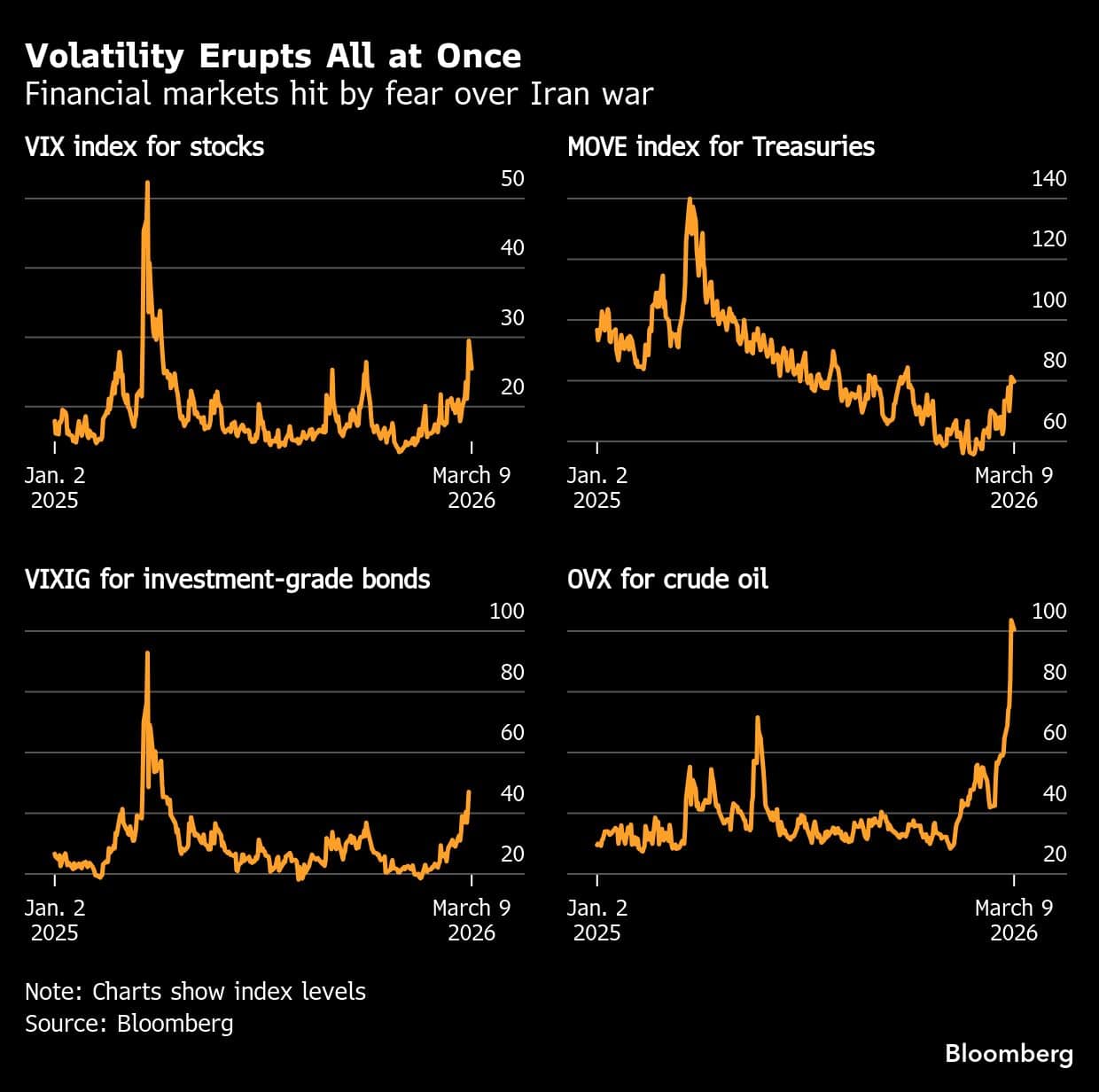
Trump’s decision to attack Iran, no matter what he may now declare, has injected a new and potentially long-lasting shock into the global economy at a time when investors were already grappling with an array of forces threatening to upend investor confidence that, until recently, had seemed bulletproof.
Europe
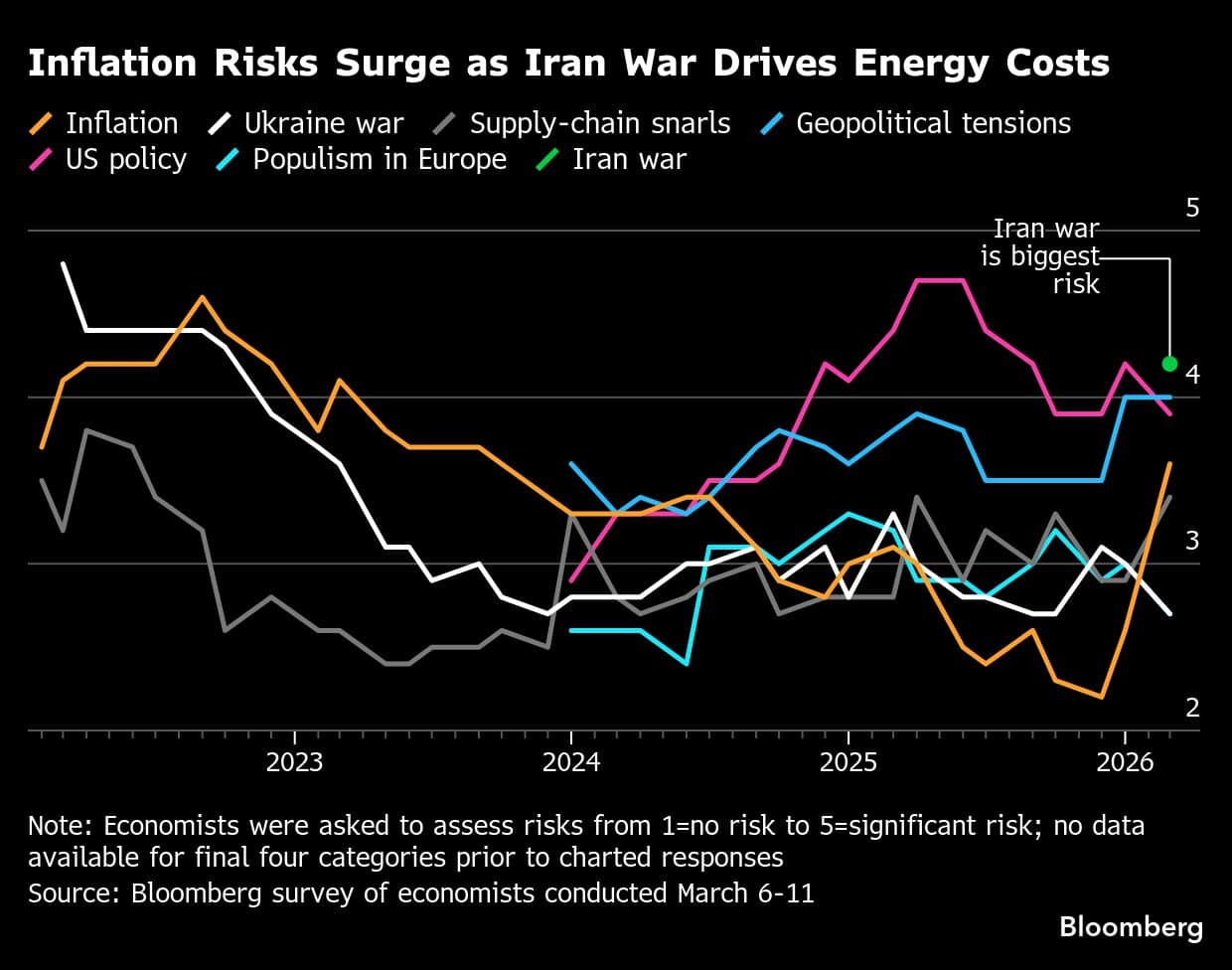
Economists see the European Central Bank keeping interest rates unchanged through 2027 even as inflation threats resurface. A Bloomberg survey conducted March 6-11 showed only 7% of respondents expect a move by December and less than a third see any tightening by the end of next year. That puts them at odds with markets. The duration of the Iran war is at the heart of the divide.
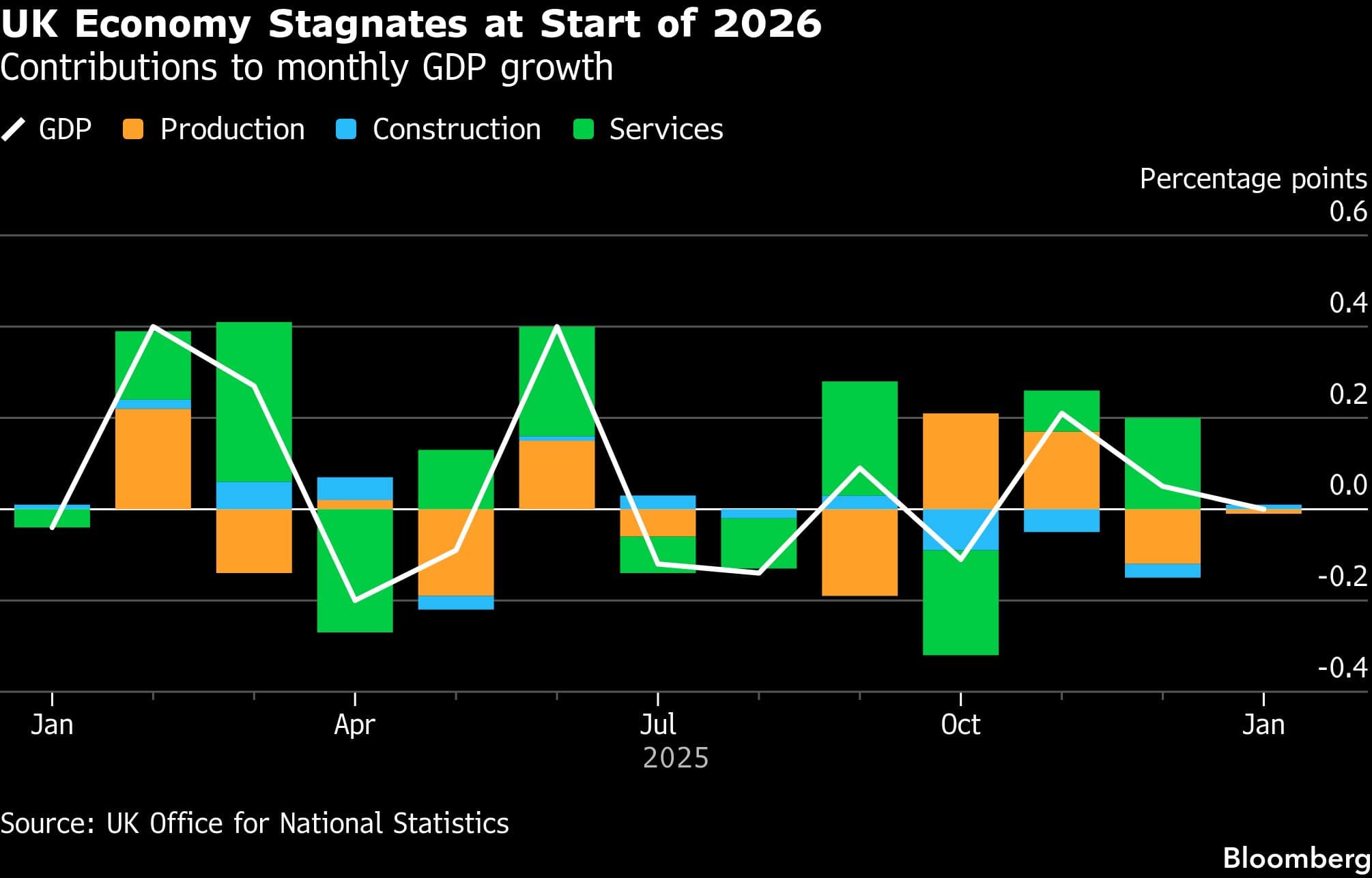
The UK economy unexpectedly stalled in January, suggesting activity was stalling even before conflict in the Middle East threatened to deliver a fresh blow to consumers and businesses. The powerhouse services sector stagnated as a weakening labor market hit recruiters, manufacturing grew just 0.1% and construction expanded 0.2%.
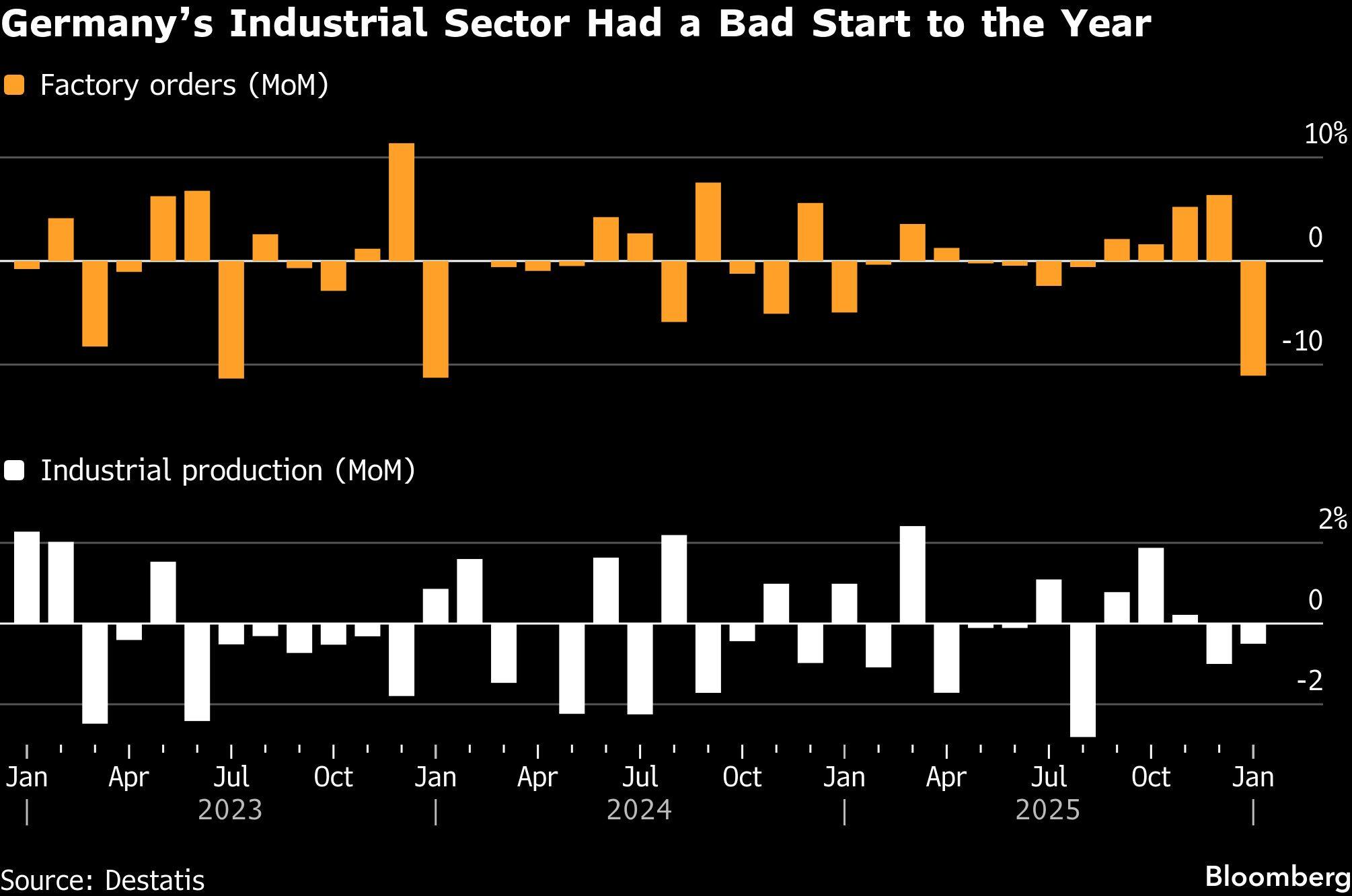
German industrial production and factory orders both fell at the start of the year, tempering hopes for a swift recovery that’s also set to face further headwinds from the war in Iran.
Asia
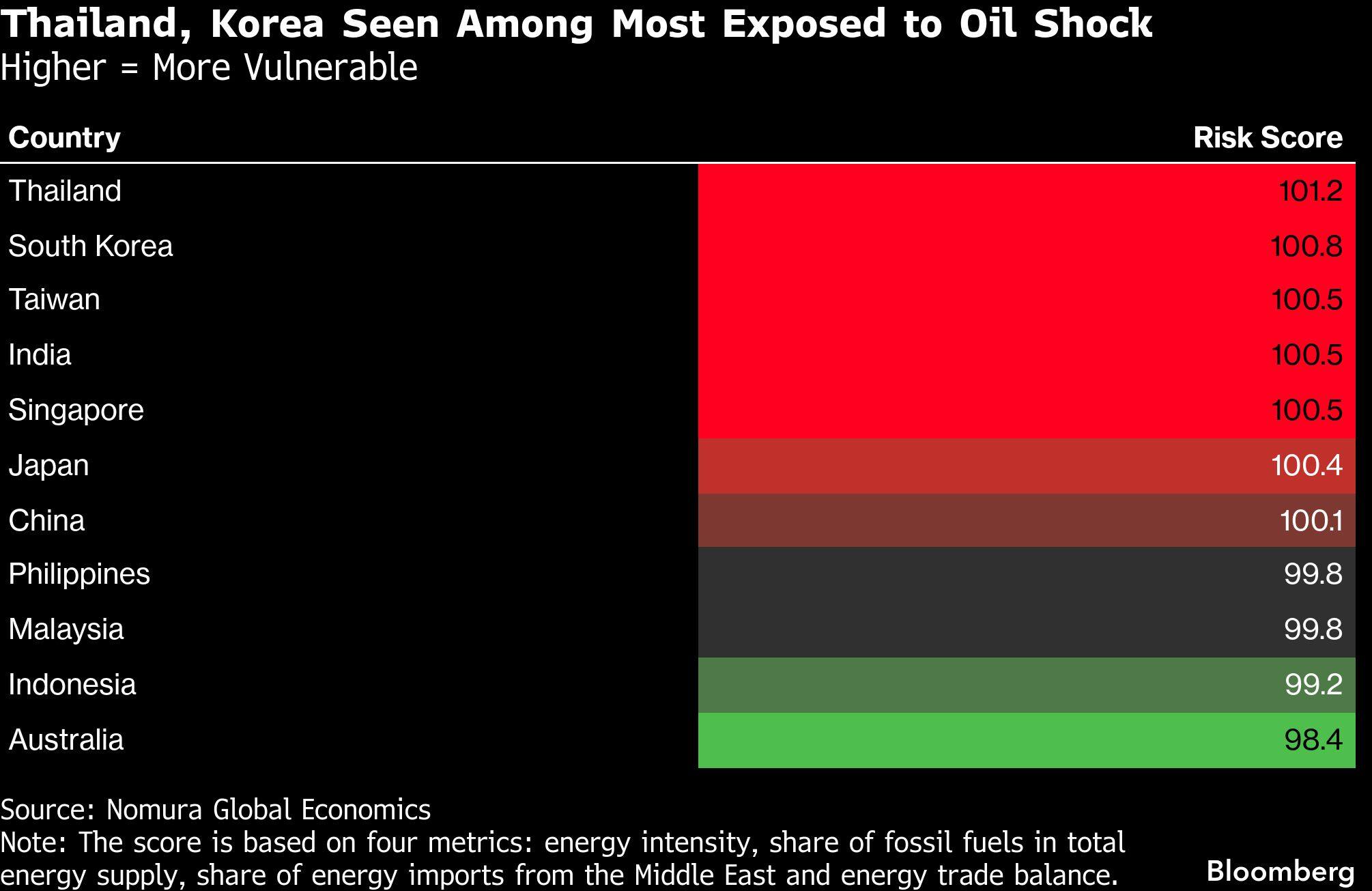
Asia’s governments will have to stretch their budgets or risk unleashing an inflation shock as the deepening conflict in the Middle East pushes oil prices past $100 a barrel. That could raise new credit risks for emerging markets, warned Fitch Ratings, as higher oil prices bloat subsidy and import bills and disrupt remittances, tourism and investment flows. It tagged India and the Philippines as among the most at risk, with net fossil fuel imports exceeding 3% of their gross domestic product.
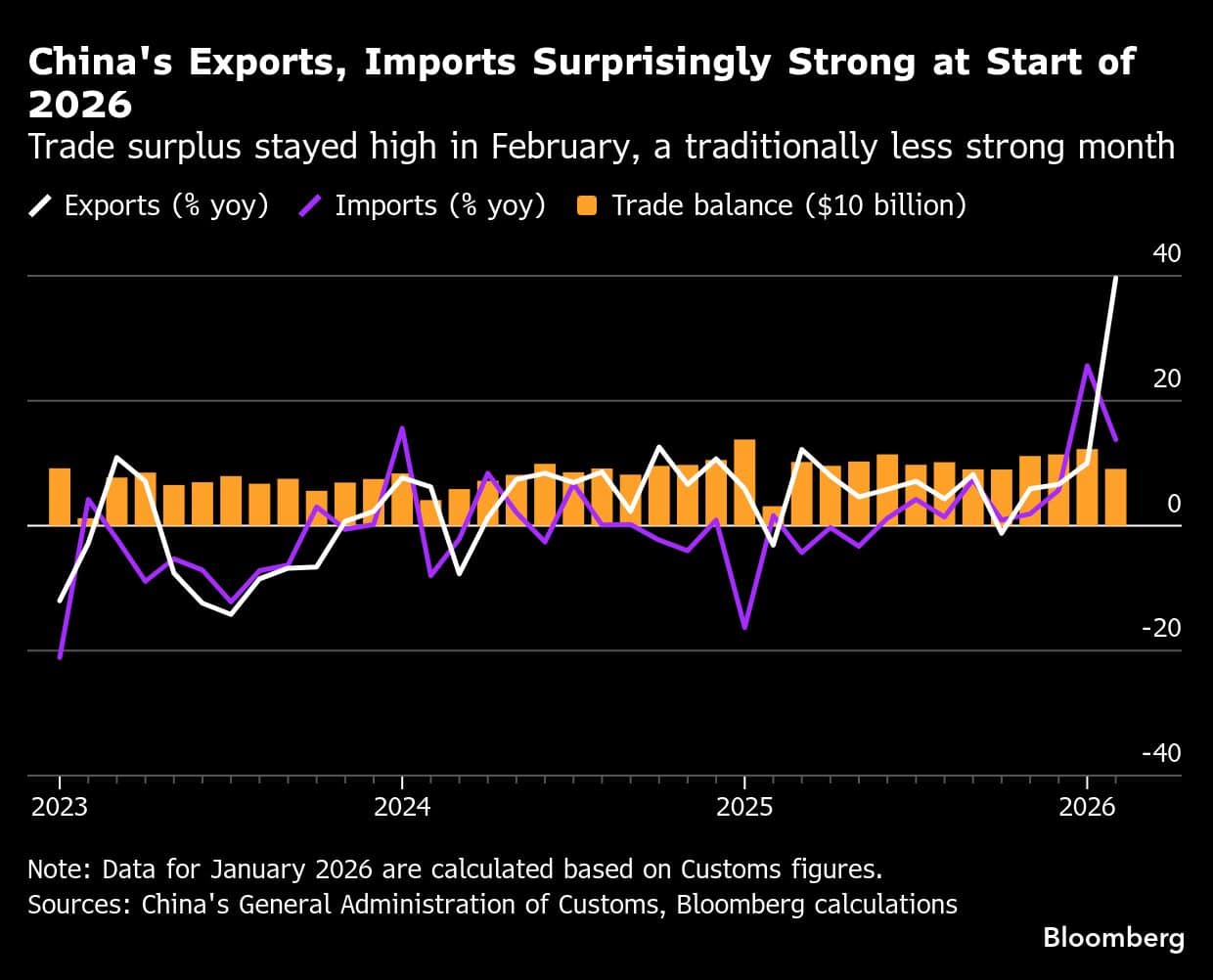
China’s export growth accelerated far faster than expected in the first two months of the year, putting shipments on a record path before US and Israeli strikes on Iran disrupted global trade. For Beijing, the possibility of a global demand shock from the hostilities could emerge as a major threat to its ambitions for growth this year, even after setting the most modest target since 1991.
US
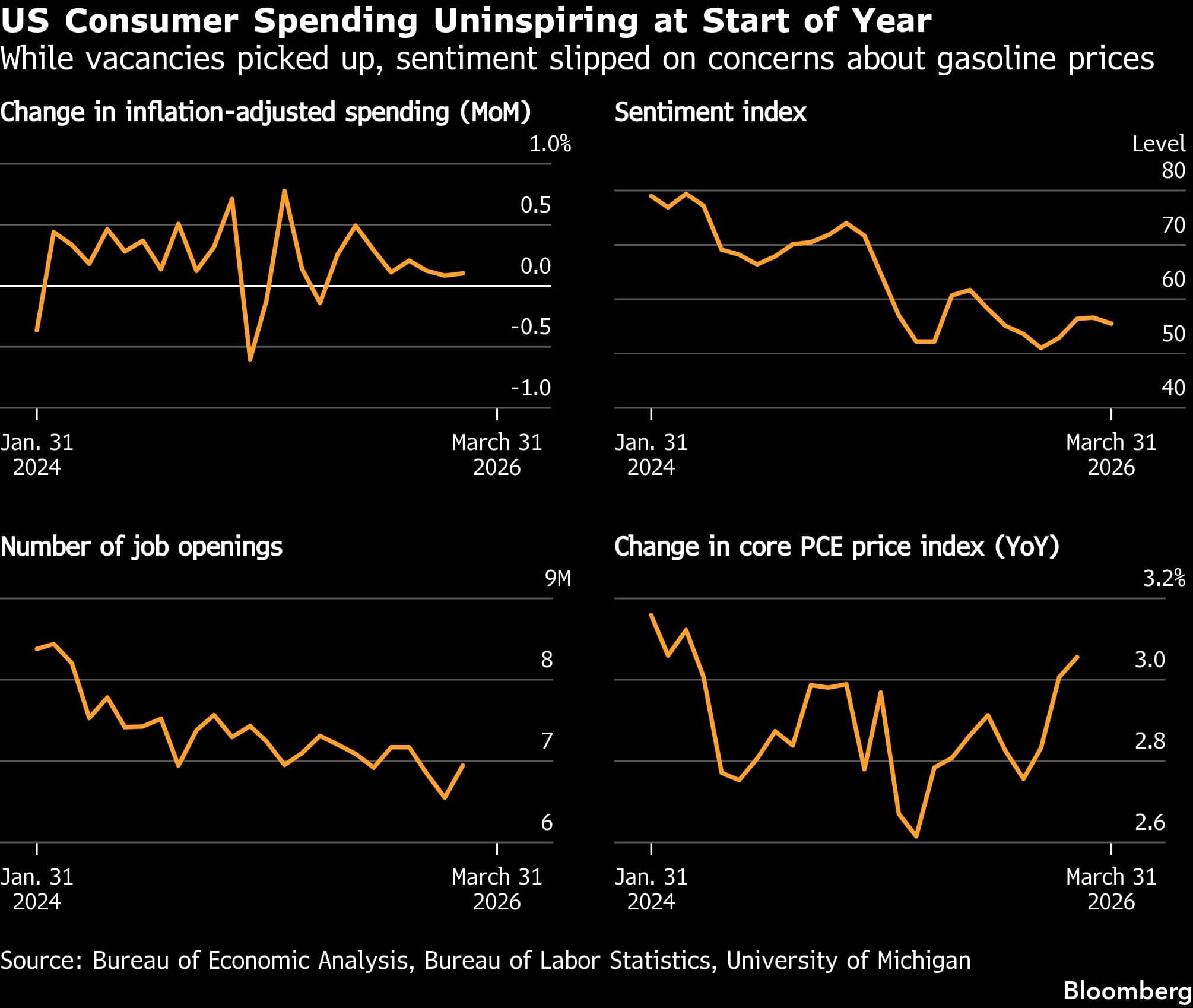
US consumer spending barely rose in January after economic growth was weaker than previously reported at the end of last year, suggesting the economy lost some momentum before the war with Iran.
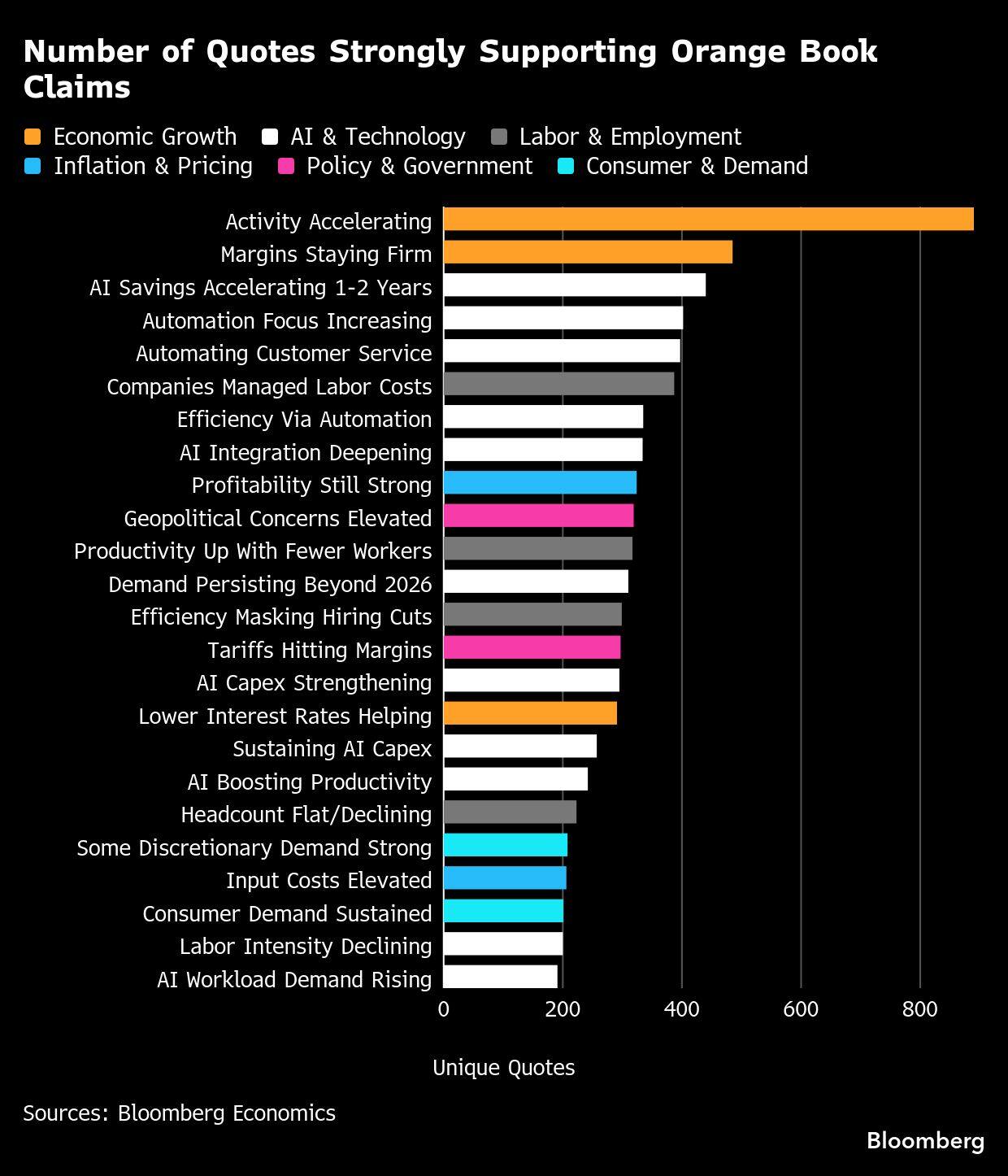
After last year’s tariff turmoil, C-suite executives are starting to see green shoots. Growing AI use and ebbing economic uncertainty around tariffs are lifting the mood — or at least, that was the prevailing view before the Supreme Court tariff decision and the Mideast war.
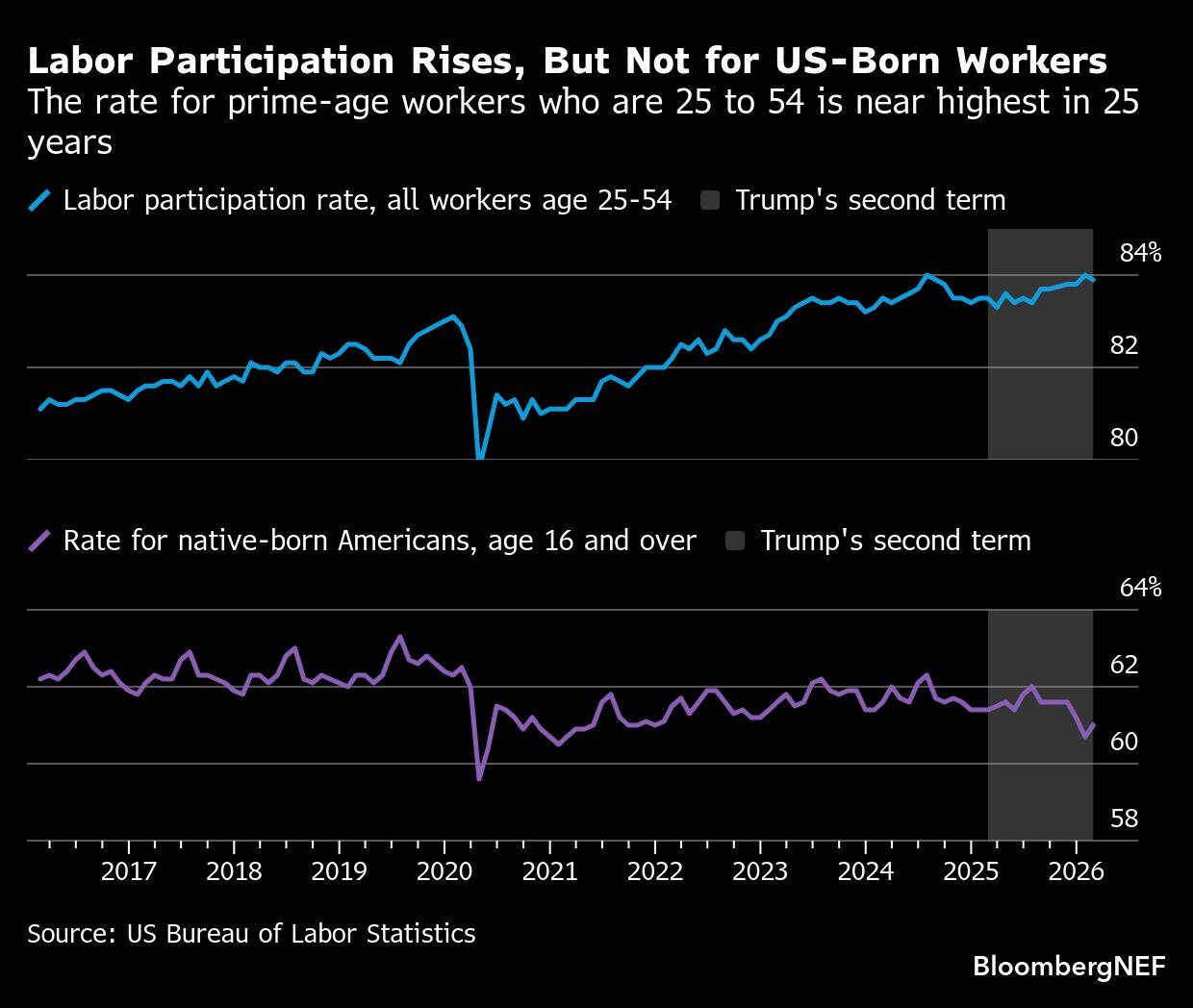
One year into Trump’s immigration crackdown, there’s little evidence that closed borders are boosting employment for US-born workers. Economists say the disconnect reflects a structural mismatch: In many labor-intensive roles that rely heavily on immigrants, employers can’t easily replace them with American workers. That undercuts a central tenet of Trump’s agenda and, if it persists, could also restrain economic growth over time.
Emerging Markets
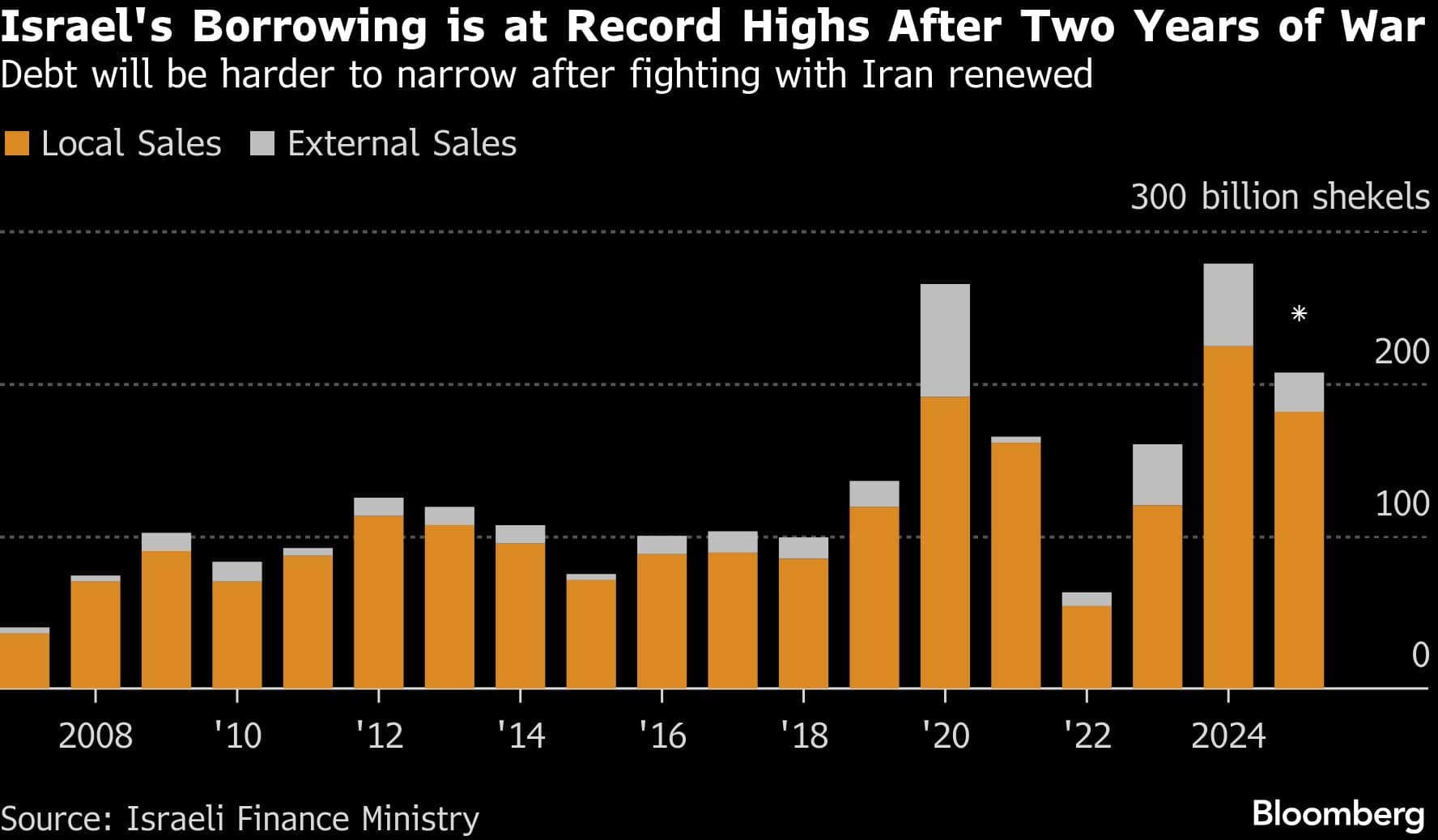
Prime Minister Benjamin Netanyahu’s cabinet approved a revised state budget for 2026, adding $13 billion to cover the war with Iran. The new spending plan, approved in the early hours of Wednesday, adds 32 billion shekels ($10.4 billion), about 1.5% of Israel’s gross domestic product, for defense and an additional 7 billion shekels in reserves for possible military needs.
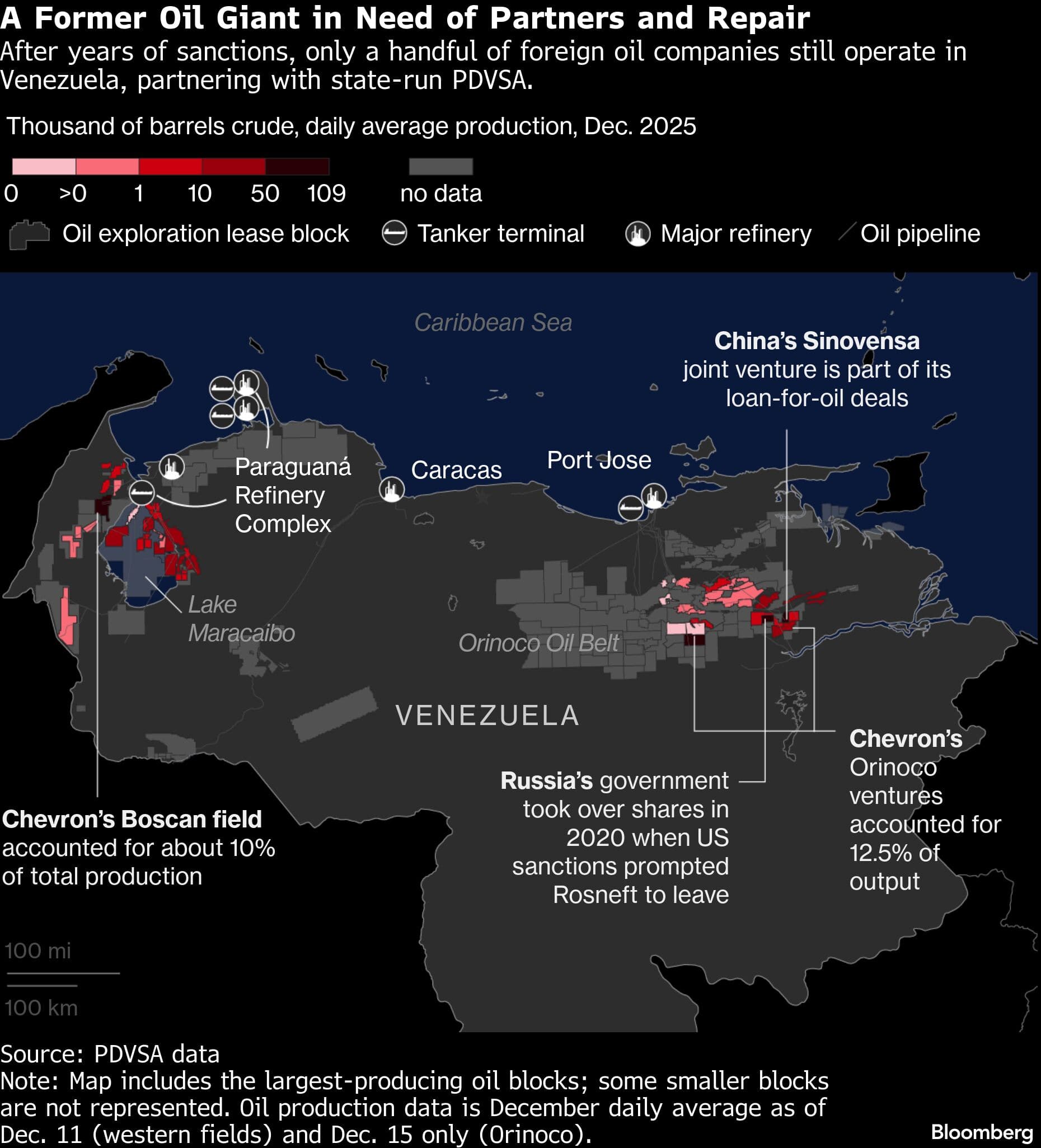
Venezuela needs more than money to revive its battered oil industry. It needs a sprawling diaspora of oil workers who fled the Caribbean country under President Nicolás Maduro to return. Even with the former strongman now sitting in a US jail, that’s a hard sell.
Discover the latest Business News, Sensex, and Nifty updates. Obtain Personal Finance insights, tax queries, and expert opinions on Moneycontrol or download the Moneycontrol App to stay updated!
Find the best of Al News in one place, specially curated for you every weekend.
Stay on top of the latest tech trends and biggest startup news.










