Effective tariffs on Indian exports to the US could fall sharply to around 12-13 percent following the US–India trade announcement, according to BofA's latest note.
BofA said that even without factoring in the impact of rupee weakness, the headline tariff rate of 18 percent would be significantly blunted once existing tariffs on products such as steel, aluminium and automobiles are accounted for. Based on its estimates, the effective tariff rate on India is likely to settle in the low teens, providing meaningful relief to the country’s export sector.
The brokerage said the reduction would particularly benefit labour-intensive segments such as gems and jewellery, textiles, agricultural products and engineering goods. It also flagged upside risks to India’s FY27 GDP growth projection of 6.8 percent, citing improving high-frequency indicators and the positive growth impulse from the trade breakthrough, though it said it would undertake a detailed review before revising its forecasts.
According to BofA, India is expected to increase its procurement of US energy, technology, agriculture and coal products worth about $500 billion over the next five years. This is likely to help narrow the trade imbalance with the US, against which India has consistently run a surplus. The opening up of Indian markets to more US products could also support higher technology imports and potentially spur greater foreign direct investment from the US over time, especially with India’s participation in US-led initiatives such as Pax Silica.
The White House has announced a rollback of tariff penalties imposed on India since August 2025, including a 25 percent penalty linked to imports of Russian crude oil and a reciprocal tariff of 25 percent. These have now been reduced to a cumulative tariff rate of 18 percent.
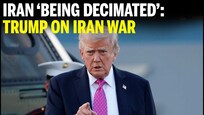
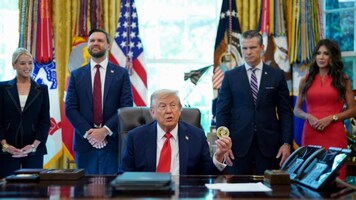
In a social media post, later confirmed by the Indian side, US President Donald Trump said India and the US had agreed to stop purchases of Russian crude oil, increase imports of crude oil from the US and Venezuela, and lower reciprocal tariffs on India to 18 percent. The statement clarified that the headline tariff rate, excluding Section 232 tariffs, would fall to 18 percent, improving India’s competitiveness in the region while removing penalties linked to Russian oil purchases.
On the policy front, BofA said that while there had earlier been room for the Monetary Policy Committee to deliver a growth-supportive rate cut, this was contingent on progress on a US–India trade deal, which had been a key source of uncertainty for the growth outlook. With the deal now in place, growth certainty has improved and the momentum reflected in high-frequency indicators is expected to continue.
As a result, BofA has revised its call for the Reserve Bank of India’s February 6 policy meeting, shifting from an expectation of a 25 basis point rate cut to a hold. However, it continues to see the need for liquidity support to aid the transmission of earlier rate cuts. The brokerage added that it believes the RBI is now done with rate cuts but will continue to manage liquidity conditions carefully to ensure effective policy transmission.
Discover the latest Business News, Sensex, and Nifty updates. Obtain Personal Finance insights, tax queries, and expert opinions on Moneycontrol or download the Moneycontrol App to stay updated!
Find the best of Al News in one place, specially curated for you every weekend.
Stay on top of the latest tech trends and biggest startup news.