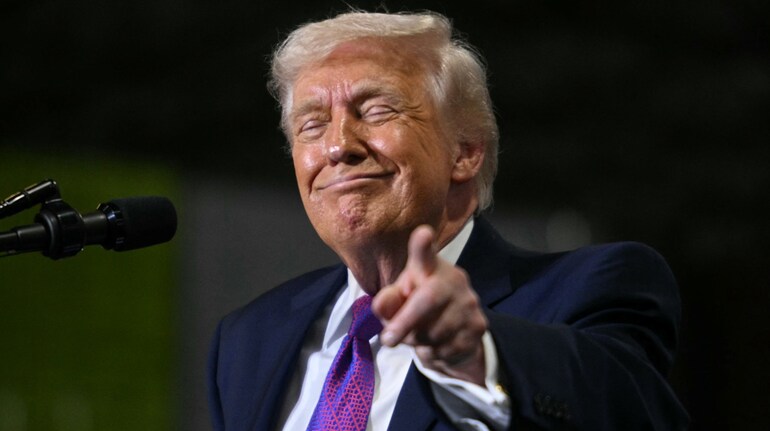

US President Donald Trump told leaders of the Group of Seven during a virtual meeting on Wednesday that Iran was “about to surrender," according to officials from multiple G7 countries who were briefed on the conversation, media reports said on Friday.
The remarks appeared to contrast with developments that followed soon after. Within a day of the call, Iran’s newly installed supreme leader, Mujtaba Khamenei, issued a strongly worded message pledging that the country would continue its fight.
Officials familiar with the discussion said Trump spoke with confidence about the direction of the war and highlighted the impact of US military action. During the conversation, he told allied leaders he had “got rid of a cancer that was threatening us all."
Despite the claim, Trump reportedly acknowledged uncertainty about Iran’s political leadership structure, noting that there was no clear authority in Tehran capable of formally declaring a surrender.
Shortly afterward, Khamenei delivered his first public address since taking power. Speaking on Iranian state television, he vowed to avenge Iranian “martyrs" and warned that new fronts in the conflict could be opened. He also repeated threats that Iran could disrupt shipping through the Strait of Hormuz, a key route for global energy supplies.
So far, there have been no signs that Iran’s government is on the verge of collapse.
As the war moved into its second week, Iran appeared to increase pressure on maritime routes in the region. The situation contributed to oil prices climbing above $100 a barrel and raised concerns about potential global economic repercussions.
Officials said the G7 discussion reflected worries among US allies about the broader economic consequences of the conflict. Several leaders urged Washington to bring the war to a quick conclusion and emphasised the need to ensure security in the Strait of Hormuz.
Trump, however, suggested conditions in the area were improving and said commercial shipping should resume. The comments came even as reports surfaced that tanker attacks had occurred near Iraq on the same night.
Participants in the call described Trump as unclear about the precise objectives and timeframe for ending the war. While he said he hoped to avoid another confrontation with Iran in the future, he offered no specific timeline, stating only that the United States needed to “finish the job." The White House did not comment on the discussion.
The conflict has also raised questions among European leaders about the possibility of Russia benefiting from higher energy prices. Leaders from Germany, United Kingdom and France reportedly warned against allowing Russia to exploit the situation or obtain sanctions relief.
Later the same day, the US Department of the Treasury announced a one month waiver on sanctions covering Russian oil shipments already in transit, citing the need to stabilise energy markets. Treasury Secretary Scott Bessent said the decision would not result in significant financial benefits for Moscow.
Officials also described tense moments during the meeting. Trump reportedly criticised Keir Starmer over his initial decision not to allow the use of British bases for strikes on Iran, a stance that was later reversed.
Discover the latest Business News, Sensex, and Nifty updates. Obtain Personal Finance insights, tax queries, and expert opinions on Moneycontrol or download the Moneycontrol App to stay updated!
Find the best of Al News in one place, specially curated for you every weekend.
Stay on top of the latest tech trends and biggest startup news.