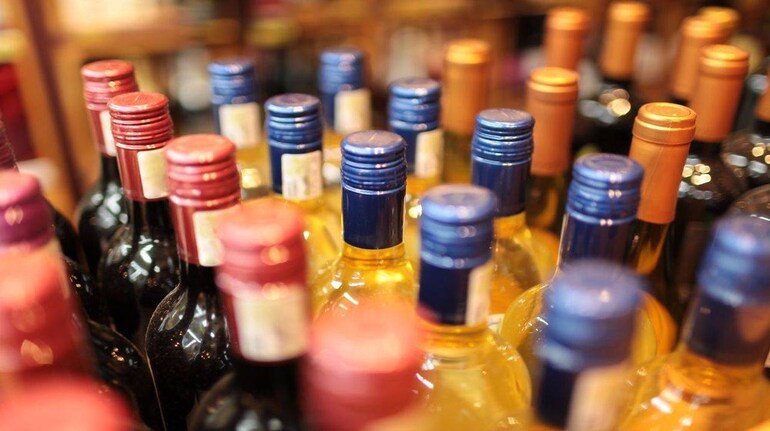
In retaliation to the US imposition of a 25 percent tariff on Canadian goods, Canada has announced a massive counter-tariff package valued at $155 billion. The retaliatory measures include pulling US-made liquor from store shelves across several provinces, effective February 4, as part of an effort to target key American products and promote domestic alternatives.
Several Canadian provinces have already implemented measures to block American alcohol sales in response to the tariffs. In Ontario, Premier Doug Ford ordered the Liquor Control Board of Ontario (LCBO) to cease selling nearly $1 billion worth of US alcohol annually. The LCBO will also remove US products from its catalogue, preventing restaurants and retailers from restocking them.
British Columbia's Premier David Eby has directed the Liquor Distribution Branch to stop purchases from Republican-led US states and remove popular brands like Jack Daniels and Tito’s Vodka from shelves. Similarly, Premier Wab Kinew of Manitoba announced that Manitoba Liquor and Lotteries (MBLL) would stop selling American alcohol, while Premier Tim Houston of Nova Scotia confirmed that the Nova Scotia Liquor Corporation would also pull US liquor products starting February 4. Quebec has yet to announce specific measures related to alcohol but has hinted at tariffs on certain US goods in the coming weeks.
The retaliatory tariffs will affect 1,256 US products, representing 17 percent of all US imports into Canada. Items like orange juice, peanut butter, motorcycles, cosmetics, and household goods will face new tariffs. A second list, expected in three weeks, may extend tariffs to vehicles, steel, aluminum, and aerospace products, as well as select fruits and vegetables. The government estimates the total value of these measures could reach C$30 billion. Products such as cosmetics and body care, appliances, and pulp and paper products are among the biggest targets.
Canada’s government has vowed to challenge the US tariffs through international legal channels, describing them as "illegal and unjustified."
The US tariffs, set to be enforced on a range of Canadian goods, will apply a 25 percent duty to most items, excluding energy products like oil and gas, which will face a reduced 10 percent tariff. The tariffs on Canadian goods will go into effect on Tuesday, while the energy tariffs will be implemented on February 18.
The escalating trade dispute between the US and Canada, along with similar tariffs imposed on Mexico, has sparked fears of a broader economic slowdown. The trade war, which President Trump initiated in response to concerns over fentanyl and illegal immigration, could further strain global economic growth and reignite inflation.
The Canadian government has outlined a process through which Canadian businesses can apply for relief or refunds under the "remission process." This initiative will allow certain businesses to seek relief from retaliatory tariffs if they meet specified criteria. The full economic impact of these measures, however, remains unclear, with Canadian officials declining to provide detailed projections.
As Canada prepares to weather the economic consequences of the tariff dispute, provincial leaders are urging consumers to support local breweries and distilleries in the meantime. The Canadian government is hopeful that these retaliatory measures will lead the US to reconsider its tariffs and begin negotiations to resolve the trade standoff.
Discover the latest Business News, Sensex, and Nifty updates. Obtain Personal Finance insights, tax queries, and expert opinions on Moneycontrol or download the Moneycontrol App to stay updated!
Find the best of Al News in one place, specially curated for you every weekend.
Stay on top of the latest tech trends and biggest startup news.