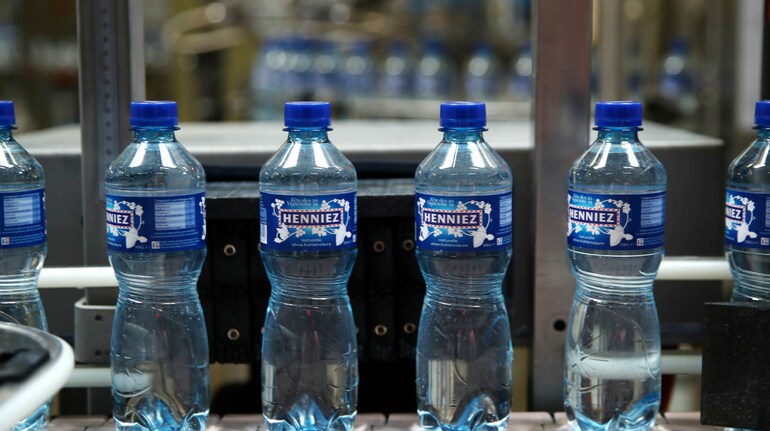

A prolonged conflict in West Asia could ripple far beyond oil and gas, disrupting supplies of critical industrial inputs and pushing up costs of housing, plastics and even everyday consumer goods such as bottles, according to a Moneycontrol analysis of trade data.
India remains heavily dependent on countries in or around the Strait of Hormuz for a wide range of petrochemicals and industrial raw materials that feed directly into core sectors of the economy.
Among the most exposed are petrochemical inputs, which form the backbone of plastics and packaging. Imports of ethylene glycol (99.97 percent dependence), methanol (96.2 percent) and p-xylene (76.5 percent) are overwhelmingly tied to the region. These chemicals are essential for producing polyester fibres, plastic bottles (PET), packaging materials and synthetic textiles, meaning disruptions could quickly translate into higher prices for consumer goods.
Polymers such as HDPE (84.2 percent dependence), LDPE (50.6 percent) and polypropylene (54.7 percent), used in everything from pipes and containers to packaging, are also significantly exposed, amplifying risks for manufacturing and FMCG supply chains. The impact could also be felt by drug manufacturers using polymers in medical packaging.
The impact extends directly to construction and housing, where India relies on the region for gypsum (92.9 percent) and limestone (92.2 percent), key inputs for cement, plaster and drywall. Any supply shock could raise housing costs and delay infrastructure projects, especially amid strong real estate demand.
The fertiliser sector is another critical vulnerability. Imports of anhydrous ammonia (78.8 percent) and sulphur (95.9 percent)—both essential for fertiliser production—tie agricultural output to developments in the region. This creates a direct link between geopolitical tensions and food prices and rural incomes.
In addition, sectors such as power, electronics and mobility face risks through dependence on refined copper wire (87.9 percent) and precious metals like platinum, which are used in electrical infrastructure, EV components and catalytic converters.
A sustained disruption could therefore trigger cost-push inflation, making the economic impact far more widespread than oil alone.
Discover the latest Business News, Sensex, and Nifty updates. Obtain Personal Finance insights, tax queries, and expert opinions on Moneycontrol or download the Moneycontrol App to stay updated!
Find the best of Al News in one place, specially curated for you every weekend.
Stay on top of the latest tech trends and biggest startup news.