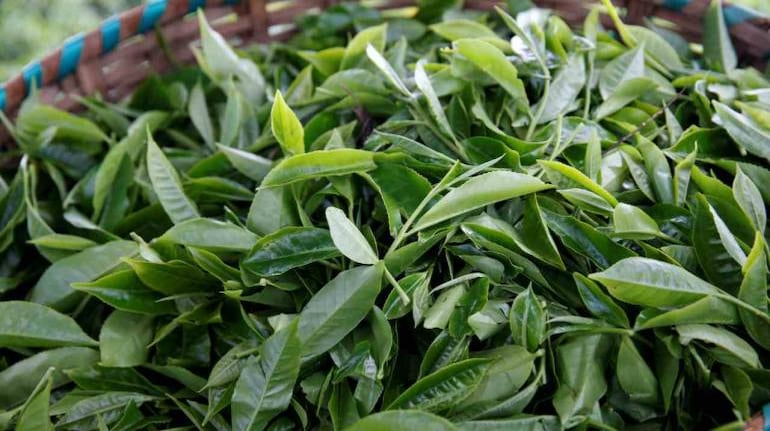
After robust exports and better prices in 2022, the prospects are not looking bright for the Indian tea industry this year.
While a stalemate in Iran has affected exports, production has taken a hit due to erratic weather. The fall in exports in turn has taken a toll on the prices, which have declined in the last few months.
Outbound shipments of tea are down by 6 percent in the first three months (January-March?) in 2023 over the previous year as per Tea Board data. The downturn has continued in subsequent months as well, according to exporters.
At 227 million kg in 2022, tea exports from India touched the highest after the pandemic struck, registering a 15 percent rise from the previous year. The rise was more due to higher demand of Orthodox tea variety from Iran and the United Arab Emirates as Sri Lanka, a major producer of the variety, was yet to recover fully from the economic turmoil the island nation faced.
The UAE has emerged as one of the important destinations for Indian tea in the last few years, partly due to the country becoming the transit point for other West Asian nations like Iran, Syria and Turkey.
“This year Iran has not signed any new contracts for import from India. The country accounts for around 25 percent of our total tea export.
While Russian buying has been okay, purchases by Ukraine have come down due to the war. A weak yen has also forced Japan to buy less,” said Anshuman Kanoria, chairman, Indian Tea Exporters Association. In the circumstances, he expects shipments to be lower than last year.
Orthodox tea comprises about 10 percent of the total tea produced in the country and is primarily exported. The rest is the CTC variety that is mopped up largely by the domestic market. With the Orthodox variety going at good prices, tea producers were gearing up to raise production. “But that may not happen this year as the Orthodox tea prices have plunged,” said Ajay Jalan, president, Tea Association of India.
Tea auction prices have dropped with exports taking a hit. South Indian tea prices have fallen by 12 percent on average from January till May to around Rs 111 per kg, as per Tea Board figures. Tea prices in North India, where the cropping season starts after the winter months in March, dipped by 7 percent from April to around Rs 192 per kg in May.
Inclement weather has kept production low so far during 2023. “Hot weather and scanty rains have affected the production in West Bengal. The output from Assam has been partly good with certain regions showing good production,” said Jalan.
The setback in West Bengal production could affect the output of Darjeeling tea, which fetches the highest price from India. “It may be too early to comment. Since the main cropping season extends from July to October in North India, the shortfall could be made up to a great extent with a good monsoon. It looks like the overall production may be same as in the previous year,” said Jalan
The total tea production in India was marginally higher in 2022 at 1,365 million kg. It stood at 1,343 million kg in the previous year, around 7 percent higher than the output in 2020. To add to the woes, tea imports to India went up in 2022. At 29.84 million kg in 2022, inbound shipments were up 12 percent year-on-year. A significant part of the flow was from Nepal, which has duty-free access to the Indian market. The industry feels higher imports could depress domestic prices.
In South India, where the cropping season starts right from January, irregular weather and pest attacks have reduced output. “Till April in 2023, the South Indian production is lower by around 12 percent compared to the same period in the previous year. The full estimate in May is yet come but the crop is said to be lower in certain regions of Nilgiris and Wayanad,” said R Sanjith, secretary of The United Planters’ Association of Southern India.
In addition to these problems, there has been a wage hike for workers in tea plantations in Kerala. “The wages have been increased by Rs 41 to plus Rs 470 per day. With all fringe benefits it could add up to Rs 700 and is perhaps the highest in the world. The problem is that there has been no proportionate increase in the revenue,” said Mathew Abraham, MD, Kanan Devan Hills Plantations Company.
Discover the latest Business News, Sensex, and Nifty updates. Obtain Personal Finance insights, tax queries, and expert opinions on Moneycontrol or download the Moneycontrol App to stay updated!
Find the best of Al News in one place, specially curated for you every weekend.
Stay on top of the latest tech trends and biggest startup news.