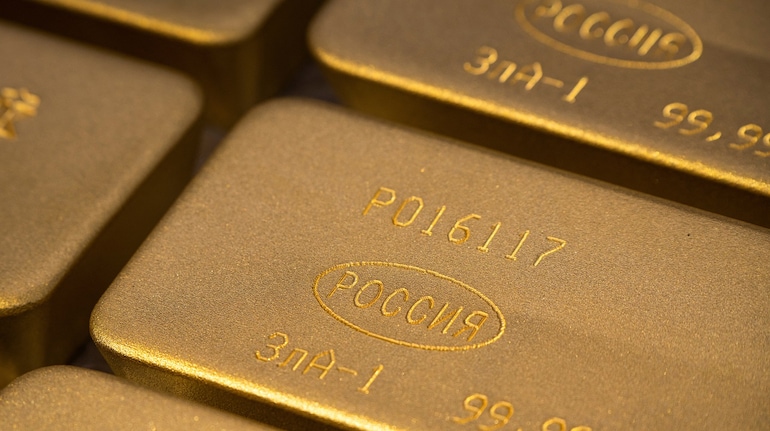

Gold has more than wiped out this year’s gains, falling for a ninth day as the war in the Middle East spurred a broad selloff across markets. Silver tumbled more than 10% at one point.
Spot gold plunged as much as 8.8% to just shy of $4,100 an ounce. The metal has shed more than 20% since the war in Iran began, and just posted its biggest weekly drop since 1983. Part of the losses can be explained by a dash for cash, as the conflict sees investors ditch their relatively liquid assets.
“Gold has a liquidity issue,” said Johan Jooste, chief executive officer of Pangaea Wealth AG. The rapid selloff was driven by investors’ need to raise cash, and further downside risk for bullion remains if the war continued to escalate, he said.
Expectations of higher interest rates and a stronger dollar added to headwinds. Since the conflict began, surging energy prices have raised the odds of rate hikes by the US Federal Reserve and other central banks. Non-yielding bullion looks less appealing when rates remain high.
A similar dynamic followed the Russian invasion of Ukraine, when an initial spike in the safe-haven asset was followed by a months-long decline, as an energy price shock rippled through markets and added to inflationary pressures.
“The magnitude of gold’s selloff is not unprecedented, but the pace of the selloff has been much quicker than on many historical occasions,” said Wayne Gordon, an investment adviser at the wealth-management unit of UBS Group AG.
Selloffs have deepened across various types of gold assets. The aggregate open interest for gold futures on Comex has plunged to the lowest level since 2018, showing the washout of speculative positions. Holdings in gold-backed exchange-traded funds — a popular investment method for institutional and retail investors — have also flipped to a net outflow of around 11 tons since the start of this year.
The metal ended last year at $4,319.37 an ounce and spiked at an all-time high above $5,595 an ounce in late January.
Over the weekend, US President Donald Trump gave Iran a two-day deadline to reopen the Strait of Hormuz or face strikes on its power plants. Iran countered that it would close the strategic waterway “completely” and target energy, information technology and desalination infrastructure if its power facilities come under attack. Trump’s ultimatum came at 7:44 p.m. New York time on Saturday.
Gold’s reaction “to the current macro-economic shock has a clear market precedent,” said David Wilson, director of commodities strategy at BNP Paribas SA. “If you look at all three previous economic-shock cycles – in 2008, 2020 and 2022 – gold initially fell as markets reacted to news flow, with investors typically selling assets to hold the US dollar,” he said, adding that all three periods were followed by a sustained rally.
Bullion’s 14-day relative-strength index — a gauge of momentum — extended a fall below 30, a level that some traders see as indicating it’s oversold. Meanwhile, hedge funds and other large speculators increased their net-long position for gold to the highest in seven weeks as of March 17, weekly US government data published Friday showed.
Spot gold fell 4.7% to $4,281.88 an ounce at 9:36 a.m. in London. Silver slid 5.6% to $64.13. Platinum and palladium also fell. The Bloomberg Dollar Spot Index, a gauge of the US currency, rose 0.4%.
Discover the latest Business News, Sensex, and Nifty updates. Obtain Personal Finance insights, tax queries, and expert opinions on Moneycontrol or download the Moneycontrol App to stay updated!
Find the best of Al News in one place, specially curated for you every weekend.
Stay on top of the latest tech trends and biggest startup news.