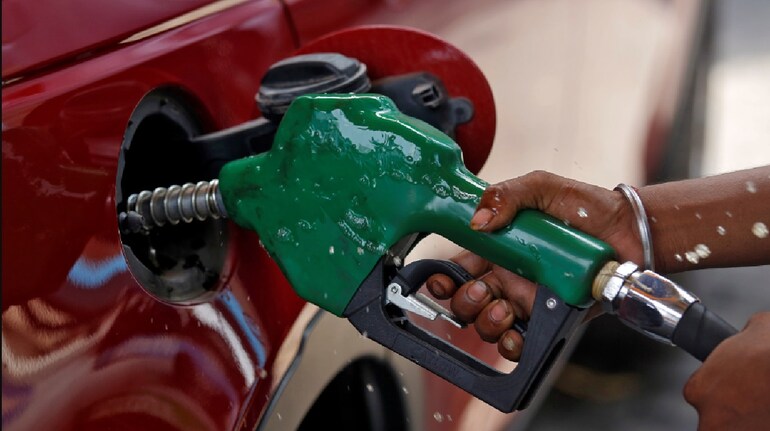

Petrol prices are rising worldwide after the West Asia war struck at the heart of energy supply.
As tensions involving the United States, Israel and Iran escalated, the risk to oil flows through the Strait of Hormuz, one of the world’s most critical energy chokepoints, pushed crude prices higher. Retail fuel prices followed quickly.
In the United States, petrol prices have risen nearly 20 percent, from $2.94 per gallon in February to $3.58, with several states crossing $4 and California breaching $5.
Globally, the surge has been even more dramatic.
After the latest escalation in the West Asia war targeted key oil and gas assets and raised risks around flows through the Strait of Hormuz, petrol prices have surged across at least 95 countries in under three weeks, with some markets seeing spikes of nearly 70 percent.
But in India, the numbers have been steady.
95 countries, one pattern: Prices move up
Data compiled from Global Petrol Prices shows that at least 95 countries recorded increases in petrol prices between February 23 and March 11.
The steepest spikes are concentrated in import-dependent economies:
Even advanced economies have not been spared:
Some countries update fuel prices monthly, suggesting more increases are likely to surface in April.
Asia feels it first and hardest
Asia’s dependence on Gulf oil has turned exposure into immediate stress.
Both have already intervened:
In South Asia, the response has been more disruptive:
India is the exception, for now
While global prices surge, India has not seen any change at the pump.
Across major cities, Delhi, Mumbai, Chennai, Kolkata, Bengaluru and Hyderabad, petrol and diesel prices have remained unchanged between February 28 and March 19.
Delhi petrol: Rs 94.77 to Rs 94.77
Mumbai petrol: ~Rs 103.50 to ~Rs 103.50
This stability stands out against a rapidly moving global backdrop.
Why prices are frozen in India
India’s fuel pricing is not fully market-linked in real time.
Administrative controls and tax structures allow the government and oil marketing companies to absorb short-term volatility, delaying the pass-through of global crude price increases to consumers.
This creates a temporary disconnect between global oil markets and domestic pump prices.
But the gap won’t hold forever
India’s position comes with constraints.
If crude prices remain elevated, the adjustment will eventually come, through price hikes or fiscal costs.
Fuel is just the first layer of the shock. The impact does not stop at petrol. Oil prices feed into:
Transport = higher logistics costs
Fertilisers = rising food prices
Manufacturing = costlier goods
Economists cited by Al Jazeera warn that large oil shocks have historically preceded periods of high inflation and economic slowdown, with parallels drawn to 1973, 1978 and 2008.
Discover the latest Business News, Sensex, and Nifty updates. Obtain Personal Finance insights, tax queries, and expert opinions on Moneycontrol or download the Moneycontrol App to stay updated!
Find the best of Al News in one place, specially curated for you every weekend.
Stay on top of the latest tech trends and biggest startup news.