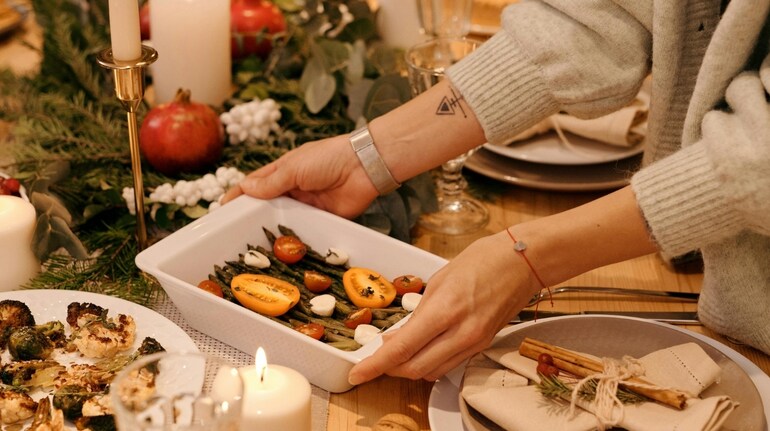

Christmas tables have always loved dramatic shades of deep reds, lush greens, glossy finishes and picture-perfect plates. But this year, the most exciting shift isn’t about excess; it’s about intention. Across professional kitchens and home dining tables alike, artificial food colours are quietly being replaced by seasonal, ingredient-led pigments.
Beetroot, hibiscus, matcha and pesto are emerging as the new stars of Christmas cooking, bringing colour that feels festive yet honest, indulgent yet nourishing. This Christmas, don’t be too surprised to see a new healthier red and green foods appear on the dinner plate, and it’s not coming from artificial dyes.
Professional and home chefs and are using beetroot, hibiscus, matcha and pesto to provide more natural colour and excitement to a dish while being both contemporary and festive. What we are experiencing is a transition from gimmicky presentations to sincere presentations of food. The holiday buffet is becoming a canvas for natural pigments and bold seasonal flavours, proving that eye-catching plates don’t need synthetic shortcuts.
When creating a plate around Christmas, the colours of the items on the plate should not only complement each other but also enhance the flavour of the food. Chef Siddharaj Pant informs, “The colour beetroot provides is a deep velvety red. It will take any food from being merely edible to exquisite, whether it’s a purée or a paté. The more jewel-like acid of the hibiscus adds a bright contrast to the glaze or dessert, while both pesto and matcha are creating a new kind of green experience; one, the herbaceous richness that we are accustomed to, the other the clean earthiness that the new-age diners love. The colours we use not only need to be beautiful to look at; they also must have nutritional, sensory, and taste integrity. For instance, the combination of beetroot carpaccio drizzled with matcha oil, or a hibiscus-glazed roast accompanied by pesto crumbs is an excellent example of how the colour and flavours can work in harmony.”
The beauty of using seasonal ingredients for colour lies in how seamlessly they enhance flavour. Beetroot’s earthy sweetness brings depth to roasts, purees and spreads. Hibiscus adds a tart, jewel-toned brightness that elevates glazes, syrups and festive desserts. Matcha offers a clean, grassy green that works beautifully in oils, breads and even savoury sauces, while pesto delivers a familiar herbaceous richness that instantly signals comfort and celebration.
Replacing artificial colouring with real ingredients doesn’t mean compromising on indulgence. In fact, it allows festive meals to feel lighter and more balanced. A beetroot hummus, hibiscus-infused cranberry compote, or a matcha butter brushed over warm bread instantly feel luxurious, without the heaviness of additives. These ingredients naturally align with winter cooking, offering warmth, depth and visual appeal that feels rooted in the season.
Seasonal fruits and vegetables are harvested at their peak, which means they are naturally richer in flavour, colour and nutrients. Beetroot in winter is sweeter and more robust, leafy greens are fresher, and herbs carry stronger aromas, making dishes more satisfying without excessive seasoning or sugar. Beyond taste, seasonal produce is easier for the body to digest and supports immunity during colder months. It’s also more sustainable, often locally sourced, and free from unnecessary processing.
Also read: 5 indoor plants that bring luck and prosperity, perfect for your Christmas decor
Discover the latest Business News, Sensex, and Nifty updates. Obtain Personal Finance insights, tax queries, and expert opinions on Moneycontrol or download the Moneycontrol App to stay updated!
Find the best of Al News in one place, specially curated for you every weekend.
Stay on top of the latest tech trends and biggest startup news.