-
My Account









Understanding Polycystic Ovarian Syndrome (PCOS): Why this endocrine disorder is more than just irregular periods
Polycystic ovarian syndrome (PCOS) is a prevalent endocrine disorder among women of reproductive age, marked by hormonal imbalance, chronic anovulation, and hyperandrogenism. It manifests as menstrual irregularities, hirsutism, acne, and metabolic issues like insulin resistance.




1/10
PCOS: More than an endocrine disorder
Polycystic ovarian syndrome, commonly known as PCOS, affects reproductive-aged women and is characterised by hormonal imbalances and ovulatory dysfunction. This condition also causes metabolic disturbances throughout the body. (Images: Canva)
Polycystic ovarian syndrome, commonly known as PCOS, affects reproductive-aged women and is characterised by hormonal imbalances and ovulatory dysfunction. This condition also causes metabolic disturbances throughout the body. (Images: Canva)
2/10
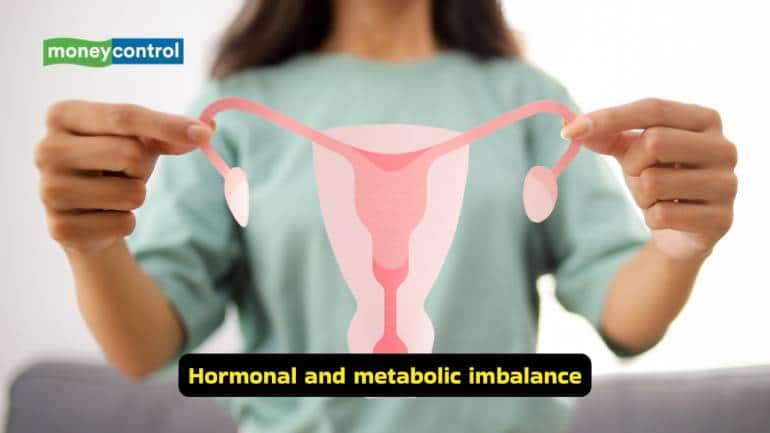
Hormonal and metabolic imbalance
PCOS involves more than just ovulatory issues; it is also linked with insulin resistance and elevated androgen levels. The ovaries develop multiple cysts, leading to reproductive, dermatological, and psychological symptoms.
PCOS involves more than just ovulatory issues; it is also linked with insulin resistance and elevated androgen levels. The ovaries develop multiple cysts, leading to reproductive, dermatological, and psychological symptoms.
3/10

Menstrual irregularities
A significant symptom of PCOS is irregular menstruation. Women with this condition often experience infrequent periods (oligomenorrhea) and prolonged cycles due to chronic anovulation, caused by persistent hormonal imbalances.
A significant symptom of PCOS is irregular menstruation. Women with this condition often experience infrequent periods (oligomenorrhea) and prolonged cycles due to chronic anovulation, caused by persistent hormonal imbalances.
4/10
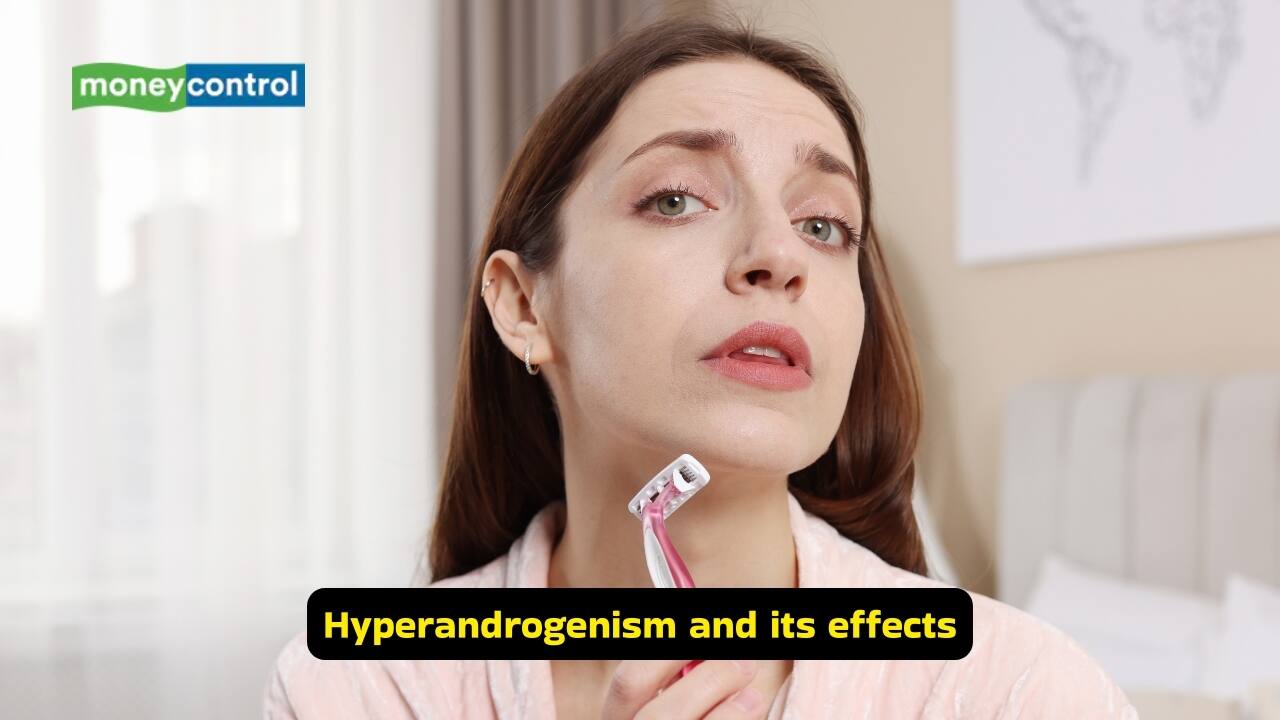
Hyperandrogenism and its effects
Another hallmark of PCOS is increased androgen levels, which result in hirsutism, acne, and hair loss. These androgens trigger male-pattern hair growth, particularly on the face and body.
Another hallmark of PCOS is increased androgen levels, which result in hirsutism, acne, and hair loss. These androgens trigger male-pattern hair growth, particularly on the face and body.
5/10
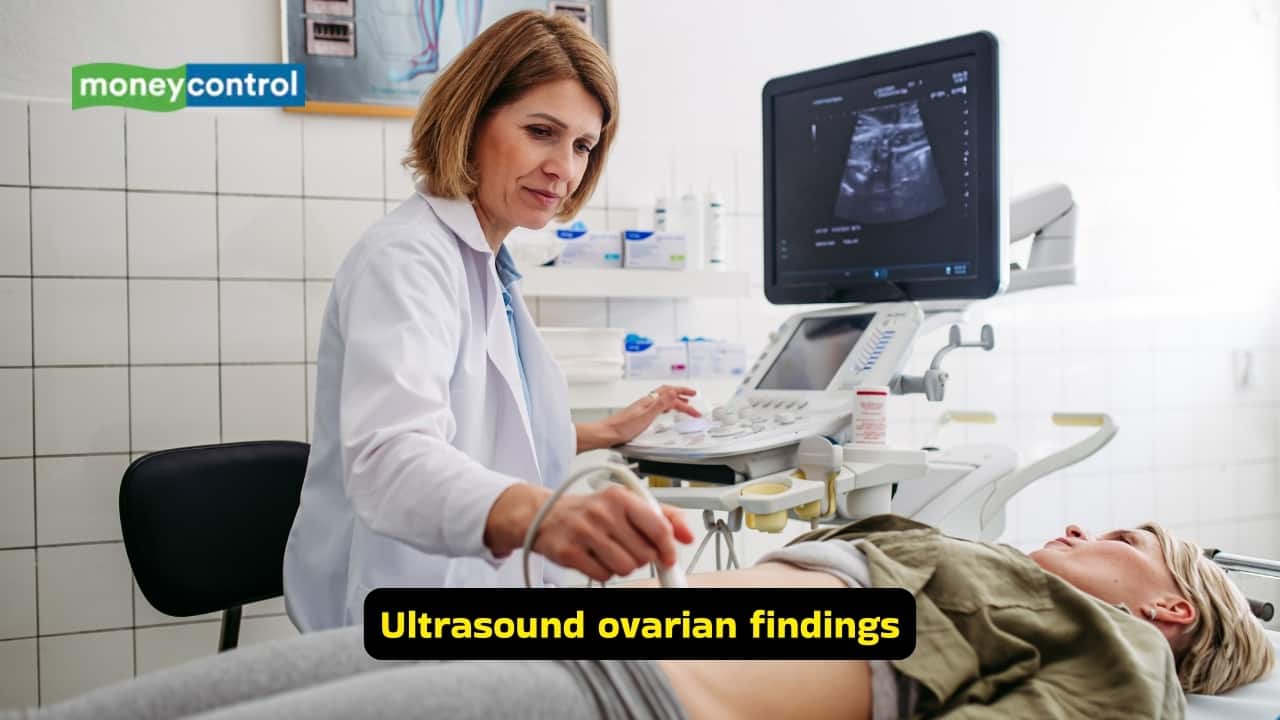
Ultrasound bvarian findings
Ultrasound examinations reveal enlarged ovaries with multiple small follicles arranged in a “string of pearls” pattern. Each ovary may have twenty or more follicles, with ovarian volume typically exceeding the normal range.
Ultrasound examinations reveal enlarged ovaries with multiple small follicles arranged in a “string of pearls” pattern. Each ovary may have twenty or more follicles, with ovarian volume typically exceeding the normal range.
6/10
Insulin resistance association
PCOS is strongly associated with insulin resistance, affecting both obese and lean women. Elevated insulin levels exacerbate androgen excess and ovulatory dysfunction, increasing the risk of developing type 2 diabetes mellitus over time.
PCOS is strongly associated with insulin resistance, affecting both obese and lean women. Elevated insulin levels exacerbate androgen excess and ovulatory dysfunction, increasing the risk of developing type 2 diabetes mellitus over time.
7/10
Weight gain and obesity
Women with PCOS often experience weight gain and find it challenging to lose weight. Increased adipose tissue worsens insulin resistance and hormonal imbalances, further aggravating menstrual irregularities and creating a vicious cycle.
Women with PCOS often experience weight gain and find it challenging to lose weight. Increased adipose tissue worsens insulin resistance and hormonal imbalances, further aggravating menstrual irregularities and creating a vicious cycle.
8/10

Cutaneous manifestations
Skin issues such as acne, oily skin, acanthosis nigricans, and thinning scalp hair are common in PCOS. The presence of acanthosis nigricans indicates underlying insulin resistance and should not be overlooked during clinical assessments.
Skin issues such as acne, oily skin, acanthosis nigricans, and thinning scalp hair are common in PCOS. The presence of acanthosis nigricans indicates underlying insulin resistance and should not be overlooked during clinical assessments.
9/10

Psychological impact
PCOS significantly affects mental health, increasing the risk of anxiety, depression, and body-image concerns. Chronic symptoms such as obesity, infertility, and hirsutism can cause emotional distress, underscoring the need for psychological support.
PCOS significantly affects mental health, increasing the risk of anxiety, depression, and body-image concerns. Chronic symptoms such as obesity, infertility, and hirsutism can cause emotional distress, underscoring the need for psychological support.
10/10
Lifestyle modification and management
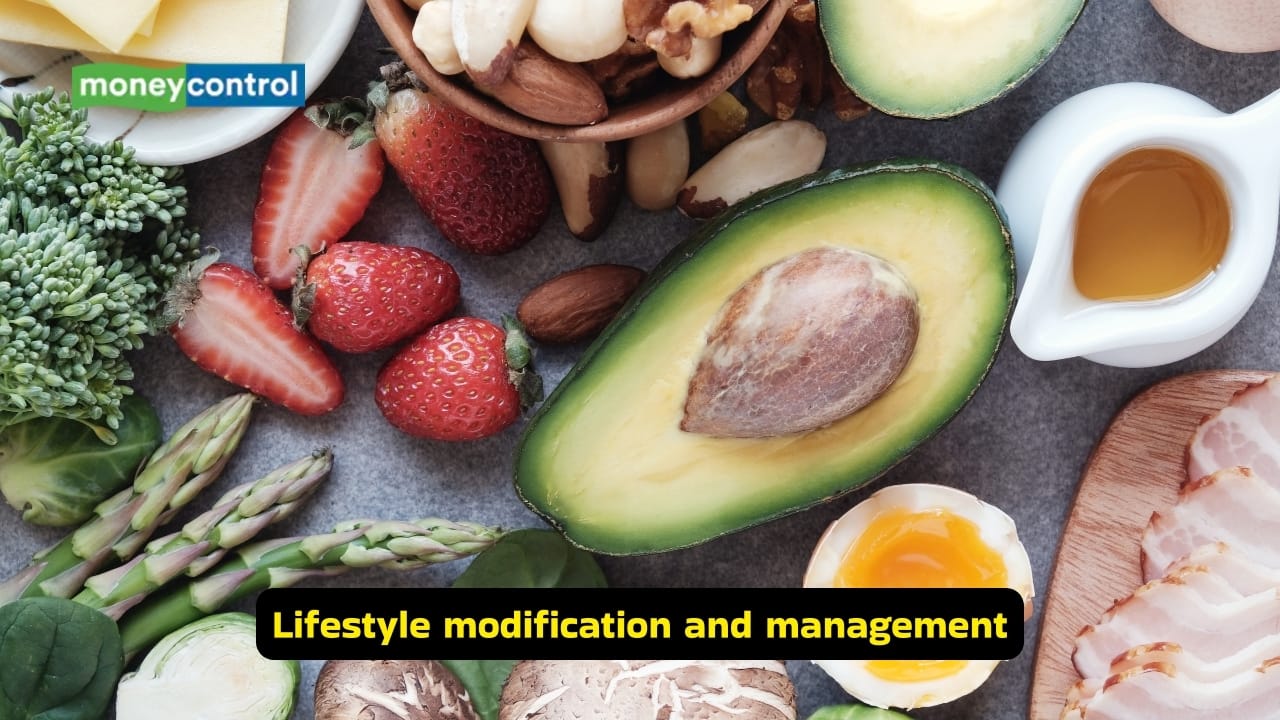
Lifestyle changes are crucial in managing PCOS. Weight loss through dietary changes and regular physical activity improves insulin sensitivity, helps restore ovulation, and regulates menstrual cycles, forming the cornerstone of PCOS management. (Disclaimer: This article, including health and fitness advice, only provides generic information. Don’t treat it as a substitute for qualified medical opinion. Always consult a specialist for specific health diagnosis)
Lifestyle changes are crucial in managing PCOS. Weight loss through dietary changes and regular physical activity improves insulin sensitivity, helps restore ovulation, and regulates menstrual cycles, forming the cornerstone of PCOS management. (Disclaimer: This article, including health and fitness advice, only provides generic information. Don’t treat it as a substitute for qualified medical opinion. Always consult a specialist for specific health diagnosis)
Discover the latest Business News, Budget 2025 News, Sensex, and Nifty updates. Obtain Personal Finance insights, tax queries, and expert opinions on Moneycontrol or download the Moneycontrol App to stay updated!



