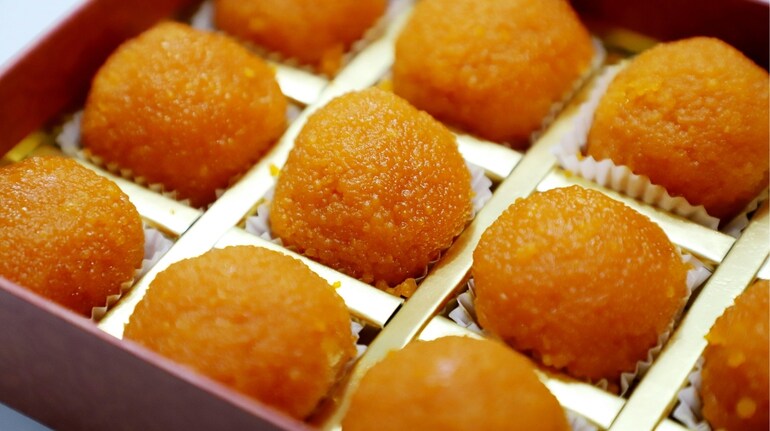
Diwali is all about laddoos, halwas, barfis and kheer — sweet delights that bring joy, camaraderie and indulgence to the day. But, here's a word of caution: These treats are full of refined sugar, maida and unhealthy fats.
Dr Yashawant Kumar, Founder & CEO of Benefic Nutrition, tells Moneycontrol: "While something traditional might sound boring, small changes in the recipe can make it exciting. It’s not about giving up traditional sweets. You can stay healthy by simply reformulating them — with natural sweeteners, whole-grain flours, nutrient-dense nuts and heart-healthy fats. By re-imagining the ingredients and techniques, we can enjoy the real flavours of Indian food and maintain our health and energy levels."
Consider some simple swaps — date puree in place of refined sugar, or baking instead of deep frying! These deliberate decisions not only make sweets lighter on the body but also introduce significant nourishment to your festive celebrations.
Also read | India's forgotten sweets: 8 traditional desserts on the brink of extinction
Make your sweets healthier
Switch to natural sweeteners:
In India, our ancestors sweetened their foods with natural options like dates (khajoor) and honey. They are packed with fibre, which slows down sugar absorption, and also contains essential minerals like potassium and magnesium. For ladoos, try this by creating a paste with 1 cup of dates along with 1/2 cup of figs and a little bit of water.
Consider replacing refined white sugar and jaggery with natural sweetenerssuch as monk fruit extract, stevia and natural erythritol. These alternatives provide sweetness without the blood sugar spikes and added calories, making your laddoos, halwas, cakes and panjiris healthier while giving the delightful flavour. For caramel-like sweetness, date puree is an excellent choice. They work as good as sugar in shrikhand, kheer, and rasgulla syrup.
Upgrade your flours for nutrient-dense flours:
Refined flour or maida is stripped of its bran and germ, much of its fibre, vitamins, and minerals. Whole-grain and legume-based flours release energy slowly, keeping you full for longer.
Gram flour or Besan: This is a plant-based protein and fibre powerhouse. For besan ke laddoo, you can toast the besan to your perfection and build a full nutritional profile with no other adjustments. And you are already with a foundation of protein!
Whole wheat and oat flour: Replace 50 percent of the maida in your namkeen sev or mathri with whole wheat flour or finely powdered oats. This is a huge addition to the fibre, which assists in digestive health.
Nut flours: To use as a premium and free from gluten option, you can use almond flour or coconut flour in baked products such as nan khatai. They are made from healthy fats and protein.
During Navratri, when many fast, rely on flours like singhara (water chestnut) and kuttu (buckwheat). These are inherently gluten-free and packed with fibre and nutrients. Extend this wisdom to Diwali sweets.
Also read | 10 Indian sweets legends that made it to 2023 TasteAtlas list of world’s 150 most legendary dessert places
Rethink fats and cooking methods:
The type of oil or fat used and method of cooking is critical to the health quotient of a dish. Refined oils are mostly processed with high heat and chemicals, which could damage oils fatty acid structure and generate trans fats. However, cold-pressed oils and traditional ghee have higher smoke points and are more stable for cooking at higher temperatures.
Ghee is rich in fat-soluble vitamins and butyric acid, which supports gut health. Use can use desi ghee for frying puris or for roasting the flour in halwa. Its flavour is amazing, and it is a much healthier choice than hydrogenated refined oils.
Choose baking over frying:
Make gulab jamun dough into small balls and bake them at 180°C for 20-25 minutes until golden brown, then soak them in warm sugar-free syrup. The result is a significantly lower-fat gulab jamun and still soft and delicious.
Air frying: An air fryer can create deliciously crisp shankarpali and karanji with just a bit of cold pressed oil, could help reduce fat by up to 70-80%.
Boost nutrition with nuts, seeds, and superfoods:
Consider improving the nutritional values of your sweets by topping them with nuts like almonds, walnuts, and pistachios, along with seeds like pumpkin and flax seeds. Nuts and seeds are rich in healthy fats like Omega-3s, protein, fibre, in addition to Vitamin E and zinc.
Try energy laddu: Most people just think about dried fruits. It's time to move beyond these. Mix almonds, walnuts, pumpkin seeds (rich in zinc), and flax seeds (high in Omega-3). Add date paste and a little bit of desi ghee. Roll them in sesame seeds, chia seeds and desiccated coconut and get that extra calcium and iron.
Add superfood toppings: Consider garnishing your kheer, burfi, or phalooda with pistachios, cashews, almonds, chia seeds.
The key is portion control: Mindful eating is critical here. Treat yourself to a small portion on a plate or a bowl instead of eating directly from the box. Chew each bite slowly. This enables us to enjoy the taste fully and helps your brain register satisfaction, stopping you from overeating.
FAQs on How To Make Indian Sweets Healthier
What are some healthy alternatives to refined sugar in Indian sweets?
Natural sweeteners like date puree, honey, monk fruit extract, stevia, and natural erythritol can be used instead of refined sugar. They add sweetness without causing blood sugar spikes and offer additional nutrients.
How can I make traditional Indian sweets healthier?
Reformulate recipes by using natural sweeteners, whole-grain flours, nutrient-dense nuts, and heart-healthy fats. This way, you can enjoy traditional sweets with improved nutritional value.
What type of flours can I use to make my sweets more nutritious?
Use whole-grain flours such as gram flour (besan), whole wheat flour, oat flour, almond flour, and coconut flour. These flours add fibre, protein, and essential nutrients to your sweets.
Which cooking methods can reduce the fat content in Indian sweets?
Opt for baking or air frying instead of deep frying. For example, bake gulab jamun dough or air fry shankarpali and karanji for a lower-fat version of these traditional sweets.
How can I enhance the nutritional value of my Indian sweets?
Add nuts like almonds, walnuts, and pistachios, and seeds such as pumpkin and flax seeds. These ingredients are rich in healthy fats, protein, fibre, and essential vitamins and minerals.
Disclaimer: This article, including health and fitness advice, only provides generic information. Don’t treat it as a substitute for qualified medical opinion. Always consult a specialist for specific health diagnosis.
Discover the latest Business News, Sensex, and Nifty updates. Obtain Personal Finance insights, tax queries, and expert opinions on Moneycontrol or download the Moneycontrol App to stay updated!
Find the best of Al News in one place, specially curated for you every weekend.
Stay on top of the latest tech trends and biggest startup news.