- My Alerts
- Go Ad-Free
-
My Account











Causes and symptoms of Developmental Dysplasia of the Hip, a condition where the infant’s hip joint does not form properly
Developmental dysplasia of the hip is a condition where the hip joint does not form properly, ranging from instability to complete dislocation. It is more common in female and breech-born infants.




1/10
What is Developmental Dysplasia of the Hip
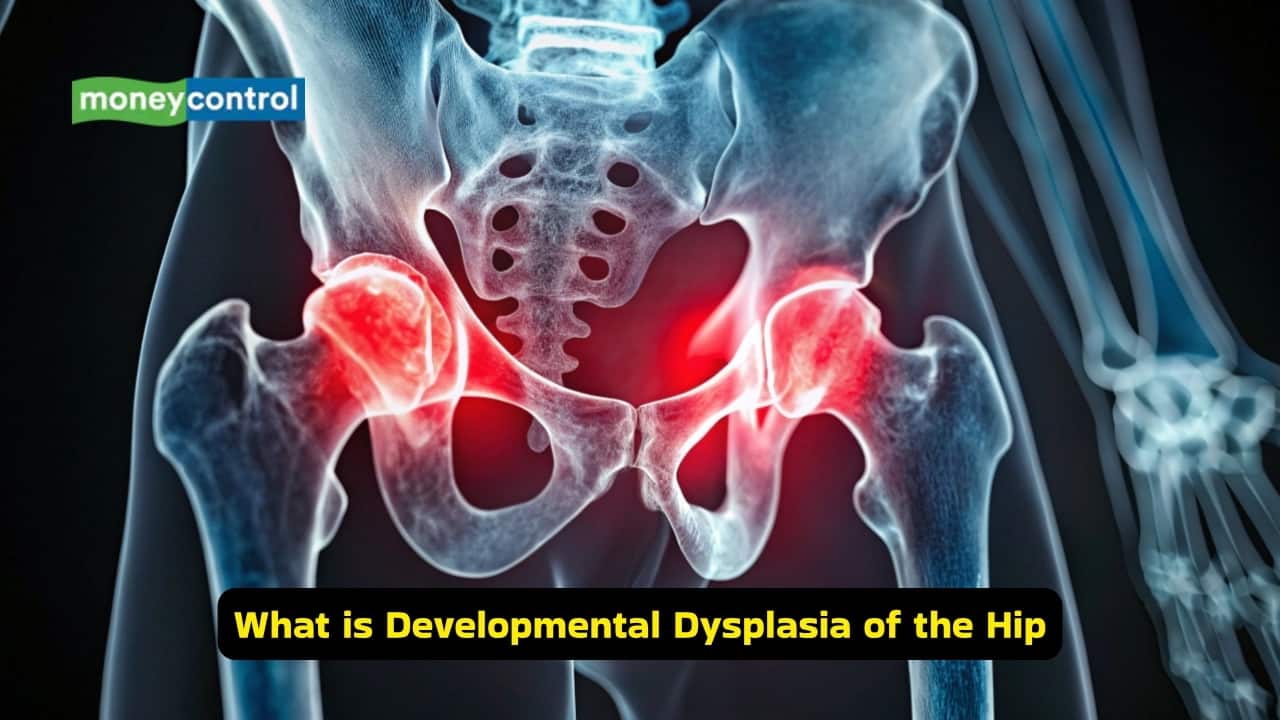
Developmental dysplasia of the hip refers to the abnormalities in the hip joint which can range from mild acetabular dysplasia (abnormal growth) to complete dislocation. The acetabulum and the head of the femur are unable to form adequately. When left untreated, they can lead to deformity (Images: Canva)
Developmental dysplasia of the hip refers to the abnormalities in the hip joint which can range from mild acetabular dysplasia (abnormal growth) to complete dislocation. The acetabulum and the head of the femur are unable to form adequately. When left untreated, they can lead to deformity (Images: Canva)
2/10

Risk factors of Developmental Dysplasia of the Hip
This condition is more commonly seen in females, and in first-born children. The chances of the baby having developmental dysplasia of hip increase if the position of the baby in the mother’s womb is not normal, as seen in breech presentation (where the baby’s buttocks or legs are towards the vaginal opening instead of the head).
This condition is more commonly seen in females, and in first-born children. The chances of the baby having developmental dysplasia of hip increase if the position of the baby in the mother’s womb is not normal, as seen in breech presentation (where the baby’s buttocks or legs are towards the vaginal opening instead of the head).
3/10
Causes of Developmental Dysplasia of the Hip
Genetic and mechanical causes contribute to developmental dysplasia of hip, along with hormonal influences. Practices like tight swaddling of a baby post-delivery have also been found to be a risk factor. If the head of the thigh remains unstable, it can cause further complications.
Genetic and mechanical causes contribute to developmental dysplasia of hip, along with hormonal influences. Practices like tight swaddling of a baby post-delivery have also been found to be a risk factor. If the head of the thigh remains unstable, it can cause further complications.
4/10

Clinical features in infants
Early signs of this condition include restriction of movements at the hip, especially hip abduction. The thigh folds may seem asymmetric, and there may be some apparent limb shortening. In older children, a specific type of walking pattern, known as the Trendelenburg gait, can be seen.
Early signs of this condition include restriction of movements at the hip, especially hip abduction. The thigh folds may seem asymmetric, and there may be some apparent limb shortening. In older children, a specific type of walking pattern, known as the Trendelenburg gait, can be seen.
5/10
Clinical signs in older children
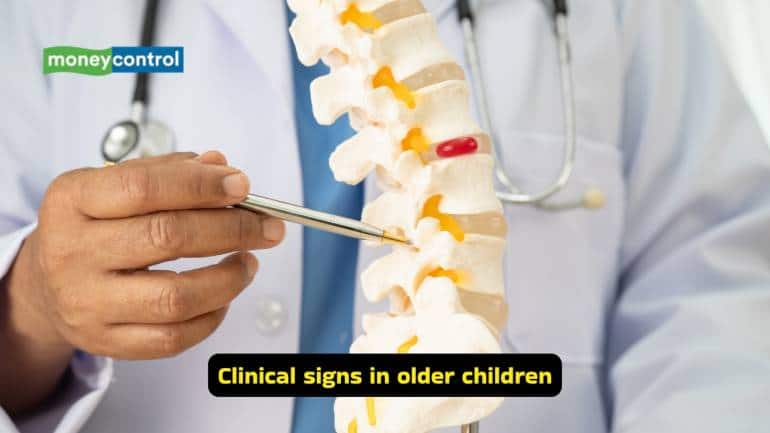
While infants may not show obvious abnormalities, it is crucial to diagnose this condition early, as a delay in the diagnosis can later result in pelvic tilt and lumbar lordosis (excessive inward curve of the lower back). Limb length discrepancy and limping can be seen in some patients.
While infants may not show obvious abnormalities, it is crucial to diagnose this condition early, as a delay in the diagnosis can later result in pelvic tilt and lumbar lordosis (excessive inward curve of the lower back). Limb length discrepancy and limping can be seen in some patients.
6/10

Importance of early screening
The key to early diagnosis is screening of babies for developmental dysplasia of hip. Certain tests like Barlow and Ortolani can detect a dislocatable hip. This examination must be carried out at birth, and continued during the follow-up visits.
The key to early diagnosis is screening of babies for developmental dysplasia of hip. Certain tests like Barlow and Ortolani can detect a dislocatable hip. This examination must be carried out at birth, and continued during the follow-up visits.
7/10

Examination and diagnostic tests
When the healthcare providers perform a newborn’s examination, they usually focus on detecting the instability in the baby. Once the child reaches an age when they can begin walking, there may be limited abduction and difficulty in walking. The parents of the child notice a waddling type of gait.
When the healthcare providers perform a newborn’s examination, they usually focus on detecting the instability in the baby. Once the child reaches an age when they can begin walking, there may be limited abduction and difficulty in walking. The parents of the child notice a waddling type of gait.
8/10
Ultrasound imaging in infants
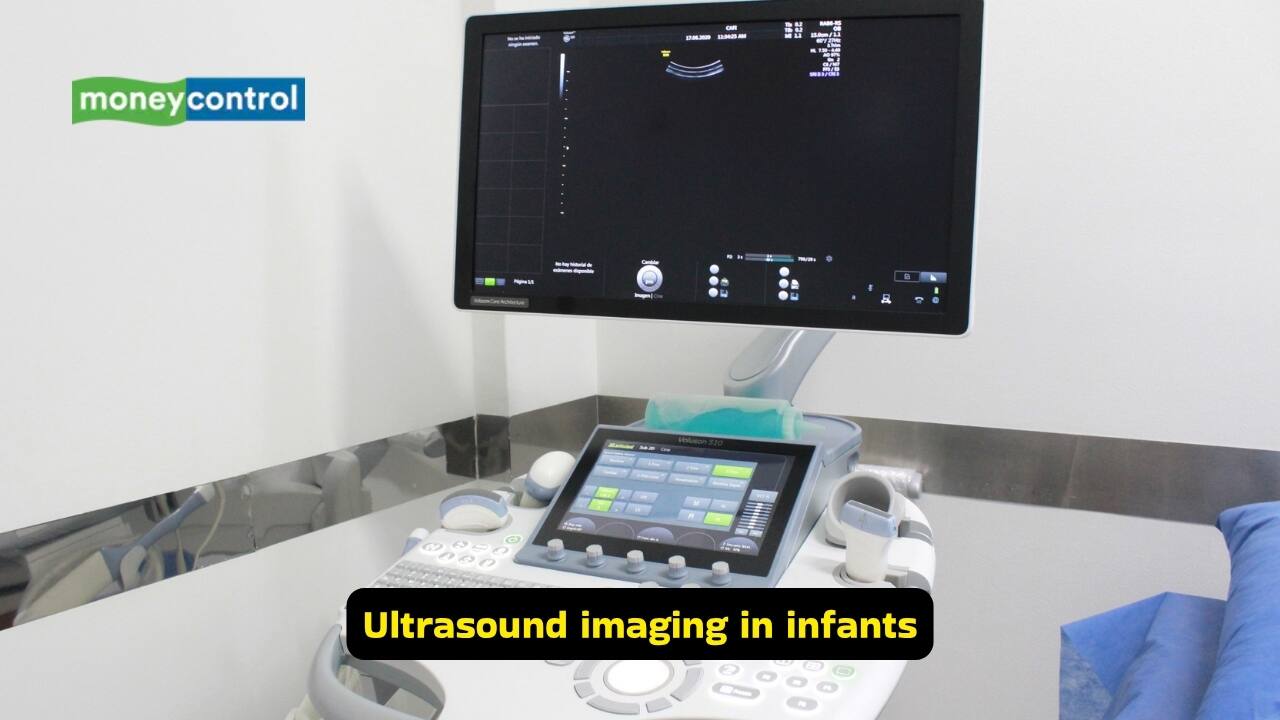
Before six months of age, it is recommended to use ultrasonography as the imaging modality of choice for identifying this condition. Hip stability and reduction, if any, can be identified using an ultrasound. It is used in babies as it does not increase the risk of radiation exposure.
Before six months of age, it is recommended to use ultrasonography as the imaging modality of choice for identifying this condition. Hip stability and reduction, if any, can be identified using an ultrasound. It is used in babies as it does not increase the risk of radiation exposure.
9/10
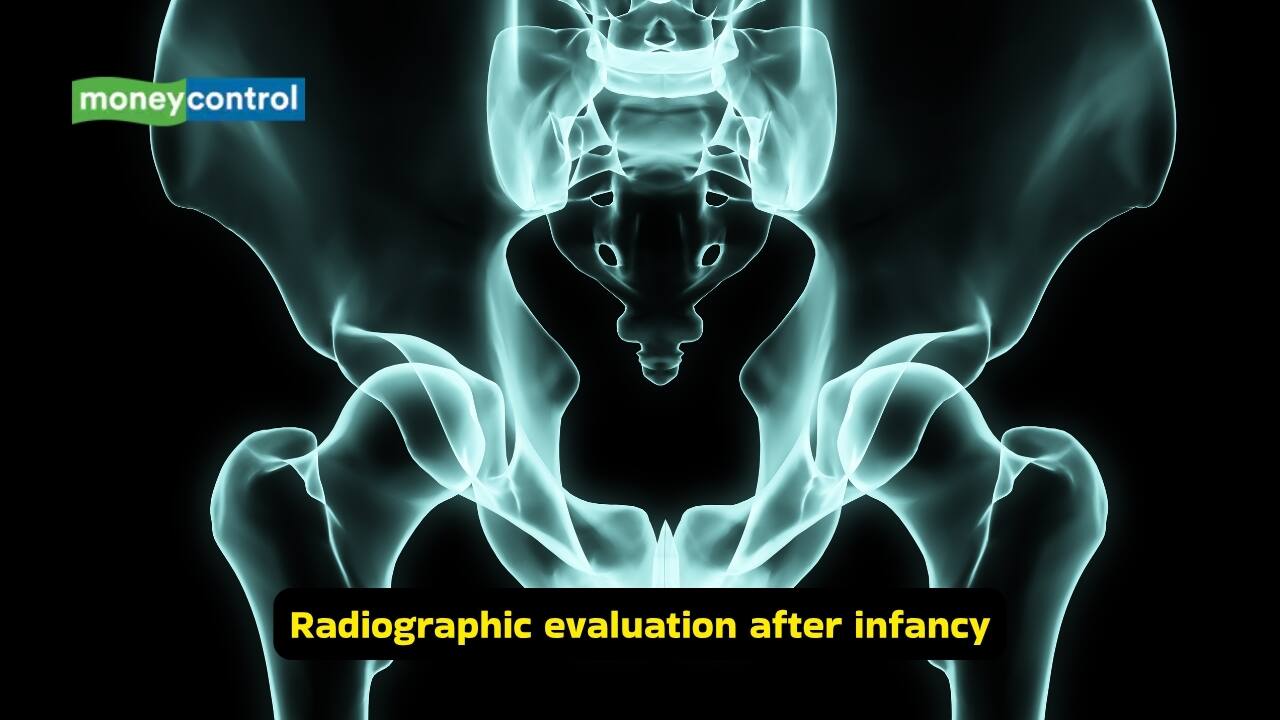
Radiographic evaluation after infancy
After six months of age, however, an X-ray may be advised. When left untreated, developmental dysplasia of hip can cause pain, problems in gait, and enhance the risk of early degenerative hip disease. High hip dislocation can predispose to severe functional limitation.
After six months of age, however, an X-ray may be advised. When left untreated, developmental dysplasia of hip can cause pain, problems in gait, and enhance the risk of early degenerative hip disease. High hip dislocation can predispose to severe functional limitation.
10/10
Early treatment and complications
In newborns, when the condition is diagnosed at an early stage, a harness may be given that maintains the flexion and abduction of hip. However, time-to-time monitoring is required so as to prevent complications like femoral nerve palsy, and even avascular necrosis (Disclaimer: This article, including health and fitness advice, only provides generic information. Don’t treat it as a substitute for qualified medical opinion. Always consult a specialist for specific health diagnosis)
In newborns, when the condition is diagnosed at an early stage, a harness may be given that maintains the flexion and abduction of hip. However, time-to-time monitoring is required so as to prevent complications like femoral nerve palsy, and even avascular necrosis (Disclaimer: This article, including health and fitness advice, only provides generic information. Don’t treat it as a substitute for qualified medical opinion. Always consult a specialist for specific health diagnosis)
Discover the latest Business News, Budget 2025 News, Sensex, and Nifty updates. Obtain Personal Finance insights, tax queries, and expert opinions on Moneycontrol or download the Moneycontrol App to stay updated!



