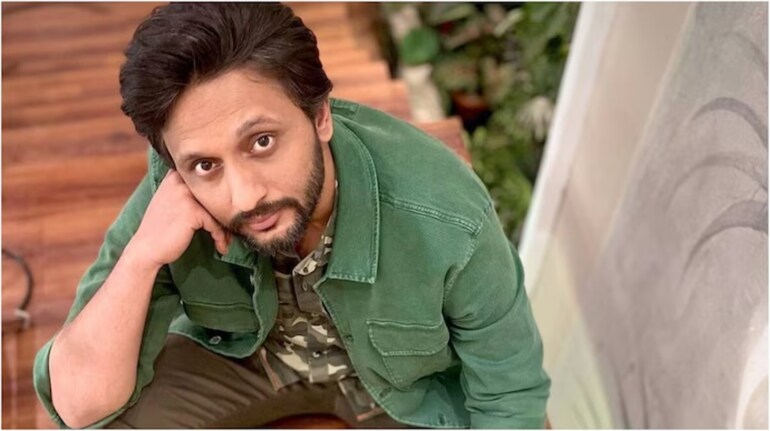
Actor Mohammed Zeeshan Ayyub, who is often seen as one of Hindi cinema’s most dependable performers, says he consciously stepped away from big-star films to rebuild his career on his own terms.
In an exclusive conversation with Moneycontrol, Zeeshan revealed that he was frustrated by being overlooked despite impactful roles and that drove him to rework on his strategy, take a backseat and only do selected roles.
Zeeshan, who has given author backed performances in movies like Raanjhanaa and Tanu Weds Manu, told us that he recalibrated his choices, shifted towards OTT, and committed to stories where he carried real responsibility.
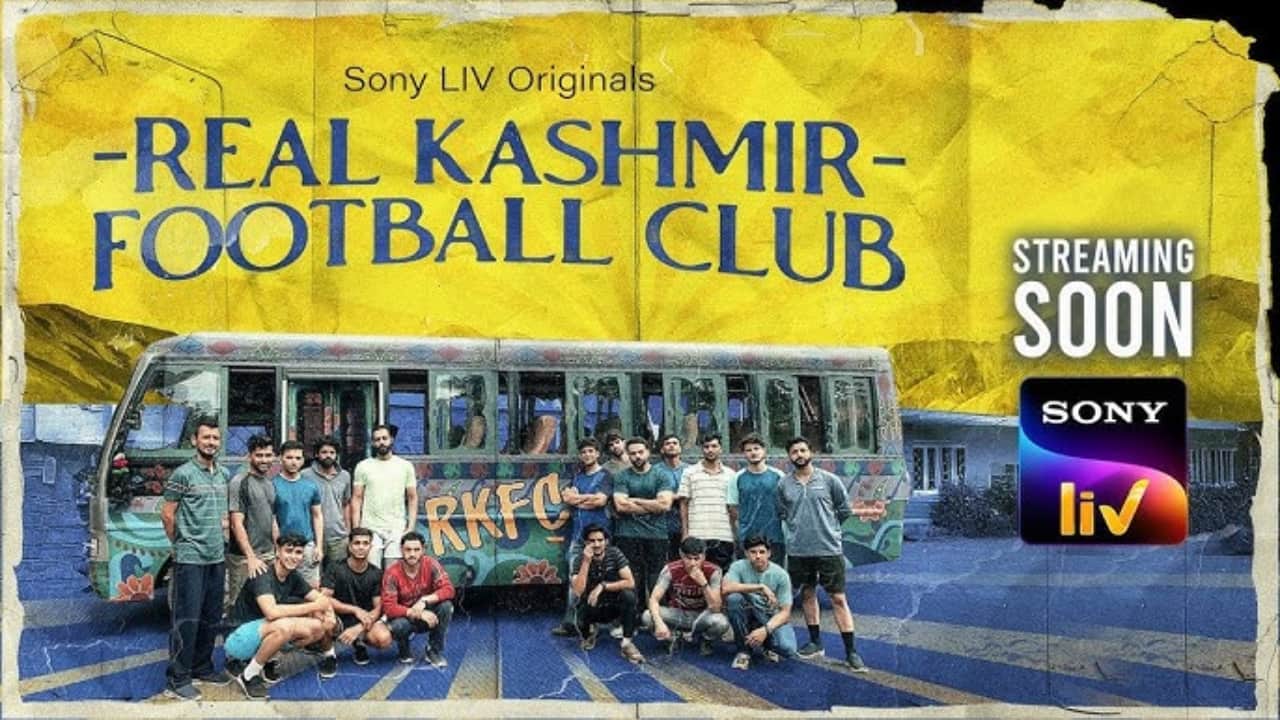
Zeeshan, who is now gearing up for the release of 'Real Kashmir Football Club' on Sony Liv, explained why he refused marquee projects and how that move actually helped him evolve as an actor.
Zeeshan plays the role of a football coach from Kashmir and he stresses that the role and the series shows Kashmir in a different light altogether.
Deliberately refusing big star movies
Zeeshan also said he deliberately stopped taking on big-star films after realising that his work was routinely overshadowed in such setups.
“I made a conscious decision, no more big-star films unless the character was strong and the responsibility was mine,” Zeeshan told us.
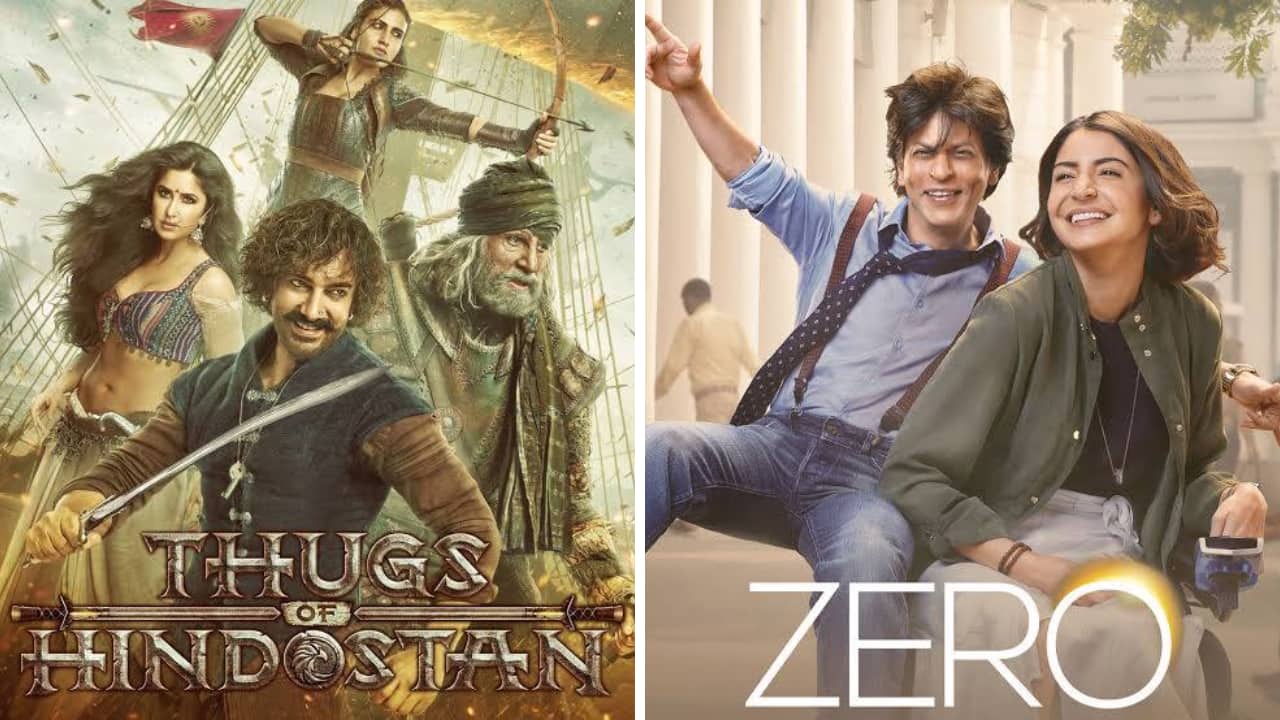
And this shift came after big star films like 'Thugs of Hindostan' which had Aamir khan and Zero with Shah Rukh Khan, where, he says, despite having important roles, his performances were reduced to single-line mentions.
“I didn’t get anything from those films. I was part of them, but the media and audience ignored my contribution,” he added.
Following his dissatisfaction, Ayyub recalibrated his choices and declined multiple big-banner offers. “For 2–3 years after Covid, I told myself: let’s not do big films, let’s find our space,” he said.
According to Zeeshan, responsibility not visibility became his key criterion while selecting roles. “If a story succeeds or fails, I should share the credit or blame. If I’m barely part of the screenplay, I don’t want to be there," he tells us.
He admits that this difficult decision, indeed, slowed his pace but strengthened his identity as an actor who is seeking meaningful storytelling over scale.
OTT Provided the Turning Point
During the course of the interview, we also asked him about the impact of OTT on his professional life, and Zeeshan said he credits digital platforms for enabling actors like him to break out of the “supporting actor” mould.
“The long format of OTT was a blessing. It allowed deeper exploration and helped people trust that I could lead a narrative,” he said.
Zeeshan also believes OTT bridged the gap between his craft and audience perception, giving him central roles that mainstream film structures often deny to character actors.
Zeeshan Ayyub’s latest project, set in Kashmir, sees him playing Sohail Mir, a figure who oscillates between coach, manager and community leader.
“What mattered wasn’t whether he was a coach or manager. What mattered was what he added to the story. We are trained to leave our cities to find better lives. But Sohail believes in taking everyone along. That humanity stood out," he said while talking about Real Kashmir Football Club.
Real Kashmir Football Club is going to stream on Sony Liv from December 9.
The series takes an unusual approach by focussing on the lives of regular Kashmiris, something Zeeshan says no other series or movie has ever explored.
“We always see unrest or scenic beauty. But what about daily life, jobs, struggles, routines? Ordinary people in Kashmir are never shown,” he said.
We also asked him about a tense stone-pelting sequence early in the show and why was it necessary? To this Zeeshan said it was a deliberate choice by the makers. “If we remove the tension and only talk about football, the story loses strength. Poverty, disparity, uncertainty, these are part of the region’s reality.”
He described the sequence as the creators’ way of addressing viewers’ preconceived notion about the valley: “This is how you see Kashmir. Now let us tell you another story.”
While preparing for the role, Zeeshan said he focused on understanding how people living in conflict zones process stress. “I live in Mumbai with privileges. If there’s tension, I panic. But someone surrounded by low-level tension daily behaves differently,. My homework was to know that for them, it’s normal. It changes posture, reactions, everything.”
Zeeshan Ayyub acknowledged that Raanjhanaa created the foundation for his career. "Raanjhanaa was the overnight change. One Thursday I was a nobody and then on Friday the industry saw me differently," he said.
He adds that even unsuccessful films contributed to his growth. “Small things build up. When OTT arrived, years of work helped people trust I could carry a central role.”
With his choices now governed by purpose, Zeeshan says he is uninterested in appearances without impact. “If I’m not part of the story meaningfully, I don’t want to be there. If the story is badly told, I am responsible. If it’s good, I deserve the credit too," he said.
By turning down star-driven setups and focusing on character-driven narratives, Zeeshan has rebuilt his trajectory from the inside out. Today, he stands not as a supporting face, but as a performer trusted with central roles—an evolution he calls “intentional and necessary.”

Discover the latest Business News, Sensex, and Nifty updates. Obtain Personal Finance insights, tax queries, and expert opinions on Moneycontrol or download the Moneycontrol App to stay updated!
Find the best of Al News in one place, specially curated for you every weekend.
Stay on top of the latest tech trends and biggest startup news.