- My Alerts
- Go Ad-Free
-
My Account












10 Small Daily Practices That Improve Your Exam Performance
Discover ten simple everyday habits that help students improve exam preparation. Each practice supports better focus, understanding, and confidence through steady and organised learning.




1/10

Start Your Day with a Short Study Review
A quick review in the morning helps your mind reconnect with what you studied earlier. Reading your notes, going through a few examples, or revising key points sets a steady tone for the rest of the day. This habit keeps your memory active and gives you a clear idea of what needs more attention. It also reduces the stress that comes from last-minute learning because you stay in touch with your subjects every day.
A quick review in the morning helps your mind reconnect with what you studied earlier. Reading your notes, going through a few examples, or revising key points sets a steady tone for the rest of the day. This habit keeps your memory active and gives you a clear idea of what needs more attention. It also reduces the stress that comes from last-minute learning because you stay in touch with your subjects every day.
2/10
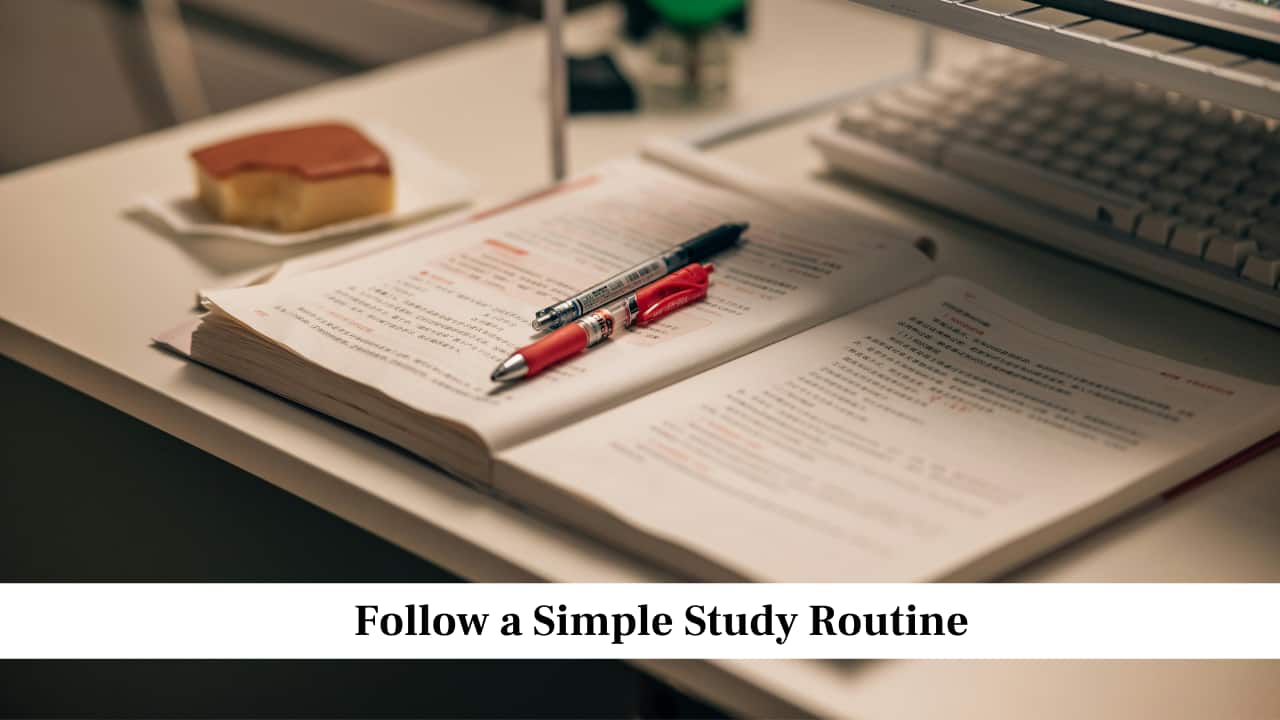
Follow a Simple Study Routine
A stable routine helps you stay organised. Fixing a time for study, breaks, and revision makes it easier to manage all your subjects without feeling rushed. It also helps your mind prepare for study at the same time each day. A simple routine prevents confusion about what to study next and stops you from leaving everything for later. Over time, it leads to steady improvement in understanding and performance.
A stable routine helps you stay organised. Fixing a time for study, breaks, and revision makes it easier to manage all your subjects without feeling rushed. It also helps your mind prepare for study at the same time each day. A simple routine prevents confusion about what to study next and stops you from leaving everything for later. Over time, it leads to steady improvement in understanding and performance.
3/10

Break Topics into Small Tasks
Large lessons often feel difficult, so breaking them into smaller tasks makes them easier to handle. When you divide a chapter into short sections, you understand each part more clearly and avoid feeling overwhelmed. This method also helps you track your progress and stay motivated as you complete each small task. It reduces pressure and helps you focus better, especially when preparing for exams with large syllabuses.
Large lessons often feel difficult, so breaking them into smaller tasks makes them easier to handle. When you divide a chapter into short sections, you understand each part more clearly and avoid feeling overwhelmed. This method also helps you track your progress and stay motivated as you complete each small task. It reduces pressure and helps you focus better, especially when preparing for exams with large syllabuses.
4/10

Revise a Little Every Day
Daily revision strengthens your memory and makes learning more stable. Revising key concepts, formulas, diagrams, or definitions for a few minutes each day stops you from forgetting what you studied earlier. Regular revision removes the need for long last-minute sessions. It also helps you understand the subject more deeply because you revisit information several times. This practice makes you feel more confident when the exam day arrives.
Daily revision strengthens your memory and makes learning more stable. Revising key concepts, formulas, diagrams, or definitions for a few minutes each day stops you from forgetting what you studied earlier. Regular revision removes the need for long last-minute sessions. It also helps you understand the subject more deeply because you revisit information several times. This practice makes you feel more confident when the exam day arrives.
5/10

Practise Writing Answers
Writing practice is an important part of exam preparation. When you write answers regularly, you learn how to express your thoughts clearly and within time. It also helps you remember information better than only reading. You can practise with sample questions or questions from previous years. This habit also improves your speed and neatness, which are useful during the exam. Daily writing practice makes your answers more structured and accurate.
Writing practice is an important part of exam preparation. When you write answers regularly, you learn how to express your thoughts clearly and within time. It also helps you remember information better than only reading. You can practise with sample questions or questions from previous years. This habit also improves your speed and neatness, which are useful during the exam. Daily writing practice makes your answers more structured and accurate.
6/10
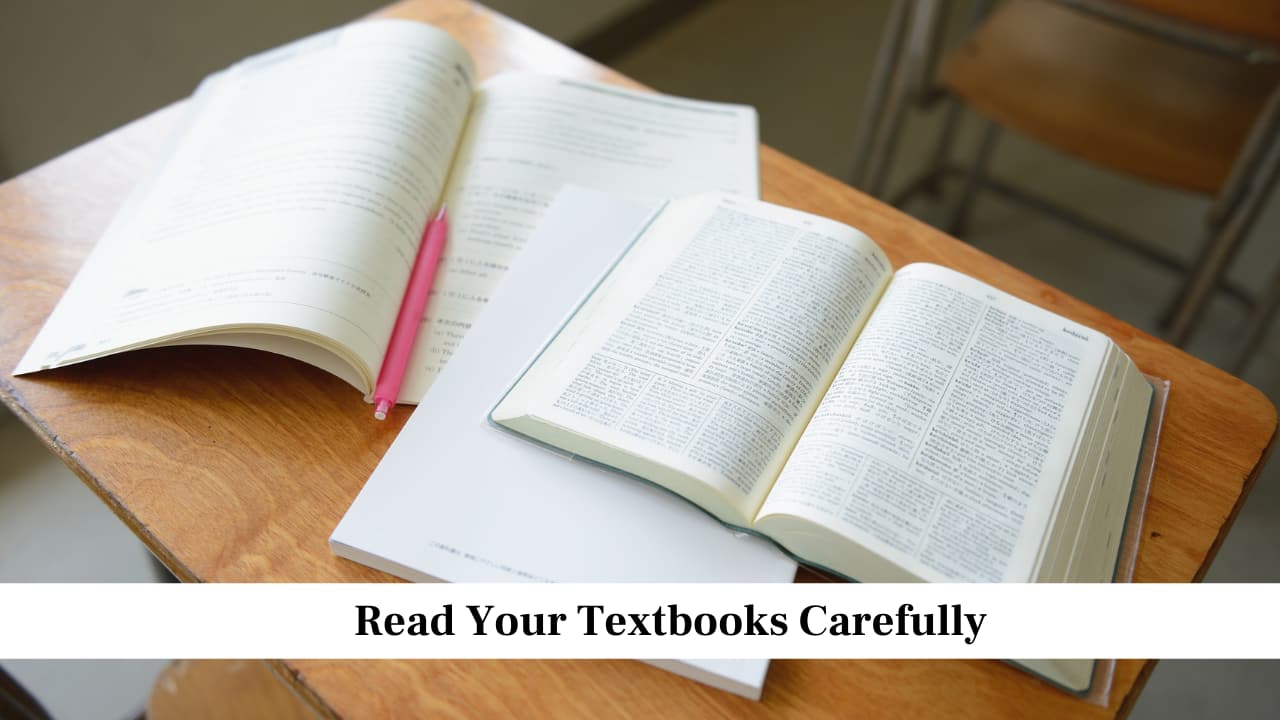
Read Your Textbooks Carefully
Reading textbooks with attention helps you understand the subject instead of only memorising it. Textbooks explain concepts in a clear and organised way, which creates a strong base for learning. When you read carefully, you notice small points that you may miss during quick revision. This practice also helps during writing answers, as you are able to explain ideas in a simple and correct manner. Slow and steady reading improves understanding with each day.
Reading textbooks with attention helps you understand the subject instead of only memorising it. Textbooks explain concepts in a clear and organised way, which creates a strong base for learning. When you read carefully, you notice small points that you may miss during quick revision. This practice also helps during writing answers, as you are able to explain ideas in a simple and correct manner. Slow and steady reading improves understanding with each day.
7/10

Take Short Breaks During Study
Short breaks prevent your mind from becoming tired and help you stay focused. Studying for long hours without rest often reduces concentration and makes learning slow. A small break to stretch, drink water, or walk around refreshes your mind. It also helps you return to your study with better clarity. Breaks are especially useful when you study difficult subjects, as they reduce mental pressure and improve overall productivity.
Short breaks prevent your mind from becoming tired and help you stay focused. Studying for long hours without rest often reduces concentration and makes learning slow. A small break to stretch, drink water, or walk around refreshes your mind. It also helps you return to your study with better clarity. Breaks are especially useful when you study difficult subjects, as they reduce mental pressure and improve overall productivity.
8/10

Stay Away from Distractions
Keeping your phone, television, or social media away during study hours helps you stay focused. Distractions break your concentration and increase the time you take to finish your tasks. When you study in a quiet place, you understand topics more easily and remember them for longer. This practice also helps you finish your work on time, leaving enough space for revision. Staying focused each day leads to steady progress in exam preparation.
Keeping your phone, television, or social media away during study hours helps you stay focused. Distractions break your concentration and increase the time you take to finish your tasks. When you study in a quiet place, you understand topics more easily and remember them for longer. This practice also helps you finish your work on time, leaving enough space for revision. Staying focused each day leads to steady progress in exam preparation.
9/10

Sleep Well Every Night
Good sleep keeps your mind active and ready to learn. When you sleep for enough hours, your brain can store what you studied and recall it when needed. Lack of sleep often leads to confusion, slow thinking, and stress during exams. A steady sleeping pattern also helps regulate your energy throughout the day. Sleeping well supports memory, focus, and overall exam performance, making it an important daily practice during preparation.
Good sleep keeps your mind active and ready to learn. When you sleep for enough hours, your brain can store what you studied and recall it when needed. Lack of sleep often leads to confusion, slow thinking, and stress during exams. A steady sleeping pattern also helps regulate your energy throughout the day. Sleeping well supports memory, focus, and overall exam performance, making it an important daily practice during preparation.
10/10

Stay Hydrated and Eat Balanced Meals
Drinking enough water and eating balanced meals help your body and mind function properly. When you stay hydrated, your concentration improves and you feel less tired. Eating simple and balanced food at regular times supports steady energy levels. Healthy habits reduce distractions caused by hunger or fatigue. This daily practice helps you stay comfortable, attentive, and ready to learn, which makes a difference when preparing for important exams.
Drinking enough water and eating balanced meals help your body and mind function properly. When you stay hydrated, your concentration improves and you feel less tired. Eating simple and balanced food at regular times supports steady energy levels. Healthy habits reduce distractions caused by hunger or fatigue. This daily practice helps you stay comfortable, attentive, and ready to learn, which makes a difference when preparing for important exams.
Discover the latest Business News, Budget 2025 News, Sensex, and Nifty updates. Obtain Personal Finance insights, tax queries, and expert opinions on Moneycontrol or download the Moneycontrol App to stay updated!



