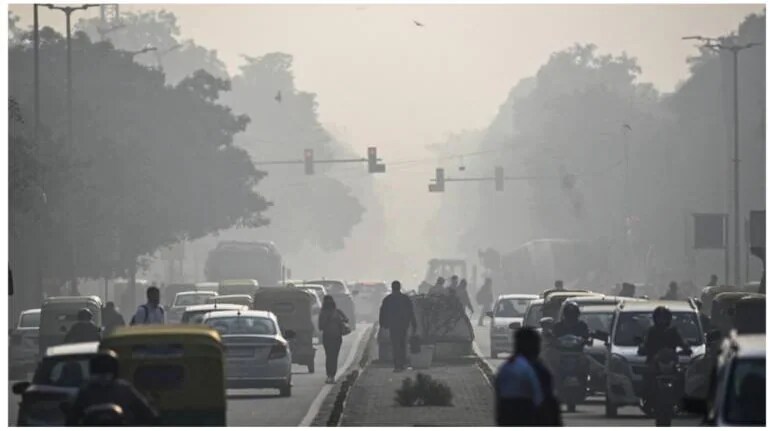
Ghaziabad’s traffic police have launched a major restructuring of their operations to tackle congestion, especially at busy border points. The new plan, which came into effect on Monday, divides the city into three traffic zones and nine sub-zones for better monitoring and faster response, The Times of India reported.
Earlier, the city had only one assistant commissioner of police (ACP) handling traffic. Now, each of the three new zones will be supervised by an ACP, allowing more focused attention. The number of traffic inspectors has been increased from six to nine, and sub-inspectors from 86 to 135. Overall, the total number of traffic personnel on the ground has risen from 565 to 710.
Officials said the move is aimed at improving vehicle flow on important routes and handling the heavy volume of cross-border traffic between Ghaziabad, Delhi, and Uttarakhand. “Given Ghaziabad’s strategic location, the city needs a traffic system that can manage intense movement all day,” TOI quoted Additional Commissioner of Police (Law and Order) Alok Priyadarshi as saying.
The Ghaziabad police commissionerate is also divided into three zones, city, trans-Hindon, and rural, each led by a deputy commissioner of police (DCP). Duty points have been increased from 181 to 216, with round-the-clock coverage at key congestion spots like Lal Kuan, Mohan Nagar, and Meerut trisection.
Stricter rules and safer roads
Authorities plan to cut accident numbers by half through better enforcement, greater police visibility, and improved infrastructure. Repeat traffic offenders will now face tougher action, including suspension of driving licences and vehicle registration certificates. E-rickshaws will be restricted to fixed routes and monitored through a central ID system.
On major highways such as the Delhi-Meerut Expressway and NH-9, reflective signboards will be installed at underpasses and exits, while iron railings will be placed between UP Gate and Dasna to prevent pedestrians from crossing unsafely. Cameras with Automatic Number Plate Recognition (ANPR) will detect wrong-side driving and automatically issue challans under the Integrated Traffic Management System (ITMS).
Currently, 41 city junctions are covered under the AI-enabled e-challan system, and another 41 will be added. The new locations include stretches from Hapur Tri-junction to Mohan Nagar, Mohan Nagar to Seemapuri border, Tulsi Niketan to Nag Dwar, Elevated Road to Hapur Chungi, and ALT to Meerut trisection. A central command centre will also be set up to monitor traffic across the city, according to the TOI report.
Additional safety features like better street lighting and rumble strips will be added where required. The police will also prepare a database of trauma centres, hospitals, and ambulance services, which will be available at the police control room for quick emergency response.
Learning from Noida’s modelOfficials said Ghaziabad’s traffic overhaul is similar to the system in Noida, where three ACPs manage traffic in different zones and a 500-strong team is deployed at nearly 200 locations. With more manpower, better technology, and stricter rules, the Ghaziabad traffic police aim to make travel safer and smoother for residents and commuters.
Discover the latest Business News, Sensex, and Nifty updates. Obtain Personal Finance insights, tax queries, and expert opinions on Moneycontrol or download the Moneycontrol App to stay updated!

Find the best of Al News in one place, specially curated for you every weekend.
Stay on top of the latest tech trends and biggest startup news.