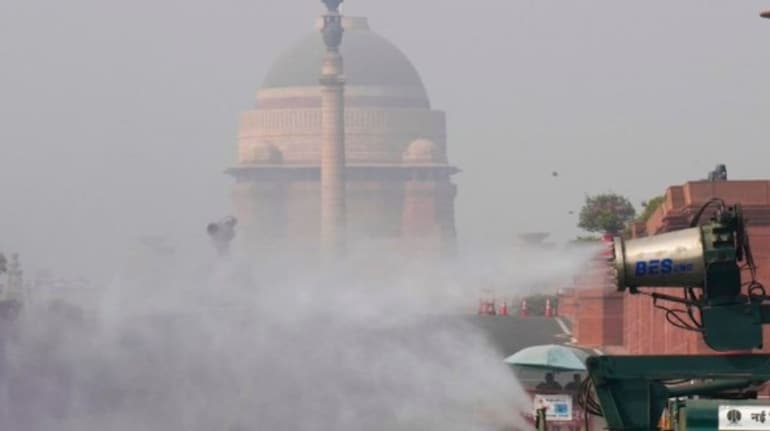
With the return of the annual toxic smog, Delhi’s debate over solutions has reignited, yet a stark reality check exposes critical flaws in the city’s primary defences. Reports indicate that high-profile measures such as cloud seeding, smog towers, the odd-even vehicle scheme and water sprinkling are beleaguered by systemic failures in implementation and scale.
According to a TOI report, for every proposed solution across the sectors of transport, dust management, waste disposal and industrial regulation, there exists a parallel story of logistical collapse, inadequate capacity or flawed enforcement. This cycle of underperformance leaves millions of residents facing a public health crisis with few truly effective remedies.
A failing public transport system
The struggle begins on the roads, where vehicular pollution remains a central battleground. The city’s fleet of 5,327 public buses falls drastically short of the 11,000 buses the Delhi government itself told the Supreme Court were required back in 2018. This inadequacy, particularly during peak hours, means that habitual private vehicle users have little incentive to switch.
Even newer initiatives show a troubling record. The launch of low-floor electric wire-routed CNG buses in early 2020 was marred by safety concerns, resulting in numerous casualties. Furthermore, the potential of metro and bus networks is undermined by a lack of last-mile connectivity. While e-rickshaws and app-based aggregators could fill this gap, their operation is often plagued by poor maintenance and reckless driving.
Ineffective traffic & dust management
Measures aimed at disincentivising car use, such as a congestion tax - successful in cities like London and Singapore - face criticism for potentially penalising low-income individuals. At the city's borders, the installation of RFID systems to collect green taxes has been implemented at only 13 entry points, with manual collections continuing to cause traffic jams.
Beyond traffic, the fight against dust pollution is equally fraught. Water sprinklers and smog guns offer only a fleeting reprieve, as settled dust quickly resurfaces. The management of construction and demolition (C&D) waste is a significant failure; Delhi produces a staggering 5,746 metric tonnes of debris daily, yet only 2,500 MT is sent to recycling plants.
Mechanised road sweeping, a more efficient method for removing fine particulate matter, is used by few agencies who have not assessed its true effectiveness.
The crisis of open burning and waste
The crisis is compounded by open burning. A primary cause is the lack of alternatives for low-income groups needing to keep warm, with no existing policy to provide heaters or discourage the practice.
The city’s waste management system is buckling under the strain, processing only a fraction of the 11,300 tonnes of garbage generated daily. The majority is sent to landfills at Bhalswa, Okhla and Ghazipur, where mixed garbage fuels frequent and massive fires.
The annual scourge of stubble burning, which affects Delhi's air for roughly 45 days each year, continues due to a lack of machinery for in-situ management and inadequate crop diversification. Similarly, a 100% door-to-door waste collection system, deemed essential for proper disposal, remains elusive because city agencies lack the logistics and coordination.
Lax industrial and power regulations
Industrial and power sector regulations are also failing to keep pace. While some industries in the National Capital Region (NCR) have switched to cleaner natural gas, there are no penalties for non-compliance and a random inspection process that hampers regulation.
Emission standards for power plants in NCR districts remain less stringent than those in Delhi, with numerous deadline extensions and relaxed norms further weakening controls.
A ban on coal and firewood in eateries is widely flouted and the sourcing of materials for green building norms remains difficult, stymying progress in sustainable construction.
Discover the latest Business News, Sensex, and Nifty updates. Obtain Personal Finance insights, tax queries, and expert opinions on Moneycontrol or download the Moneycontrol App to stay updated!
Find the best of Al News in one place, specially curated for you every weekend.
Stay on top of the latest tech trends and biggest startup news.