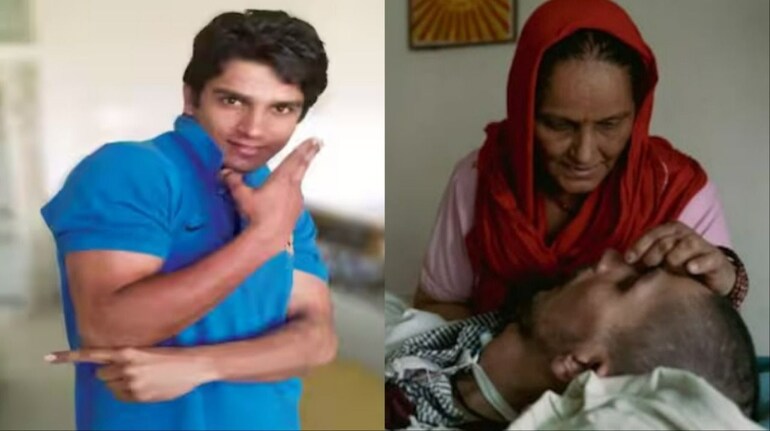

Thirty-two-year-old Harish Rana was shifted to the All India Institute of Medical Sciences (AIIMS) on Saturday, where a specialised medical team has begun the process for passive euthanasia. He is currently admitted to the palliative care unit at the Institute Rotary Cancer Hospital in AIIMS, The Times of India reported.
The development comes after the Supreme Court, on March 11, upheld Rana’s right to die with dignity. The court allowed doctors to withdraw clinically assisted nutrition and hydration, which had been sustaining him for years.
Rana has been in a vegetative state since 2013 after he suffered severe head injuries in a fall from the fourth floor of his paying guest accommodation. The accident left him with 100 percent quadriplegic disability. At the time, he was a student at Panjab University.
According to the TOI report, Rana will now be monitored by a team of palliative care specialists and other doctors at AIIMS. The team will follow established medical and legal protocols while carrying out the passive euthanasia process.
Passive euthanasia generally involves withholding or withdrawing life-support treatment in cases where patients have irreversible medical conditions and recovery is no longer possible. During this time, doctors focus on ensuring the patient receives adequate pain relief and supportive care.
According to medical experts, as quoted by TOI, when recovery is no longer possible, treatment shifts from curative care to palliative care. This form of care focuses on relieving symptoms and keeping the patient comfortable rather than prolonging life through artificial support.
Doctors also consider the patient’s physical, emotional and social needs, while regularly assessing their condition. Decisions are usually taken in consultation with the patient’s family, and the duration of this phase can vary from days to weeks, according to TOI, citing sources.
Dr Sushma Bhatnagar, former chief of AIIMS and professor of onco-anaesthesia and palliative medicine, explained that once doctors confirm that the condition is irreversible, the focus moves to comfort care.
She was quoted by TOI saying that life-support measures such as oxygen, artificial nutrition and other medical support may be slowly withdrawn to avoid distress to the patient.
The aim is not to prolong suffering but to ensure that the patient remains comfortable. The duration of this process can vary from patient to patient depending on their medical condition, she said.
Discover the latest Business News, Sensex, and Nifty updates. Obtain Personal Finance insights, tax queries, and expert opinions on Moneycontrol or download the Moneycontrol App to stay updated!





Find the best of Al News in one place, specially curated for you every weekend.
Stay on top of the latest tech trends and biggest startup news.