- My Alerts
- Go Ad-Free
-
My Account















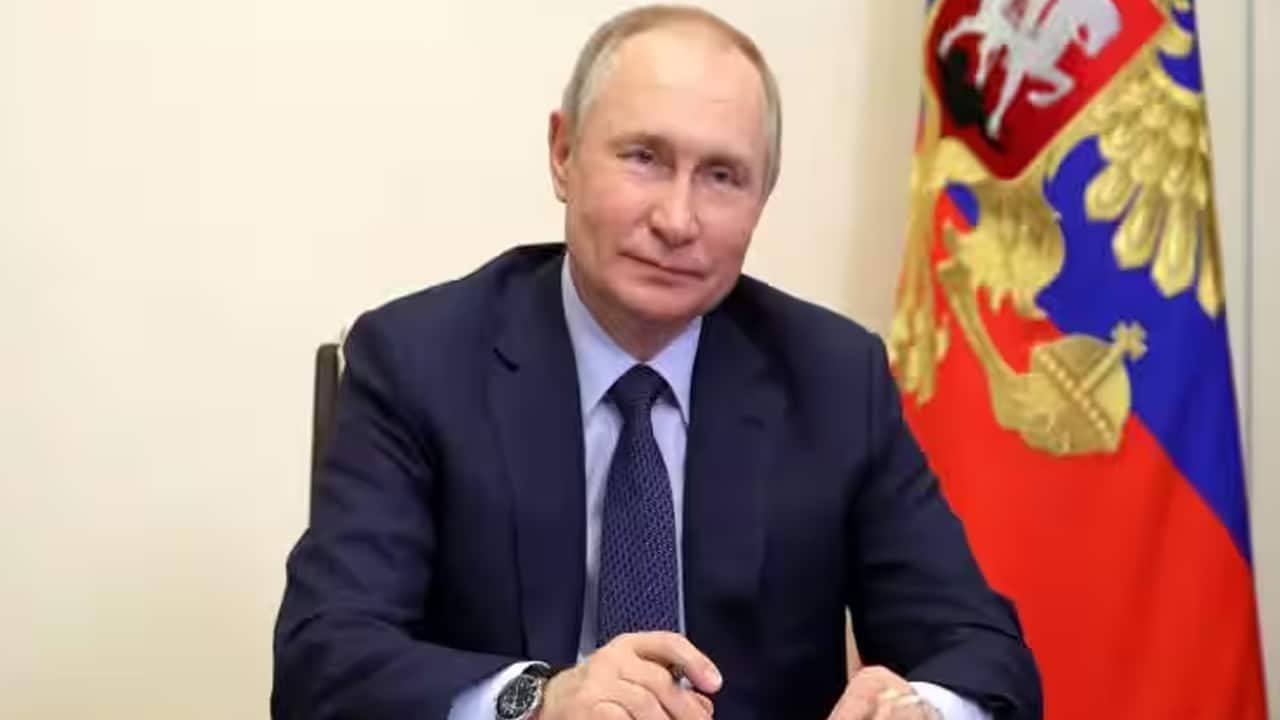
Vladimir Putin
Vladimir Vladimirovich Putin (born October 7, 1952) is a Russian politician and former intelligence officer who has served as the President of Russia since 2012, after previously holding the office
...Read more- Nuclear propulsion, unlimited range, global reach: Russia’s Burevestnik missile and why Putin calls it 'without equal in the world'
By confirming the test now, Putin has sent a message to both domestic and foreign audiences that Russia’s nuclear deterrent is evolving, and that the Kremlin will continue to expand its strategic capabilities despite global pressure.
- Russia’s oil business takes a hit from fight between top traders
The struggle between the rival traders spans operations in Dubai, Hong Kong and Singapore to lobbyists in Washington and the Moscow press.
- Russia’s glamorous secret agent returns: What Anna Chapman’s new role says about Putin’s espionage legacy
For Chapman, who has lived several lives as a socialite, spy, and media personality, the new appointment seems almost poetic. From deep-cover agent to curator of her country’s clandestine legacy, Anna Chapman has come full circle.
- Why Trump’s meeting with Putin fell apart and what it means for the Ukraine war
Days after hinting at a “quick peace deal,” President Trump backed off a planned summit with the Russian leader. Here’s what happened behind the scenes.
- Trump freezes second Putin summit plan: What went wrong and what it means for Ukraine war | Explained
The abrupt reversal reflected not just a breakdown in diplomatic momentum but also the deep, persistent gap between Washington and Moscow’s expectations.
- Why Trump’s meeting with Putin in Hungary is alarming Europe
European allies are uneasy as Trump chooses Budapest — led by Russia-friendly Viktor Orbán — for his next summit with Putin, raising fears of a diplomatic rift over Ukraine.
- Tomahawks for Ukraine, sanctions for Russia: Can Trump’s pressure tactics bring Putin to the table?
Trump has hinted at providing Kyiv with long-range Tomahawk cruise missiles, a move that would allow Ukrainian forces to strike deep inside Russian territory.
- Putin says Russia backed Trump's 'well known' Gaza deal 'from very beginning'
Putin described Trump’s proposal as one of his “well-known initiatives,” noting that the United States-led efforts would soon be carried out in reality.
- What Russia’s drone war means for civilians trapped in Kherson
From markets to ambulances, no target is off-limits as Moscow escalates its drone war on Ukraine’s south.
- Putin says Russia has captured nearly 5,000 square km in Ukraine in 2025
Russia's 2025 gains would amount to nearly 1% of Ukraine's land area, and the country controls nearly 20% in total.
- Secretive head of Russian newspaper mysteriously falls 70ft to his death: 'He knew a lot about...'
Vyacheslav Leontyev, 87, was seen as privy to Kremlin’s secret wealth; exiled journalist calls it a ‘strange death’. Russia has witnessed a spate of unexplained deaths among business leaders and influential figures since the war in Ukraine began.
- Putin says Tomahawk supply to Ukraine would destroy US relations
This will lead to the destruction of our relations, or at least the positive trends that have emerged in these relations, Putin said
- Putin orders govt to soften trade imbalance with India, praises Modi as 'balanced, wise' leader
Putin, who will travel to India in early December for an annual summit, lauded India's government led by PM Modi, calling him a 'balanced, wise,' and 'nationally oriented' leader
- India pursuing independent, sovereign policy under PM Modi: Vladimir Putin
During a meeting with members of the Russian Government, Putin disclosed details of the exchange and underlined the stability of Russian-Indian relation
- Export bans, rising prices: How Ukraine’s drone strikes have pushed Russia into its worst fuel shortage in years
The attacks, which have intensified through the summer, are creating cascading effects from empty gas stations and rationing across Russian regions to soaring wholesale prices and mounting pressure on the economy.
- Trump calls India and China ‘primary funders’ of Russia’s Ukraine war, criticises NATO over energy purchases
Trump said said he never received help from the United Nations while he ended "seven unendable wars" on his own, questioning the purpose of the intergovernmental organisation.
- Zelenskiy will meet Trump at UNGA to push on security guarantees
Ukraine’s potential post-war security issues have been widely discussed in recent weeks both in Washington and across European capitals, with the potential for a ceasefire seemingly at an impasse amid continued Russian bombardment of civilian targets across Ukraine.
- Ukraine claims overnight drone strikes on two Russian refineries
Russia hasn’t confirmed the latest incidents. Rosneft’s press service didn’t immediately respond to an emailed request for comment outside of regular business hours.
- Trump says Putin has ‘really let me down’ over Ukraine war, Starmer urges him to put 'extra pressure' on Moscow
Trump’s latest remarks follow comments earlier this week in which he said his patience with Putin was “running out fast,” though he did not announce new sanctions.
- Russia's most unprecedented war tactic? How Moscow is 'brainwashing' Ukrainian children in 200+ facilities | Explained
Ukraine has officially identified more than 19,500 children as unlawfully deported or forcefully taken by Russia since its full-scale invasion, but officials believe the true number is much higher.



