-
Longer Iran-Israel conflict would have threatened India’s growth; too soon to sound ‘all clear’: FinMin
The finance ministry’s monthly economic report highlighted that geopolitical tensions in the Middle East increased the landed cost of oil for Indian refiners
-

India to exercise ‘full flexibility’ to ensure no disruption in oil supply, pricing to decide imports
India will continue to prioritise oil prices on a landed basis while purchasing crude from international market, a government official said, assuring that the oil supply is unlikely to be disrupted despite escalation in the Middle East.
-
Alternatives to Strait of Hormuz may raise cost and time for shipment of goods: Govt source
-
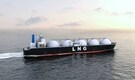
Half of India’s LNG imports come from Qatar and UAE, relying on Strait of Hormuz for supplies
India imports around 50 percent of its total natural gas requirement, out of which over 50 percent is supplied by two Gulf countries that ship LNG to India via the Strait of Hormuz route - Qatar and the UAE.
-
Crude Shock: 2 supertankers turn around from Strait of Hormuz amid fears of Iranian retaliation
Identified as South Loyalty and Coswisdom Lake, both the supertankers ‘abruptly’ changed their course, the Bloomberg report said.
-
Iran-Israel war raises shipping freight rates, logistics sector tracks fuel price impact
Shipping stocks like Shipping Corporation of India gained around 4 percent, Great Eastern Shipping gained around 2 percent while logistics stocks like CCI and Allcargo Gati were trading flat to 1 percent during early trade on June 23.
-
Rising oil prices could hurt the business of these sectors and stocks the most
While stocks and sectors across the board have come under selling pressure, certain sectors – oil marketing companies, aviation, paints, tyres, automobiles, chemicals, and fertilizers among others – are likely to see a higher impact due to a higher correlation with oil prices.
-
Chart of the Day | Strait of Hormuz at risk, what a blockade means for oil prices, the world economy
Iran’s move to potentially block the Strait of Hormuz—through which 20 percent of the world’s oil flows—has triggered global alarm. As tensions soar following US airstrikes, the stakes for global energy security and economic stability have never been higher
-
Strait of Hormuz Shutdown: US wants China to prevent Iran from closing critical trade route
US Secretary of Stat Rubio’s comments came after Iran’s foreign minister warned that Tehran “reserves all options to defend its sovereignty” following a US airstrike targeting three major Iranian nuclear facilities over the weekend.
-
Strait of Hormuz blockade, Iran-Israel war escalation to impact India's trade with West Asia: Experts
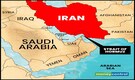
The Strait of Hormuz, which lies between Iran to the north and Oman and the United Arab Emirates to the south, serves as the main route for oil exports from Saudi Arabia, Iran, Iraq, Kuwait, and the UAE. Many liquefied natural gas (LNG) shipments, especially from Qatar, also pass through the strait.
-
Iran-Israel conflict: India asks shipping firms to keep a lookout for alternate routes
According to sources, specifically, Indian exports to Europe, US and to a certain extent to South America may get impacted if the flow of goods through the Strait of Hormuz is disrupted or if Iran implements its repeated threat of closing the route.
-
Iran-Israel war compels Indian refiners to increase June oil purchase from Russia, US to offset supply risks
New Delhi is set to import a total of 2.16 million barrels per day (bpd) of Russian oil in June - highest in last two years - preliminary data by global trade analytics firm Kpler showed, sharply higher than at 1.85 million bpd purchase in May.
-
Israel’s vaunted air shield tested as Iran rains down missiles
Netanyahu says Israel is in “an existential campaign” that aims to set back Iran’s nuclear program by years, if not forever.
-
Iran-Israel Conflict: Centre to meet shipping stakeholders to assess impact on trade
Nearly two-thirds of India's crude oil and half of the LNG imports pass through the Strait of Hormuz, a narrow waterway which could be at risk in the ongoing Israel-Iran war.
-
Iran-Israel conflict: No disruption to oil supply yet but OMCs face higher shipping costs
Amid rising Middle East tensions, the Indian refiners are currently witnessing 8-9 percent increase in shipping costs while there has been marginal impact on insurance rates, said an executive with an oil refinery on condition of anonymity.
-
Iran-Israel conflict: Why India's energy sector is worried about Strait of Hormuz closure threat
India is a net importer of crude oil, with over 40 percent of its supplies sourced from Middle East nations such as Iraq, Saudi Arabia, the United Arab Emirates, Kuwait and Qatar. These countries export crude oil and LNG to India through the Strait of Hormuz route.
-
European gas prices jump as middle east risk returns to market
A key concern is that hostilities could disrupt shipments through the Strait of Hormuz, an important waterway for liquefied natural gas and oil.
-
Iran-Israel conflict — What could be the worst-case scenario for the world and India?
At the moment, the likelihood of a blockade of the Strait of Hormuz is low. However, in the case of such an event, crude prices may spiral out of control and disrupt the world economy as it is a vital artery carrying about a fifth of the world's oil.
-
Iran-Israel conflict: Strait of Hormuz blockade could trigger Oil and LNG price surge, analysts warn
Motilal Oswal Financial Services suggested in a note that any complete or partial blockade of the Strait of Hormuz by Iran could trigger significant spikes in oil and LNG prices.
-
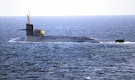
US nuclear submarine transits Strait of Hormuz amid tensions
The Ohio-class ballistic-missile submarine’s presence in Mideast waterways signals the U.S. Navy’s “commitment to regional partners and maritime security,” the Navy said, demonstrating its readiness “to defend against any threat at any time.”
-
How China’s influence will be visible from Hormuz to Malacca
The Asian power struggle is going to be a long-term agenda, with New Delhi potentially becoming a fulcrum point. Ṭhe Ladakh crisis has arguably re-designed its entire approach to China from here on
-
Factbox: Strait of Hormuz - the world's most important oil artery
The Strait of Hormuz, a vital shipping route linking Middle East oil producers to markets in Asia, Europe, North America and beyond, has been at the heart of regional tensions for decades.
-
Where is crude headed?
With constant tension in Iran and the Strait of Hormuz, there is a constant upward rise in the crude oil prices says Simon Wardell, senior oil analyst of IHS CERA. Though Japan and Korea have lessened their import of Iranian oil, it still weighs as a huge factor to affect the Asian growth and thus the global growth of the world in general.
-
Iran crisis could send crude soaring: Macquarie's Jal Irani
The increasing isolation of Iran on the global scene could send crude oil prices soaring, feels Jal Irani, managing director - oil & gas research, Macquarie Group.
-
Oil prices may rise on optimism over Greece debt deal
Benchmark crude oil prices will likely rise this week as risk appetite improves on optimism that Greece and private sector creditors are nearing a deal on a debt swap, CNBC`s weekly survey showed.