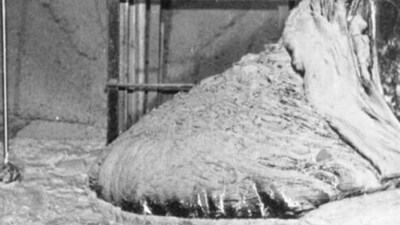
Scientists discovered the reason behind Elephant’s Foot, buried beneath Chernobyl Reactor 4 which was formed in 1986. It emitted deadly radiation and remains hazardous, warning of nuclear risks and long-term fallout.
The disposal of contaminated water at the Fukushima Daiichi plant has been a longstanding problem for Japan as it proceeds with an decades-long decommissioning project. Nearly 1.2 million tonnes of contaminated water are currently stored in huge tanks at the facility.
Three months after the triple whammy of an earthquake, tsunami and nuclear disaster rocked Japan's economy, some investors and analysts are beginning to sense it may be time to return.
Japanese officials said on Sunday they were committed to nuclear power after the prime minister called for a plant to close, but that the target of obtaining half of Japan's electricity from nuclear power by 2030 needed a rethink.
India will tighten safety systems at the proposed USD 10 billion nuclear plant in Jaitapur, potentially the world's largest, Environment Minister Jairam Ramesh said on Tuesday, after protests against the plan turned violent in recent weeks following last month's nuclear disaster in Japan.
Japan pumped nitrogen into a crippled nuclear reactor on Thursday, trying to prevent an explosive build-up of hydrogen gas, as the world's worst nuclear disaster in 25 years fired debate over the safety of atomic power in the United States.
The decision by G7 countries to intervene against the yen reflects growing concern that Japan's nuclear disaster and conflicts in Libya and the oil-rich Middle East could turn back the global economy at a time when recovery remains extremely fragile.
The whole thing about unforeseen events is that it is unforeseen. No one can really expect an earthquake of such high magnitude as Japan. Investors are sitting on potential large dips in portfolio values. What is the course of action to be followed now?
The Japan crisis is biggest setback the country has faced since the World War II. The world is looking for answers to what really are the challenges facing the Japanese economy? What does this catastrophe mean to Japan’s economic relations with the outside world?
Maria Sharapova's focus on the Indian Wells WTA tournament has been distracted as she keeps a close watch on Japan's struggles to recover from last week's devastating earthquake and tsunami.
A massive selloff on the Tokyo Stock Exchange wiped out some 23.5 trillion yen (USD 287 billion) from the market's value on Monday with investors dumping stocks as the country recoiled from a devastating earthquake and struggled to avert nuclear disaster.